
10 Nectar-Rich Plants That Bring Pollinators to Your Summer Garden

Bees, butterflies, hoverflies, and moths play a vital role in keeping gardens and ecosystems thriving. These hardworking pollinators help flowering plants, fruits, and vegetables reproduce, making them essential for biodiversity. If you want to welcome more wildlife into your outdoor space, choosing the right plants can make all the difference. Here are ten nectar-rich plants that provide a valuable food source for pollinators throughout summer and even into autumn.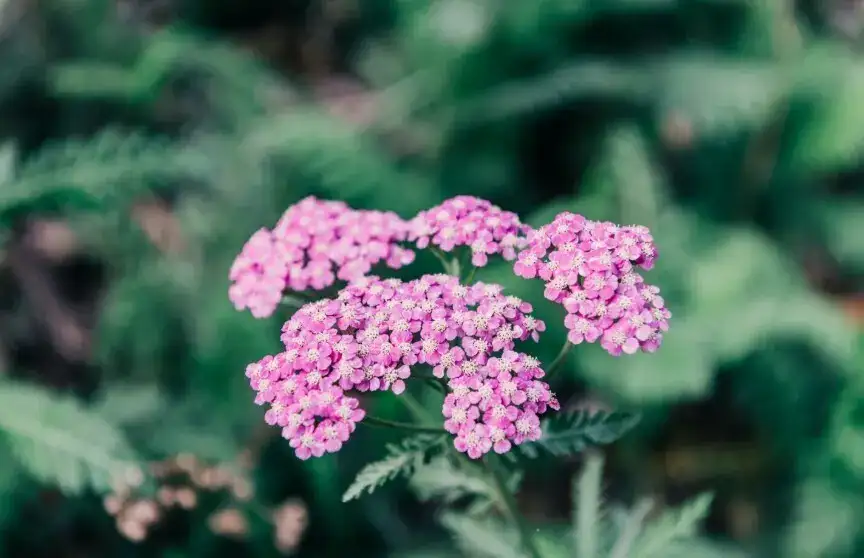
1. Coneflower Brings Color and Pollinators Together
Coneflower is a favorite among both gardeners and insects. Its large, open blooms make it easy for bees and butterflies to access nectar, while its long flowering season ensures a steady food supply. The vibrant pink-purple flowers also add a cheerful splash of color to any garden border.
2. Nepeta Keeps Bees Coming Back
Also known as catmint, nepeta is a reliable pollinator magnet. Covered in soft lavender-blue flowers, it blooms for months and attracts plenty of bees. This sun-loving plant works beautifully as a border filler and spreads well as ground cover, making it both practical and attractive.
3. Scabious Offers Easy Access to Nectar
Scabious is a standout choice for wildlife-friendly gardens. Its distinctive pincushion-shaped flowers are packed with nectar and easily accessible to bees, butterflies, and hoverflies. With a long blooming period and elegant appearance, it adds charm while supporting pollinators.
4. Foxglove Creates a Buzzing Garden
Known for its tall flower spikes, foxglove is a striking addition to any landscape. Its tubular blooms are particularly appealing to bumblebees, which can easily reach the nectar hidden inside. Beyond attracting insects, foxglove adds height and dramatic structure to flower beds.
5. Verbena Bonariensis Delivers Summer-Long Nectar
Verbena bonariensis features tall, graceful stems topped with clusters of purple flowers. These nectar-rich blooms attract bees, butterflies, and hoverflies throughout the warmer months. Its airy form blends effortlessly with other plants, creating a natural and relaxed garden look.
6. Plume Thistle Adds Beauty and Biodiversity
Plume thistle may not be as widely known, but it is a valuable resource for pollinators. Its deep red-purple flowers draw bees and butterflies in large numbers. Drought-tolerant and visually striking, it provides both resilience and color to garden borders.
7. Ice Plant Supports Late-Season Pollinators
As summer begins to fade, the ice plant steps into the spotlight. Large clusters of pink flowers become a favorite feeding stop for bees and butterflies. Its thick, succulent leaves help it thrive in dry conditions, making it ideal for low-maintenance gardens.
8. Asters Keep the Nectar Flowing
Asters bloom from late summer into early autumn, filling an important gap when many other flowers have finished. Their colorful blossoms provide much-needed nectar for bees, butterflies, and hoverflies as they prepare for the colder months ahead.
9. Honeysuckle Feeds Pollinators Day and Night
Honeysuckle does more than cover fences and pergolas with greenery. Its fragrant tubular flowers attract bees during the day and moths after sunset. This climbing plant also creates shelter for wildlife, making it a valuable addition to any nature-friendly garden.
10. Yarrow Thrives Almost Anywhere
Yarrow is one of the easiest plants to grow, adapting to a wide range of soil conditions. Its flat flower clusters provide a rich source of nectar for bees, butterflies, hoverflies, and beneficial predatory insects. Hardy and dependable, it is a great choice for gardeners of all experience levels.
Create a Garden That Gives Back
A garden filled with nectar-rich plants is more than just beautiful, it becomes a lifeline for pollinators. By planting a mix of these flowers, you can provide food from early summer through autumn while creating a vibrant outdoor space buzzing with life. Even a few of these pollinator-friendly plants can make a meaningful difference to local wildlife.
1. Coneflower Brings Color and Pollinators Together
Coneflower is a favorite among both gardeners and insects. Its large, open blooms make it easy for bees and butterflies to access nectar, while its long flowering season ensures a steady food supply. The vibrant pink-purple flowers also add a cheerful splash of color to any garden border. 2. Nepeta Keeps Bees Coming Back
Also known as catmint, nepeta is a reliable pollinator magnet. Covered in soft lavender-blue flowers, it blooms for months and attracts plenty of bees. This sun-loving plant works beautifully as a border filler and spreads well as ground cover, making it both practical and attractive.3. Scabious Offers Easy Access to Nectar
Scabious is a standout choice for wildlife-friendly gardens. Its distinctive pincushion-shaped flowers are packed with nectar and easily accessible to bees, butterflies, and hoverflies. With a long blooming period and elegant appearance, it adds charm while supporting pollinators. 4. Foxglove Creates a Buzzing Garden
Known for its tall flower spikes, foxglove is a striking addition to any landscape. Its tubular blooms are particularly appealing to bumblebees, which can easily reach the nectar hidden inside. Beyond attracting insects, foxglove adds height and dramatic structure to flower beds.5. Verbena Bonariensis Delivers Summer-Long Nectar
Verbena bonariensis features tall, graceful stems topped with clusters of purple flowers. These nectar-rich blooms attract bees, butterflies, and hoverflies throughout the warmer months. Its airy form blends effortlessly with other plants, creating a natural and relaxed garden look. 6. Plume Thistle Adds Beauty and Biodiversity
Plume thistle may not be as widely known, but it is a valuable resource for pollinators. Its deep red-purple flowers draw bees and butterflies in large numbers. Drought-tolerant and visually striking, it provides both resilience and color to garden borders. 7. Ice Plant Supports Late-Season Pollinators
As summer begins to fade, the ice plant steps into the spotlight. Large clusters of pink flowers become a favorite feeding stop for bees and butterflies. Its thick, succulent leaves help it thrive in dry conditions, making it ideal for low-maintenance gardens. 8. Asters Keep the Nectar Flowing
Asters bloom from late summer into early autumn, filling an important gap when many other flowers have finished. Their colorful blossoms provide much-needed nectar for bees, butterflies, and hoverflies as they prepare for the colder months ahead.9. Honeysuckle Feeds Pollinators Day and Night
Honeysuckle does more than cover fences and pergolas with greenery. Its fragrant tubular flowers attract bees during the day and moths after sunset. This climbing plant also creates shelter for wildlife, making it a valuable addition to any nature-friendly garden. 10. Yarrow Thrives Almost Anywhere
Yarrow is one of the easiest plants to grow, adapting to a wide range of soil conditions. Its flat flower clusters provide a rich source of nectar for bees, butterflies, hoverflies, and beneficial predatory insects. Hardy and dependable, it is a great choice for gardeners of all experience levels. Create a Garden That Gives Back
A garden filled with nectar-rich plants is more than just beautiful, it becomes a lifeline for pollinators. By planting a mix of these flowers, you can provide food from early summer through autumn while creating a vibrant outdoor space buzzing with life. Even a few of these pollinator-friendly plants can make a meaningful difference to local wildlife. Next Story