
Best Seasonal Fruits to Add to Your Diet Throughout the Year

Walk through any local fruit market and you'll notice that the freshest produce changes with the seasons. While supermarkets now stock many fruits throughout the year, seasonal fruits continue to offer distinct advantages. They are often fresher, tastier and more nutritious because they are harvested at their natural peak rather than being stored for long periods or transported across continents. Seasonal eating also supports local farmers and is usually kinder to your budget. From juicy mangoes in summer to vitamin C-rich oranges in winter, every season brings its own nutritional treasures that can help keep your diet varied, colourful and balanced.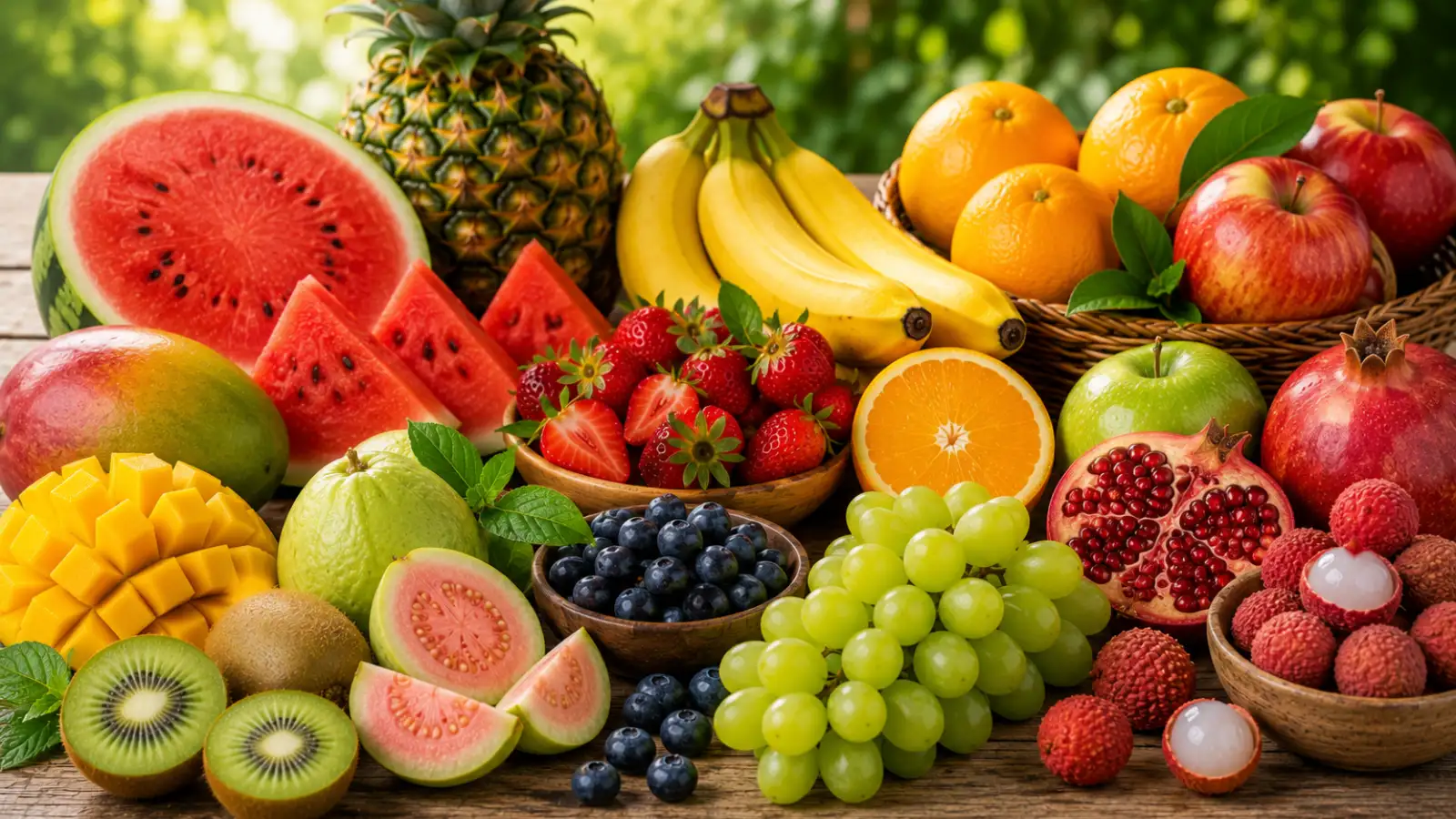
Eating a variety of seasonal fruits also increases dietary diversity, ensuring the body receives a broader range of vitamins, minerals and antioxidants throughout the year.
Mangoes, often called the "king of fruits", provide vitamins A and C along with beneficial plant compounds. Despite their sweetness, they can be part of a balanced diet when enjoyed in moderation.
Pomegranates are packed with antioxidants known as polyphenols, which have been widely studied for their potential role in supporting heart health and reducing inflammation.
Apples remain a favourite thanks to their fibre content, while strawberries contribute antioxidants and manganese alongside their refreshing flavour.
Buying seasonal fruits also tends to be more affordable because local supply is plentiful. This makes healthy eating easier for families while reducing the environmental impact associated with long-distance transport.
The best seasonal fruits to add to your diet are often the ones naturally growing around you at that time of year. From hydrating watermelon in summer to immune-supporting oranges in winter, every season offers unique nutritional benefits. Eating with the seasons is a simple habit that supports your health, benefits local agriculture and brings more variety to everyday meals. Sometimes, the freshest choice is also the smartest one.
Every Season Has Its Own Nutritional Star
Nature has a clever way of matching our nutritional needs with what's growing around us. During hot summer months, fruits with high water content help keep the body hydrated. In colder weather, citrus fruits rich in vitamin C become more abundant, supporting the immune system when seasonal illnesses are more common.Eating a variety of seasonal fruits also increases dietary diversity, ensuring the body receives a broader range of vitamins, minerals and antioxidants throughout the year.
Summer Fruits Bring Refreshment and Energy
Summer is known for fruits such as mangoes, watermelon, lychees, muskmelon and peaches. Watermelon contains over 90 per cent water, making it one of the best fruits for staying hydrated during warm weather.Mangoes, often called the "king of fruits", provide vitamins A and C along with beneficial plant compounds. Despite their sweetness, they can be part of a balanced diet when enjoyed in moderation.
You may also like
- Sussanne Khan joins TOI Home & Decor Awards panel; recognized for driving innovation in Indian interior design
- Manushi Chhillar and Shankar Mahadevan to Lead Commonwealth Games 2026 Handover Ceremony
- Which registrations are required to open a restaurant? What is the complete process?
- Business Idea: Start this business during the month of Sawan with an investment of just ₹30,000 and earn throughout the season..
- Looking exactly like deep red human lips, blooming only for a short time: Meet the rare rainforest flower 'Hooker's Lips' that fools almost everyone
Monsoon and Autumn Offer Colourful Choices
The rainy season brings fruits such as jamun, pears and plums, while early autumn introduces guavas and pomegranates. Guava is particularly impressive, containing even more vitamin C than many citrus fruits.Pomegranates are packed with antioxidants known as polyphenols, which have been widely studied for their potential role in supporting heart health and reducing inflammation.
Winter Fruits Strengthen the Immune System
Winter markets are filled with oranges, sweet lime, grapefruit, apples and strawberries. Citrus fruits provide generous amounts of vitamin C, helping support normal immune function during the colder months.Apples remain a favourite thanks to their fibre content, while strawberries contribute antioxidants and manganese alongside their refreshing flavour.
Why Seasonal Eating Makes Sense Today
Modern food systems make almost every fruit available all year, but seasonal produce often travels shorter distances and spends less time in storage. As a result, it usually tastes fresher and may retain more nutrients.Buying seasonal fruits also tends to be more affordable because local supply is plentiful. This makes healthy eating easier for families while reducing the environmental impact associated with long-distance transport.
The best seasonal fruits to add to your diet are often the ones naturally growing around you at that time of year. From hydrating watermelon in summer to immune-supporting oranges in winter, every season offers unique nutritional benefits. Eating with the seasons is a simple habit that supports your health, benefits local agriculture and brings more variety to everyday meals. Sometimes, the freshest choice is also the smartest one.






Loving Newspoint? Download the app now
