
Common Vegetable Storage Mistakes You Should Avoid

Fresh vegetables can lose their taste, texture, and nutrients quickly if they are not stored properly. Many people unknowingly keep all vegetables in the refrigerator, while others leave everything on the kitchen counter. The right storage method depends on the type of vegetable. Here are some smart and simple ways to keep your vegetables fresh for longer and reduce food waste.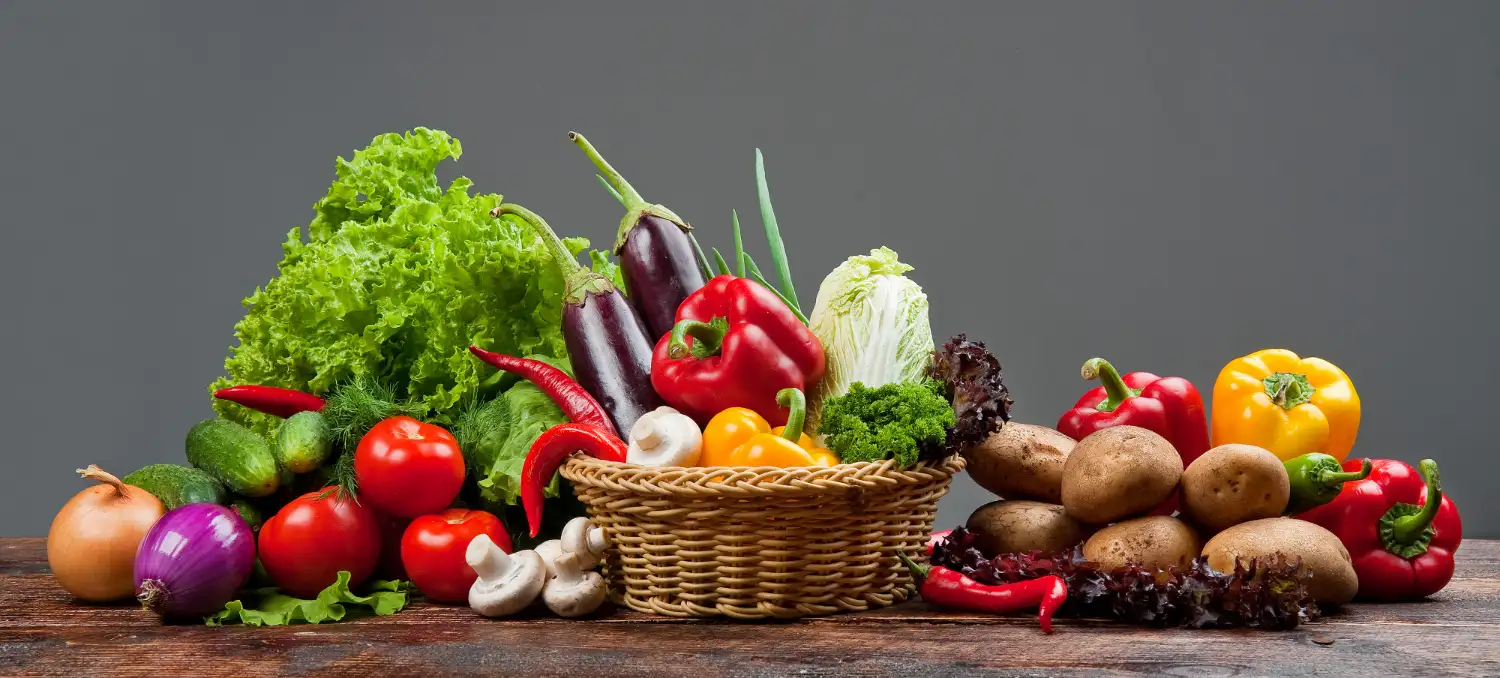
Keep Leafy Greens Dry
Leafy vegetables like spinach, coriander, lettuce, and fenugreek spoil quickly because of excess moisture. Wash them only before use, or if washed in advance, dry them thoroughly. Store them in a container or zip-lock bag lined with a paper towel to absorb moisture and help them stay fresh.
Store Potatoes and Onions Separately
Potatoes and onions should never be stored together. Onions release gases that can make potatoes sprout and spoil faster. Keep them in separate baskets in a cool, dark, and well-ventilated place. Avoid storing them inside sealed plastic bags.
Refrigerate the Right Vegetables
Vegetables such as carrots, broccoli, cauliflower, beans, peas, bell peppers, and cabbage stay fresh longer in the refrigerator. Use the vegetable drawer whenever possible, as it helps maintain the right humidity for fresh produce.
Don't Wash Everything Immediately
While it may seem convenient to wash vegetables as soon as you bring them home, excess moisture encourages mold and decay. Store most vegetables unwashed and rinse them only before cooking. This simple habit can significantly extend their shelf life.
Keep Leafy Greens Dry
Leafy vegetables like spinach, coriander, lettuce, and fenugreek spoil quickly because of excess moisture. Wash them only before use, or if washed in advance, dry them thoroughly. Store them in a container or zip-lock bag lined with a paper towel to absorb moisture and help them stay fresh. Store Potatoes and Onions Separately
Potatoes and onions should never be stored together. Onions release gases that can make potatoes sprout and spoil faster. Keep them in separate baskets in a cool, dark, and well-ventilated place. Avoid storing them inside sealed plastic bags.Refrigerate the Right Vegetables
Vegetables such as carrots, broccoli, cauliflower, beans, peas, bell peppers, and cabbage stay fresh longer in the refrigerator. Use the vegetable drawer whenever possible, as it helps maintain the right humidity for fresh produce. Don't Wash Everything Immediately
While it may seem convenient to wash vegetables as soon as you bring them home, excess moisture encourages mold and decay. Store most vegetables unwashed and rinse them only before cooking. This simple habit can significantly extend their shelf life.Next Story