
Whole Banana or Banana Smoothie: What Should You Choose?

Bananas are one of the most convenient and nutrient-rich fruits available. Whether eaten whole or blended into a smoothie, they offer energy, fiber, and essential nutrients. But the question often arises, does eating a banana directly provide more benefits, or is a banana smoothie the better option?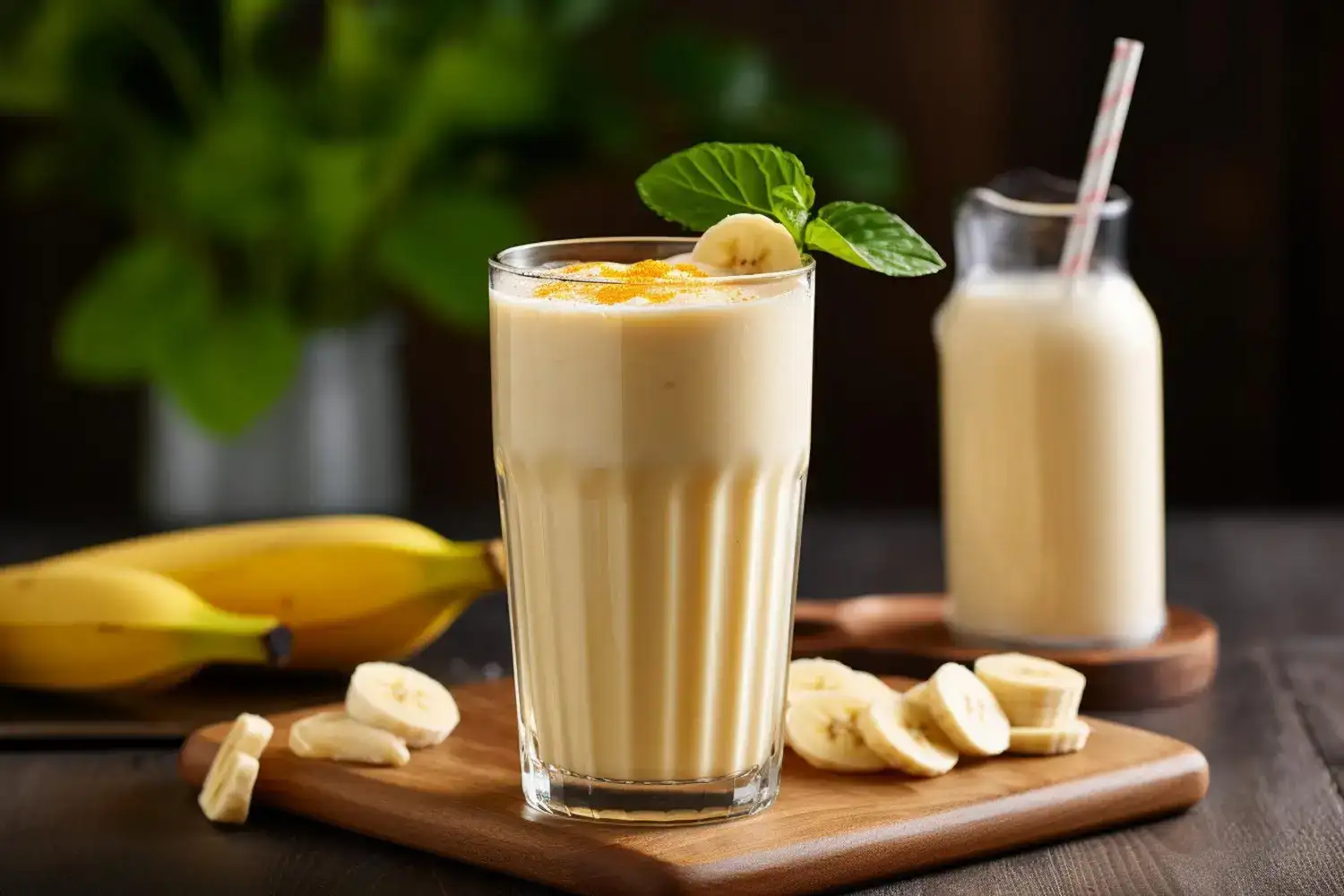
Let’s break it down in a simple way.
1. Nutritional Value: Almost the Same Base
A plain banana already contains potassium, vitamin B6, vitamin C, and dietary fiber. When you turn it into a smoothie, the core nutrients remain the same.
However, the difference comes not from the banana itself, but from how your body processes it in each form.
2. Eating Whole Banana: Better for Digestion Control
Eating a whole banana means you are getting all its natural fiber intact. This slows down sugar absorption and helps maintain steady energy levels.
Benefits of eating whole banana:
3. Banana Smoothie: Faster Energy, But Easy to Overconsume
A banana smoothie is quick to digest because blending breaks down fiber structure. This makes nutrients easier to absorb, but also leads to faster sugar release into the bloodstream.
Benefits of banana smoothie:
Downside:
Less satiety compared to whole fruit
Easy to add extra sugar or calorie-rich ingredients
May spike blood sugar faster
4. Satiety Factor: Whole Fruit Wins
When you chew a banana, your brain receives stronger signals of fullness. Smoothies, however, don’t require chewing, so you may end up consuming more calories without realizing it.
This makes whole bananas more effective for appetite control.
5. Best Time to Choose Each Option
Whole banana: Mid-morning snack, weight management, or daily routine fruit intake
Banana smoothie: Pre-workout fuel, breakfast rush, or post-workout recovery drink
6. Which Is Better?
There is no absolute winner, both are healthy. But their benefits differ:
Choose a whole banana if your goal is better digestion, fullness, and weight control.
Choose a banana smoothie if you need quick energy or a convenient nutrient boost.
The healthiest approach is to include both in moderation, depending on your lifestyle and needs.
Let’s break it down in a simple way.
1. Nutritional Value: Almost the Same Base
A plain banana already contains potassium, vitamin B6, vitamin C, and dietary fiber. When you turn it into a smoothie, the core nutrients remain the same.However, the difference comes not from the banana itself, but from how your body processes it in each form.
2. Eating Whole Banana: Better for Digestion Control
Eating a whole banana means you are getting all its natural fiber intact. This slows down sugar absorption and helps maintain steady energy levels.You may also like
- Psychology says people who travel solo at least once a year share these 8 personality traits — and they are not what you would expect
- How Hyderabad's favourite dish changed this Japanese chef's life
- What's the difference between ECR and ECNR on an Indian passport, and who needs it?
- FIFA World Cup 2026: From the goose-bump inducing Viking clap to Mexico “adopting” South Korea, football has always been about the people in the stands. The fans.
- Boden swimsuit is 'really flattering especially around the belly' - now 30% cheaper
Benefits of eating whole banana:
- Keeps you full for longer
- Supports better gut health
- Helps regulate blood sugar spikes
- Slower digestion, more stable energy release
3. Banana Smoothie: Faster Energy, But Easy to Overconsume
A banana smoothie is quick to digest because blending breaks down fiber structure. This makes nutrients easier to absorb, but also leads to faster sugar release into the bloodstream. Benefits of banana smoothie:
- Quick energy boost (ideal before workouts)
- Easier digestion for those with chewing or appetite issues
- Can be enriched with milk, nuts, or seeds for extra nutrition
Downside:
Less satiety compared to whole fruit
Easy to add extra sugar or calorie-rich ingredients
May spike blood sugar faster
4. Satiety Factor: Whole Fruit Wins
When you chew a banana, your brain receives stronger signals of fullness. Smoothies, however, don’t require chewing, so you may end up consuming more calories without realizing it.This makes whole bananas more effective for appetite control.
5. Best Time to Choose Each Option
Whole banana: Mid-morning snack, weight management, or daily routine fruit intake Banana smoothie: Pre-workout fuel, breakfast rush, or post-workout recovery drink
6. Which Is Better?
There is no absolute winner, both are healthy. But their benefits differ: Choose a whole banana if your goal is better digestion, fullness, and weight control.
Choose a banana smoothie if you need quick energy or a convenient nutrient boost.
The healthiest approach is to include both in moderation, depending on your lifestyle and needs.






More from our partners


Loving Newspoint? Download the app now
