
Healthy Ways to Add More Protein to Your Daily Diet

Protein is one of the most important nutrients for maintaining overall health. It helps build and repair muscles, supports the immune system, keeps you feeling full for longer, and plays a key role in producing enzymes and hormones. While many people associate protein only with meat, there are plenty of healthy ways to include more of it in your daily meals. Here are some simple and effective strategies to boost your protein intake.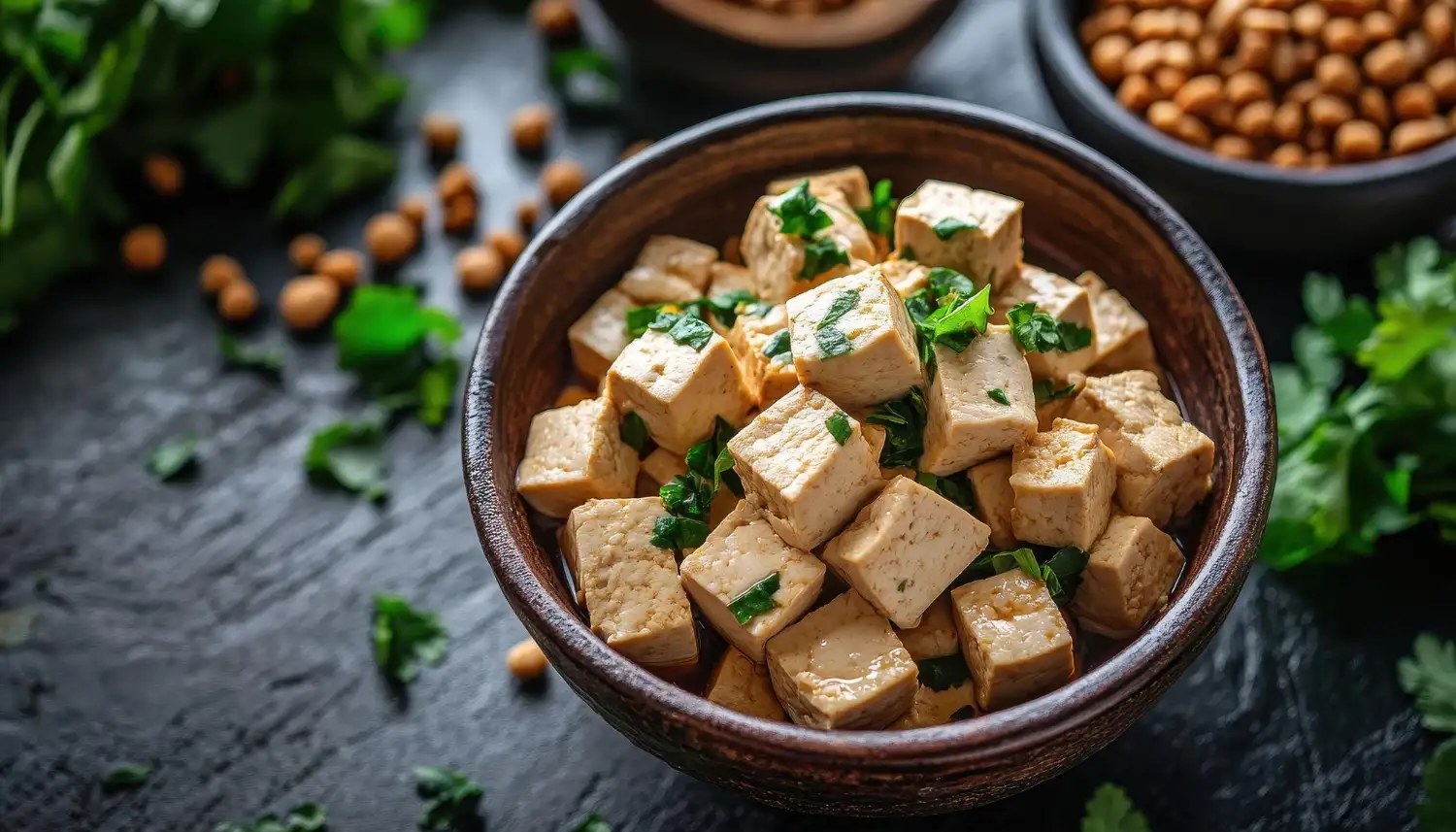
Start Your Day with a Protein-Rich Breakfast
A balanced breakfast sets the tone for the day. Instead of relying on sugary cereals or plain toast, choose protein-rich options like eggs, Greek yogurt, cottage cheese, or oatmeal topped with nuts and seeds. A protein-packed breakfast can help control hunger and provide lasting energy throughout the morning.
Add Legumes to Everyday Meals
Beans, lentils, chickpeas, and peas are excellent sources of plant-based protein. They are also rich in fiber, vitamins, and minerals. Toss them into soups, salads, curries, or rice dishes to make meals more filling and nutritious without adding excessive calories.
Choose Lean Protein Sources
Opt for lean protein foods such as skinless chicken, turkey, fish, tofu, and low-fat dairy products. These provide high-quality protein while keeping saturated fat intake in check. Including lean protein in lunch and dinner helps support muscle health and balanced nutrition.
Snack on Protein Instead of Processed Foods
Replace chips and sugary snacks with healthier protein-rich alternatives. Roasted chickpeas, mixed nuts, boiled eggs, cheese cubes, or unsweetened Greek yogurt make satisfying snacks that help reduce cravings and keep you energized between meals.
Include Nuts and Seeds Daily
Almonds, walnuts, pistachios, chia seeds, flaxseeds, pumpkin seeds, and sunflower seeds are easy ways to increase protein intake . Sprinkle them over salads, yogurt, smoothies, or breakfast bowls for added nutrition, healthy fats, and a satisfying crunch.
Make Dairy Work for You
Milk, yogurt, paneer, and cheese are excellent protein sources that fit easily into everyday meals. Choose low-fat or plain varieties whenever possible to limit added sugar and saturated fat. These foods also provide calcium, making them beneficial for bone health.
Add Protein to Smoothies
Smoothies don't have to be loaded with fruit alone. Blend milk or yogurt with nut butter, seeds, oats, or silken tofu to create a protein-rich drink. This is a great option after workouts or as a quick breakfast on busy mornings.
Balance Every Meal
Aim to include a source of protein in every meal rather than consuming most of it at dinner. Pair whole grains with legumes, vegetables with lean meats, or dairy with fruits. A balanced plate helps maintain steady energy levels and supports muscle repair throughout the day.
Try Protein-Rich Whole Grains
Not all grains are equal when it comes to protein. Quinoa, oats, buckwheat, and whole wheat contain more protein than refined grains. Swapping white rice or refined flour products for these wholesome alternatives can gradually increase your daily protein intake.
Don't Forget Plant-Based Alternatives
Plant-based proteins such as tofu, tempeh, edamame, and soy milk are nutritious options for vegetarians and anyone looking to reduce meat consumption. They provide essential amino acids while adding variety to your meals and supporting a balanced diet.
Increasing your protein intake doesn't require a complete diet overhaul. Small changes like choosing protein-rich breakfasts, adding legumes to meals, snacking wisely, and balancing every plate can make a significant difference. Focus on a variety of healthy protein sources from both animal and plant foods to support overall wellness while enjoying flavorful and satisfying meals.
Start Your Day with a Protein-Rich Breakfast
A balanced breakfast sets the tone for the day. Instead of relying on sugary cereals or plain toast, choose protein-rich options like eggs, Greek yogurt, cottage cheese, or oatmeal topped with nuts and seeds. A protein-packed breakfast can help control hunger and provide lasting energy throughout the morning. Add Legumes to Everyday Meals
Beans, lentils, chickpeas, and peas are excellent sources of plant-based protein. They are also rich in fiber, vitamins, and minerals. Toss them into soups, salads, curries, or rice dishes to make meals more filling and nutritious without adding excessive calories.Choose Lean Protein Sources
Opt for lean protein foods such as skinless chicken, turkey, fish, tofu, and low-fat dairy products. These provide high-quality protein while keeping saturated fat intake in check. Including lean protein in lunch and dinner helps support muscle health and balanced nutrition. Snack on Protein Instead of Processed Foods
Replace chips and sugary snacks with healthier protein-rich alternatives. Roasted chickpeas, mixed nuts, boiled eggs, cheese cubes, or unsweetened Greek yogurt make satisfying snacks that help reduce cravings and keep you energized between meals.You may also like
- No paper leaks, please! Gen Z activism in spotlight at SPPU
- “Russian proverb of the day: There is no shame in not knowing; the shame lies in…”
- Harry Potter: The boy who taught a generation to read again
- Simiran Kaur Dhadli Unveils Empowering Breakup Anthem 'Haal Mittra'
- Katrina Kaif Swears by Her Mother-in-Law's Famous DIY Hair Oil for Healthy, Shiny Hair
Include Nuts and Seeds Daily
Almonds, walnuts, pistachios, chia seeds, flaxseeds, pumpkin seeds, and sunflower seeds are easy ways to increase protein intake . Sprinkle them over salads, yogurt, smoothies, or breakfast bowls for added nutrition, healthy fats, and a satisfying crunch. Make Dairy Work for You
Milk, yogurt, paneer, and cheese are excellent protein sources that fit easily into everyday meals. Choose low-fat or plain varieties whenever possible to limit added sugar and saturated fat. These foods also provide calcium, making them beneficial for bone health. Add Protein to Smoothies
Smoothies don't have to be loaded with fruit alone. Blend milk or yogurt with nut butter, seeds, oats, or silken tofu to create a protein-rich drink. This is a great option after workouts or as a quick breakfast on busy mornings. Balance Every Meal
Aim to include a source of protein in every meal rather than consuming most of it at dinner. Pair whole grains with legumes, vegetables with lean meats, or dairy with fruits. A balanced plate helps maintain steady energy levels and supports muscle repair throughout the day.Try Protein-Rich Whole Grains
Not all grains are equal when it comes to protein. Quinoa, oats, buckwheat, and whole wheat contain more protein than refined grains. Swapping white rice or refined flour products for these wholesome alternatives can gradually increase your daily protein intake. Don't Forget Plant-Based Alternatives
Plant-based proteins such as tofu, tempeh, edamame, and soy milk are nutritious options for vegetarians and anyone looking to reduce meat consumption. They provide essential amino acids while adding variety to your meals and supporting a balanced diet. Increasing your protein intake doesn't require a complete diet overhaul. Small changes like choosing protein-rich breakfasts, adding legumes to meals, snacking wisely, and balancing every plate can make a significant difference. Focus on a variety of healthy protein sources from both animal and plant foods to support overall wellness while enjoying flavorful and satisfying meals.






More from our partners


Loving Newspoint? Download the app now
