
Best Ways to Use Leftover Vegetables Instead of Throwing Them Away

Leftover vegetables don't have to end up in the trash. Whether they're raw, cooked, roasted, or steamed, they can easily be transformed into fresh, delicious meals with a little creativity. Reusing leftovers not only helps reduce food waste but also saves time and money while adding more nutrition to your daily diet. Here are some of the best ways to make the most of leftover vegetables.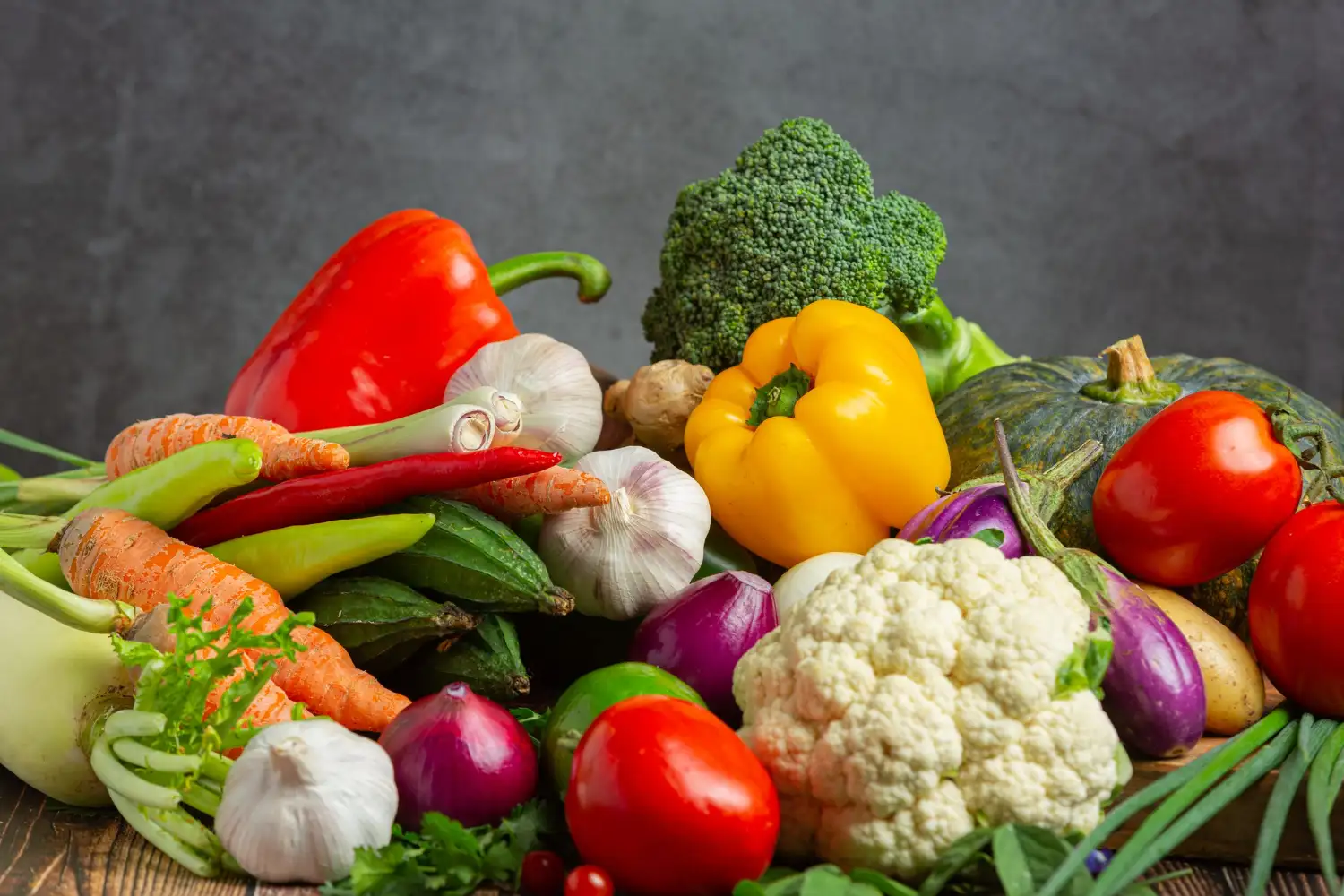
Turn Them into a Flavorful Soup
Leftover vegetables are perfect for homemade soup. Blend cooked vegetables with vegetable stock for a creamy soup, or simmer chopped vegetables with herbs and spices for a chunky version. You can also add lentils, beans, or pasta to make the soup more filling.
Add Them to Fried Rice
Fried rice is one of the easiest ways to use leftover vegetables. Toss chopped vegetables with cooked rice, garlic, onions, and your favorite seasonings. Add eggs, tofu, or paneer for extra protein and enjoy a quick meal packed with flavor.
Make Stuffed Parathas
Mash leftover cooked vegetables like potatoes, cauliflower, peas, or mixed vegetables with spices and use them as a filling for parathas. It's an excellent way to create a hearty breakfast or lunch while preventing food waste.
Prepare a Vegetable Omelette or Scramble
Finely chop leftover vegetables and mix them into an omelette or scrambled eggs. Vegetables such as spinach, mushrooms, bell peppers, onions, and tomatoes work especially well and add color, texture, and nutrients.
Toss Them into Pasta
Cooked vegetables can easily be added to pasta dishes. Mix them with tomato-based or creamy sauces, fresh herbs, and your favorite pasta. Roasted vegetables also pair well with whole wheat or regular pasta for a satisfying meal.
Blend into Smooth Sauces
Soft cooked vegetables like carrots, tomatoes, pumpkin, or roasted peppers can be blended into smooth sauces. These vegetable-rich sauces can be used for pasta, grain bowls, casseroles, or as a base for other recipes.
Make Homemade Vegetable Cutlets
Mash leftover vegetables with boiled potatoes or sweet potatoes, breadcrumbs, herbs, and spices. Shape them into patties and cook until golden. These cutlets make excellent snacks or sandwich fillings.
Use Them in Sandwiches and Wraps
Layer leftover vegetables inside sandwiches, wraps, or rolls with hummus, yogurt-based spreads, cheese, or grilled paneer. This creates a quick, balanced meal without requiring much extra preparation.
Add Them to Salads and Grain Bowls
Roasted or steamed vegetables can be mixed into salads or grain bowls with quinoa, brown rice, millet, or couscous. Add nuts, seeds, beans, or a simple dressing for a complete and nutritious meal.
Freeze Them for Future Cooking
If you cannot use leftover vegetables immediately, store them safely in airtight containers and freeze them if appropriate for the type of vegetable and how it was cooked. Frozen leftovers can later be added to soups, curries, casseroles, or stir-fries, helping reduce food waste while making future meals more convenient.
Leftover vegetables offer endless possibilities beyond reheating the same meal. With a little planning, they can become soups, wraps, pasta dishes, cutlets, or wholesome breakfasts. Proper storage and timely reuse not only help reduce food waste but also make everyday cooking easier, more economical, and environmentally friendly.
Turn Them into a Flavorful Soup
Leftover vegetables are perfect for homemade soup. Blend cooked vegetables with vegetable stock for a creamy soup, or simmer chopped vegetables with herbs and spices for a chunky version. You can also add lentils, beans, or pasta to make the soup more filling. Add Them to Fried Rice
Fried rice is one of the easiest ways to use leftover vegetables. Toss chopped vegetables with cooked rice, garlic, onions, and your favorite seasonings. Add eggs, tofu, or paneer for extra protein and enjoy a quick meal packed with flavor.Make Stuffed Parathas
Mash leftover cooked vegetables like potatoes, cauliflower, peas, or mixed vegetables with spices and use them as a filling for parathas. It's an excellent way to create a hearty breakfast or lunch while preventing food waste. Prepare a Vegetable Omelette or Scramble
Finely chop leftover vegetables and mix them into an omelette or scrambled eggs. Vegetables such as spinach, mushrooms, bell peppers, onions, and tomatoes work especially well and add color, texture, and nutrients.You may also like
- Meet Indra Nooyi: IIM Calcutta alumnus who turned PepsiCo. into a global giant and became the first woman of colour to head a Fortune 500 company
- PF money to be released in 3 days; auto-settlement for claims up to ₹5 lakh; 12% interest payable in case of delay..
- 8th Pay Commission: Even with this minimum formula of the 8th Pay Commission, the salary will jump directly from ₹18,000 to ₹33,000..
- Is it better to contribute more than ₹1,800 to EPF, or are VPF, PPF, NPS, and Mutual Fund SIPs better options? Find out here..
- ITR 2026: Want the maximum refund on your income tax return? Follow these 5 excellent tips when filing your ITR..
Toss Them into Pasta
Cooked vegetables can easily be added to pasta dishes. Mix them with tomato-based or creamy sauces, fresh herbs, and your favorite pasta. Roasted vegetables also pair well with whole wheat or regular pasta for a satisfying meal. Blend into Smooth Sauces
Soft cooked vegetables like carrots, tomatoes, pumpkin, or roasted peppers can be blended into smooth sauces. These vegetable-rich sauces can be used for pasta, grain bowls, casseroles, or as a base for other recipes. Make Homemade Vegetable Cutlets
Mash leftover vegetables with boiled potatoes or sweet potatoes, breadcrumbs, herbs, and spices. Shape them into patties and cook until golden. These cutlets make excellent snacks or sandwich fillings. Use Them in Sandwiches and Wraps
Layer leftover vegetables inside sandwiches, wraps, or rolls with hummus, yogurt-based spreads, cheese, or grilled paneer. This creates a quick, balanced meal without requiring much extra preparation.Add Them to Salads and Grain Bowls
Roasted or steamed vegetables can be mixed into salads or grain bowls with quinoa, brown rice, millet, or couscous. Add nuts, seeds, beans, or a simple dressing for a complete and nutritious meal. Freeze Them for Future Cooking
If you cannot use leftover vegetables immediately, store them safely in airtight containers and freeze them if appropriate for the type of vegetable and how it was cooked. Frozen leftovers can later be added to soups, curries, casseroles, or stir-fries, helping reduce food waste while making future meals more convenient. Leftover vegetables offer endless possibilities beyond reheating the same meal. With a little planning, they can become soups, wraps, pasta dishes, cutlets, or wholesome breakfasts. Proper storage and timely reuse not only help reduce food waste but also make everyday cooking easier, more economical, and environmentally friendly.






More from our partners


Loving Newspoint? Download the app now
