
Common Foods That Contain Hidden Sugar You Should Watch Out For

When people think about sugar, they often picture chocolates, cakes, biscuits or fizzy drinks. However, some of the biggest sources of sugar are foods that do not taste particularly sweet at all. From breakfast cereals and flavoured yoghurt to pasta sauces and packaged bread, hidden sugar can be found in many everyday products. While a small amount of sugar is perfectly acceptable as part of a balanced diet, consuming more than recommended over time may contribute to weight gain, tooth decay and an increased risk of certain health conditions. Learning where hidden sugar is found can help you make more informed food choices without giving up the meals you enjoy.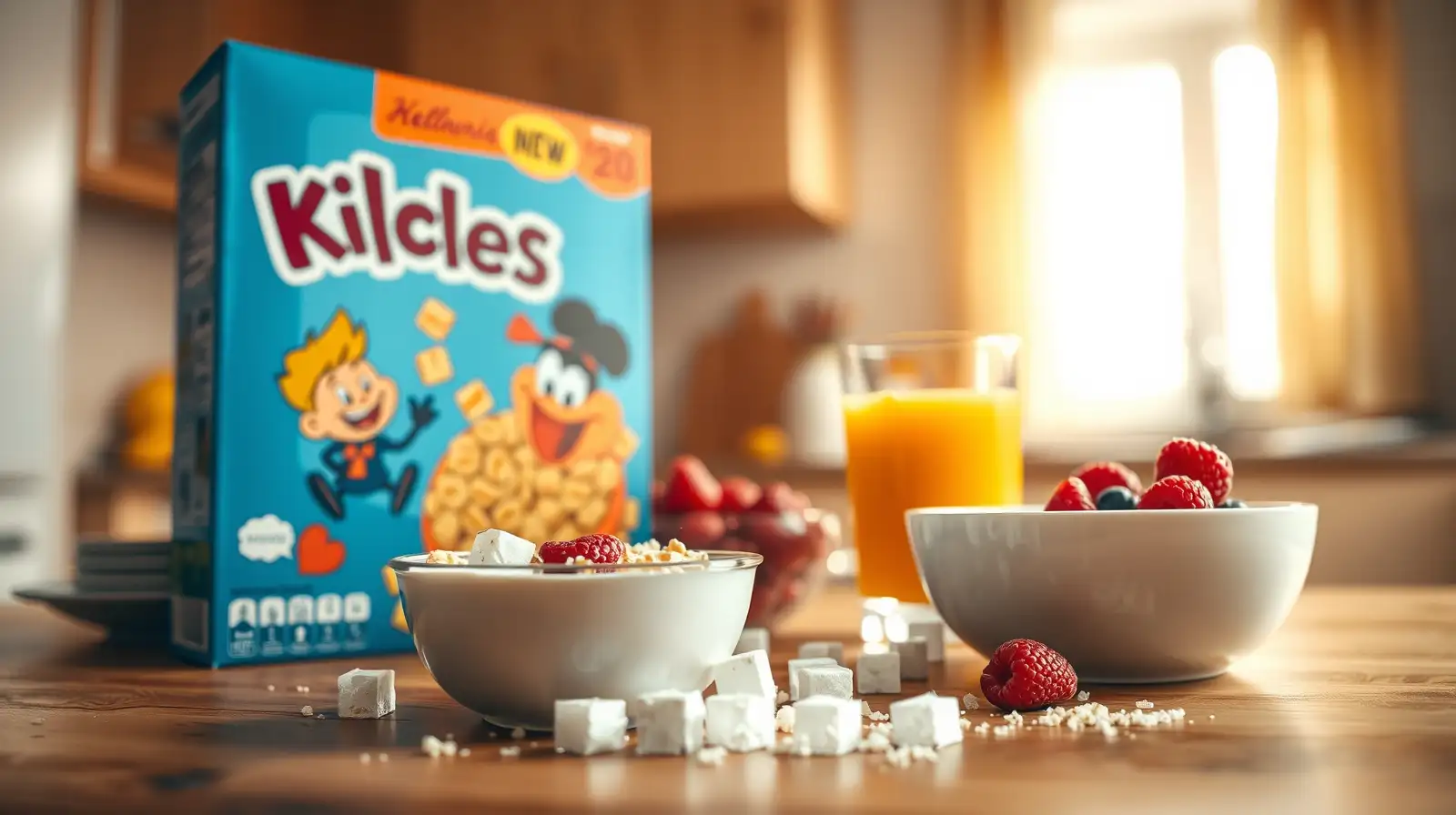
The challenge is that sugar appears on ingredient lists under many different names, including glucose, fructose, sucrose, dextrose, maltose, corn syrup and fruit juice concentrate. This can make it difficult for shoppers to recognise how much added sugar a product contains.
Reading nutrition labels carefully is one of the simplest ways to identify foods with hidden sugar.
Flavoured yoghurt is another common source. Although yoghurt naturally contains lactose, many fruit-flavoured varieties have additional sugar mixed into fruit preparations or flavourings.
Granola bars and breakfast biscuits can also contain more sugar than people realise, even when labelled as wholesome or high in fibre.
Ready-made pasta sauces, baked beans and canned soups may also contain added sugar. While the quantities vary between brands, regular consumption can significantly increase daily sugar intake.
Packaged bread is another overlooked example. Some loaves contain small amounts of sugar to improve texture, assist yeast fermentation and extend freshness.
Coffee shop beverages deserve attention as well. Flavoured coffees, milkshakes and blended drinks may contain several teaspoons of sugar through syrups, whipped cream and sweetened toppings.
Choosing water, unsweetened tea or plain coffee more often can help reduce unnecessary sugar consumption.
Dried fruits are another example. Although they provide fibre and nutrients, the natural sugars become more concentrated as water is removed. Some packaged dried fruits are also coated with additional sugar to enhance sweetness.
Even protein bars, flavoured oat drinks and plant-based milk alternatives may contain more sugar than expected, making label reading an important habit.
Making small changes, such as comparing product labels, choosing unsweetened alternatives and cooking more meals at home, can significantly reduce daily sugar intake without sacrificing taste.
Why Hidden Sugar Is So Common
Sugar is added to processed foods for several reasons beyond sweetness. It improves flavour, enhances texture, extends shelf life and balances the taste of ingredients such as tomatoes or vinegar. As a result, manufacturers often include sugar in products that people would not normally consider sweet.The challenge is that sugar appears on ingredient lists under many different names, including glucose, fructose, sucrose, dextrose, maltose, corn syrup and fruit juice concentrate. This can make it difficult for shoppers to recognise how much added sugar a product contains.
Reading nutrition labels carefully is one of the simplest ways to identify foods with hidden sugar.
Breakfast Foods Can Be More Sugary Than Expected
Many breakfast cereals marketed as healthy contain surprisingly high levels of added sugar. Even cereals made with whole grains may include sugar to improve taste, particularly those aimed at children.Flavoured yoghurt is another common source. Although yoghurt naturally contains lactose, many fruit-flavoured varieties have additional sugar mixed into fruit preparations or flavourings.
Granola bars and breakfast biscuits can also contain more sugar than people realise, even when labelled as wholesome or high in fibre.
Savoury Foods Often Hide Added Sugar
One of the biggest surprises for many shoppers is the amount of hidden sugar in savoury products. Tomato ketchup, barbecue sauce, sweet chilli sauce and many bottled salad dressings rely on sugar to balance acidity and improve flavour.Ready-made pasta sauces, baked beans and canned soups may also contain added sugar. While the quantities vary between brands, regular consumption can significantly increase daily sugar intake.
You may also like
- Setback ahead of the 8th Pay Commission! Career progression halted for these central employees; here are the details.
- Author Rheaa Noor on the quiet power of storytelling and creative identity
- Michael B. Jordan Unveils First Look at The Thomas Crown Affair
- Rajshri Deshpande-led Baapya heads Marathi line-up at IFFM | EXCLUSIVE
- Vande Bharat: What is the salary of a Vande Bharat loco pilot? Here is the recruitment process.
Packaged bread is another overlooked example. Some loaves contain small amounts of sugar to improve texture, assist yeast fermentation and extend freshness.
Drinks Can Add More Sugar Than Meals
Soft drinks are widely recognised for their sugar content, but they are not the only concern. Fruit juices, flavoured milk, iced teas, sports drinks and energy drinks often contain substantial amounts of both natural and added sugars.Coffee shop beverages deserve attention as well. Flavoured coffees, milkshakes and blended drinks may contain several teaspoons of sugar through syrups, whipped cream and sweetened toppings.
Choosing water, unsweetened tea or plain coffee more often can help reduce unnecessary sugar consumption.
Lesser-Known Sources of Hidden Sugar
Many people are surprised to discover that low-fat products can contain more added sugar than their full-fat versions. When fat is removed, manufacturers sometimes add sugar to maintain flavour and texture.Dried fruits are another example. Although they provide fibre and nutrients, the natural sugars become more concentrated as water is removed. Some packaged dried fruits are also coated with additional sugar to enhance sweetness.
Even protein bars, flavoured oat drinks and plant-based milk alternatives may contain more sugar than expected, making label reading an important habit.
Why It Matters Today
Modern diets include more packaged and convenience foods than ever before, making hidden sugar easier to consume without realising it. Excessive sugar intake has been linked to obesity, type 2 diabetes, heart disease and poor dental health. It can also cause rapid spikes and drops in blood sugar, leaving people feeling hungry again soon after eating.Making small changes, such as comparing product labels, choosing unsweetened alternatives and cooking more meals at home, can significantly reduce daily sugar intake without sacrificing taste.






Loving Newspoint? Download the app now
