
Beyond the rainbow march: Hyderabad's queer fraternity creates new avenues to unite and celebrate


The rainbow flags may not have filled Hyderabad's streets for two years now, but they have found expression elsewhere — on dance floors, in therapy circles, at community festivals and in conversations where faith met queer identity. This Pride Month, the city witnessed a growing calendar of community-led events that brought together LGBTQIA+ people and allies alike, reflecting an ecosystem that continues to evolve beyond a single annual celebration.
‘Pride has always been both a celebration and a protest’
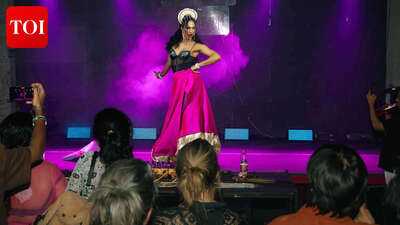
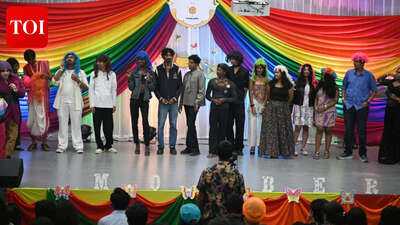
At Queer Fiesta 2026 , organised by Mobbera Foundation in collaboration with Communitie , Pride took the form of performances, community-building and opportunities for queer entrepreneurs.
"Pride has always been both a celebration and a protest. It is a reminder that despite living in a secular, democratic country, LGBTQIA+ people are still fighting for basic human rights," says Anil, founder and president of Mobbera Foundation. "This year, we wanted to focus not just on talent, but also on entrepreneurship and financial independence. We had queer and transgender entrepreneurs showcasing their products, while multinational companies accepted resumes from attendees for inclusive employment opportunities."
For Sahitya, festival leader at Communitie, one of the biggest takeaways was the diversity of those who attended. "We also saw a growing number of allies participating alongside the queer community, creating spaces where people could express themselves without fear of judgement."
'People need spaces where they know they belong'
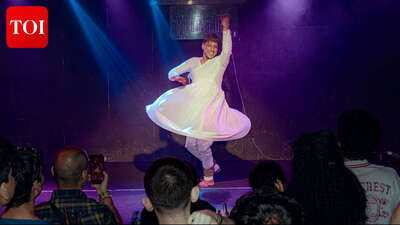
For many in Hyderabad's LGBTQIA+ community, Rainbow Nights has become more than a weekly party. Curated by Dark Vibe Society, the recurring event series has grown from a monthly gathering into a regular Sunday fixture that brings together LGBTQIA+ people, allies, artists and performers.
"Rainbow Nights has never been just about partying. It's a space where people can see each other, check in, feel safe and know they belong. We created it because we knew what it felt like to be excluded from public spaces simply for who we were," says Vaibhav Kumar Modi , the event’s curator.
"What began as a community party has evolved into what we like to call an 'equal dance floor' — a space where everyone can come together, regardless of identity. Today, allies sometimes make up an equal, or even larger, share of attendees than members of the queer community."
‘Pride has always been both a celebration and a protest’
At Queer Fiesta 2026 , organised by Mobbera Foundation in collaboration with Communitie , Pride took the form of performances, community-building and opportunities for queer entrepreneurs.
"Pride has always been both a celebration and a protest. It is a reminder that despite living in a secular, democratic country, LGBTQIA+ people are still fighting for basic human rights," says Anil, founder and president of Mobbera Foundation. "This year, we wanted to focus not just on talent, but also on entrepreneurship and financial independence. We had queer and transgender entrepreneurs showcasing their products, while multinational companies accepted resumes from attendees for inclusive employment opportunities."
For Sahitya, festival leader at Communitie, one of the biggest takeaways was the diversity of those who attended. "We also saw a growing number of allies participating alongside the queer community, creating spaces where people could express themselves without fear of judgement."
'People need spaces where they know they belong'
For many in Hyderabad's LGBTQIA+ community, Rainbow Nights has become more than a weekly party. Curated by Dark Vibe Society, the recurring event series has grown from a monthly gathering into a regular Sunday fixture that brings together LGBTQIA+ people, allies, artists and performers.
"What began as a community party has evolved into what we like to call an 'equal dance floor' — a space where everyone can come together, regardless of identity. Today, allies sometimes make up an equal, or even larger, share of attendees than members of the queer community."
Next Story