
Why Some Birds Detect Rain and Storms Before Humans Do

Long before weather satellites, radar systems and smartphone apps existed, people often looked to birds for clues about changing weather. Fishermen watched seabirds before setting sail, farmers observed swallows flying low across fields, and sailors paid close attention to the behaviour of gulls before storms. While birds cannot predict the future in the way humans forecast weather, many species possess extraordinary senses that allow them to detect subtle environmental changes long before people notice them. By responding to shifts in air pressure, humidity, wind and even distant sounds, birds often appear to know that a storm is approaching hours before the first dark clouds arrive.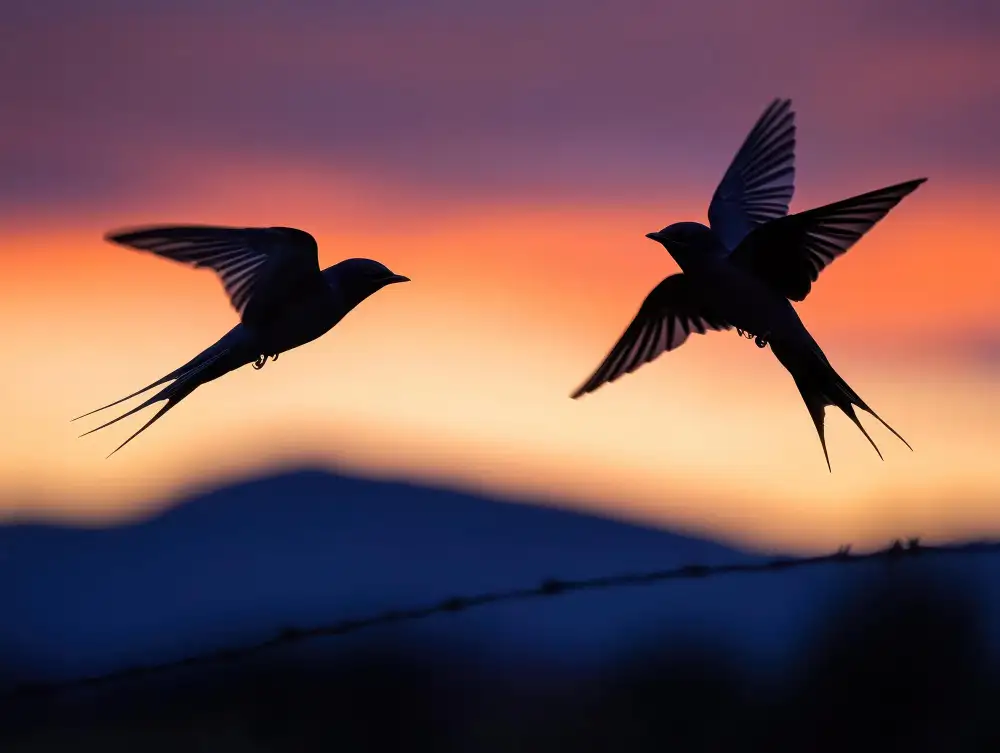
Many species are highly sensitive to falling air pressure, changing wind patterns and increasing humidity, all of which occur before storms develop. These environmental cues trigger behavioural changes that help birds avoid dangerous conditions.
Rather than waiting until bad weather arrives, they prepare in advance, giving themselves a much greater chance of survival.
The birds themselves are not reacting directly to rain. Instead, the insects they feed on descend closer to the ground when humidity rises and air pressure falls. Swallows simply follow their food source.
Although the traditional saying, "Swallows flying low means rain is coming," is not always accurate, it is based on genuine ecological behaviour.
Researchers believe these birds detect changes in atmospheric pressure as well as very low-frequency sounds known as infrasound. Powerful storms generate these sounds hundreds of kilometres away, allowing birds to respond long before humans are aware of the danger.
Birds That Predict Weather Better Than Some Instruments
Birds Read Nature's Invisible Signals
Birds do not predict weather through instinct alone. Instead, they respond to tiny changes in their surroundings that humans often cannot detect without specialised equipment.Many species are highly sensitive to falling air pressure, changing wind patterns and increasing humidity, all of which occur before storms develop. These environmental cues trigger behavioural changes that help birds avoid dangerous conditions.
Rather than waiting until bad weather arrives, they prepare in advance, giving themselves a much greater chance of survival.
Swallows and Their Low Flights
One of the oldest weather observations involves swallows flying unusually close to the ground before rain. This behaviour has been recorded across Europe and Asia for centuries.The birds themselves are not reacting directly to rain. Instead, the insects they feed on descend closer to the ground when humidity rises and air pressure falls. Swallows simply follow their food source.
Although the traditional saying, "Swallows flying low means rain is coming," is not always accurate, it is based on genuine ecological behaviour.
Seabirds Often Leave Before Storms Arrive
Seabirds are among the most impressive natural weather observers. Species such as frigatebirds, albatrosses and shearwaters have been known to alter their flight paths or return to land well before tropical storms and hurricanes reach the coast.Researchers believe these birds detect changes in atmospheric pressure as well as very low-frequency sounds known as infrasound. Powerful storms generate these sounds hundreds of kilometres away, allowing birds to respond long before humans are aware of the danger.
Next Story