
Birds That Can Recognise Individual Humans and Remember Faces

Most people assume that birds see humans as little more than large, unpredictable creatures. However, scientific research has revealed a far more remarkable reality. Several bird species can recognise individual humans, remember specific faces for years and even change their behaviour depending on past experiences with particular people. Whether avoiding someone who once disturbed their nest or approaching a familiar person who regularly provides food, these birds demonstrate an impressive level of intelligence and memory. Their ability to distinguish one individual from another has fascinated researchers around the world and continues to reshape our understanding of bird cognition . Far from acting on simple instinct alone, many birds possess sophisticated mental abilities that help them survive in an ever-changing world.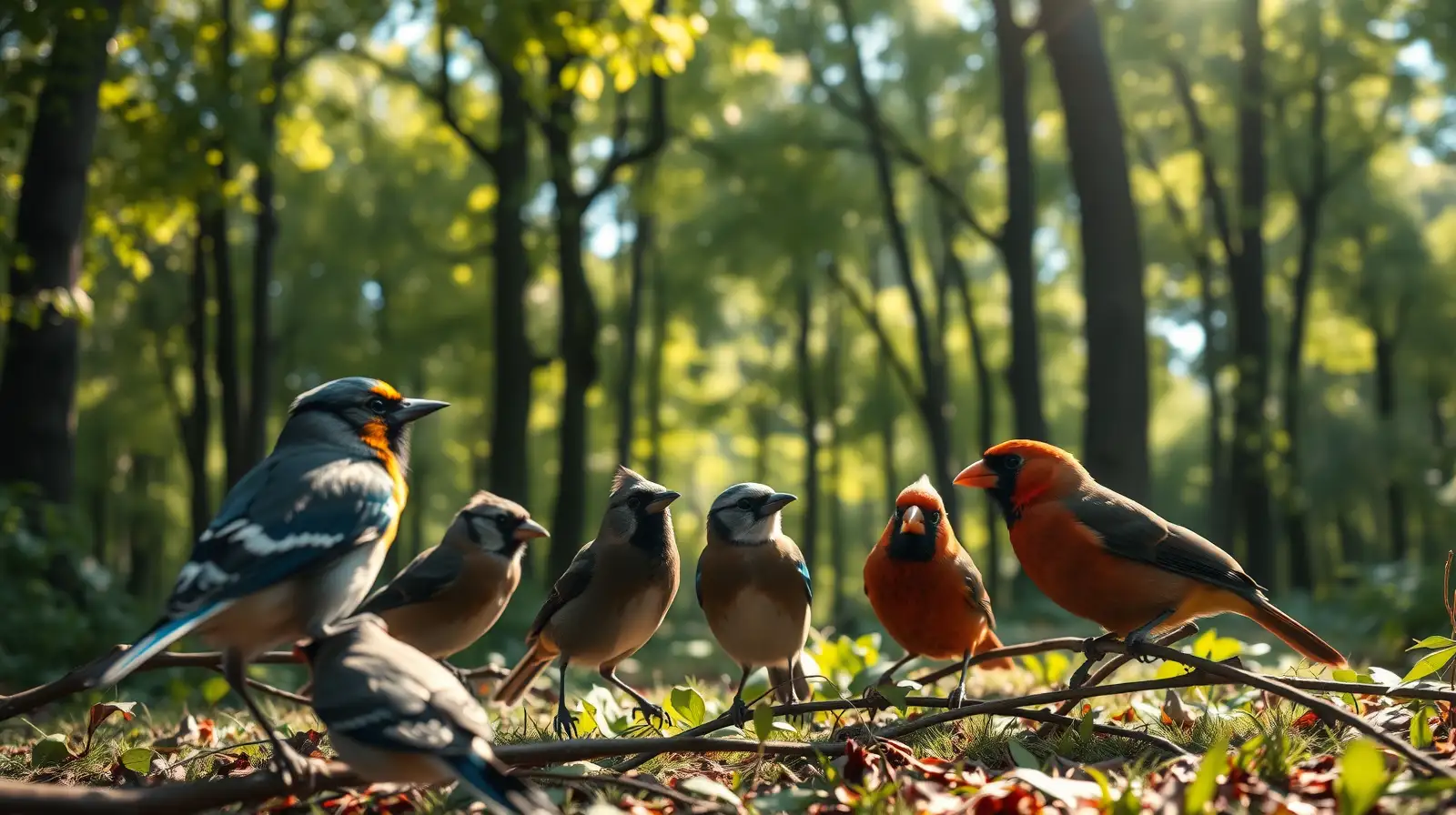
Researchers at the University of Washington famously discovered that crows remembered people wearing masks associated with capturing wild birds. Long after the original event, the crows continued to scold and avoid those faces while behaving normally around others.
Even more remarkably, younger crows learned to recognise the same faces by observing older members of the group, showing that knowledge can spread socially within crow communities.
In wildlife parks and research centres, ravens often recognise familiar caretakers, responding differently to strangers than to people they encounter regularly. Their excellent memory helps them identify individuals who provide food or pose potential threats.
Scientists believe this ability plays an important role in helping ravens survive in diverse environments where interactions with humans are becoming increasingly common.
If someone repeatedly approaches a nesting site, magpies may become defensive whenever that specific person appears. Conversely, birds living near people who regularly feed them often become noticeably more relaxed and trusting.
This ability allows magpies to make informed decisions rather than reacting identically to every human they encounter.
Researchers have found that pigeons can distinguish between different human faces, remember them over long periods and even recognise photographs of familiar individuals. Their sharp eyesight allows them to notice subtle differences in facial features, clothing and movement.
This skill helps urban pigeons identify people who regularly offer food while avoiding those who may disturb or chase them.
Instead of reacting aggressively towards everyone, mockingbirds focused their defensive behaviour on those they recognised as potential threats. People who had never disturbed the nest were often ignored completely.
This selective response saves valuable energy while allowing the birds to protect their chicks more effectively.
Some captive parrots remember their owners after years of separation, while gulls nesting near beaches learn to identify regular visitors who are likely to leave behind food.
Research also suggests that birds combine visual memory with learning and experience, making their recognition abilities even more sophisticated than previously thought.
For people, these discoveries encourage more thoughtful interactions with wildlife. Feeding birds responsibly, avoiding disturbance during nesting season and respecting natural habitats can all influence how birds perceive humans.
As cities continue to expand, positive relationships between people and wildlife are becoming increasingly important.
Crows Have Extraordinary Facial Memory
Among all birds, crows are perhaps the most famous for recognising human faces. Studies have shown that they can remember people who have treated them positively or negatively, even years after a single encounter.Researchers at the University of Washington famously discovered that crows remembered people wearing masks associated with capturing wild birds. Long after the original event, the crows continued to scold and avoid those faces while behaving normally around others.
Even more remarkably, younger crows learned to recognise the same faces by observing older members of the group, showing that knowledge can spread socially within crow communities.
Ravens Also Remember People
Close relatives of crows, ravens possess similarly impressive cognitive abilities. They can distinguish between individual humans and adjust their behaviour based on previous interactions.In wildlife parks and research centres, ravens often recognise familiar caretakers, responding differently to strangers than to people they encounter regularly. Their excellent memory helps them identify individuals who provide food or pose potential threats.
Scientists believe this ability plays an important role in helping ravens survive in diverse environments where interactions with humans are becoming increasingly common.
Magpies Learn From Experience
Magpies belong to the crow family and are among the most intelligent birds on Earth. They quickly learn to associate individual people with positive or negative experiences.If someone repeatedly approaches a nesting site, magpies may become defensive whenever that specific person appears. Conversely, birds living near people who regularly feed them often become noticeably more relaxed and trusting.
This ability allows magpies to make informed decisions rather than reacting identically to every human they encounter.
Pigeons Are Better at Recognition Than Many People Realise
Although often overlooked, pigeons have demonstrated remarkable visual memory in scientific experiments.Researchers have found that pigeons can distinguish between different human faces, remember them over long periods and even recognise photographs of familiar individuals. Their sharp eyesight allows them to notice subtle differences in facial features, clothing and movement.
This skill helps urban pigeons identify people who regularly offer food while avoiding those who may disturb or chase them.
Mockingbirds Protect Their Nests
Northern mockingbirds provide another striking example of facial recognition. Researchers observed that these birds quickly identified individual people who repeatedly approached their nests.You may also like
- 7 Home Remedies That May Fade Dark Circles Naturally
- Prabh Uppal: A Journey of Resilience in the Modelling Industry
- 7 Conversation mistakes that can turn small disagreements into bigger relationship conflicts
- Quote of the day by Sadhguru: “If you want to cross the boundaries of your present existence, you need madness in your heart but absolute balance in your head.” ; What the mystic and yogi advises about keeping the right balance between fire and calm of mind
- What is Blue Aadhaar? Here are three ways to download it
Instead of reacting aggressively towards everyone, mockingbirds focused their defensive behaviour on those they recognised as potential threats. People who had never disturbed the nest were often ignored completely.
This selective response saves valuable energy while allowing the birds to protect their chicks more effectively.
Lesser-Known Facts About Bird Recognition
Scientists believe birds do not rely solely on faces when recognising humans. They also pay attention to clothing, walking style, voice, body shape and even behaviour patterns.Some captive parrots remember their owners after years of separation, while gulls nesting near beaches learn to identify regular visitors who are likely to leave behind food.
Research also suggests that birds combine visual memory with learning and experience, making their recognition abilities even more sophisticated than previously thought.
Why Bird Recognition Matters Today
Understanding how birds recognise individual humans has important implications for wildlife conservation and urban planning. It helps researchers minimise unnecessary stress during field studies and improve conservation programmes for endangered species.For people, these discoveries encourage more thoughtful interactions with wildlife. Feeding birds responsibly, avoiding disturbance during nesting season and respecting natural habitats can all influence how birds perceive humans.
As cities continue to expand, positive relationships between people and wildlife are becoming increasingly important.






Loving Newspoint? Download the app now
