
What Are Blocked Chakras? 5 Signs Of Energy Imbalance

The idea of chakras comes from traditional Indian spiritual systems, where they are described as energy centres connected with different aspects of human wellbeing. In these traditions, balanced chakras are associated with harmony, stability and a sense of inner peace.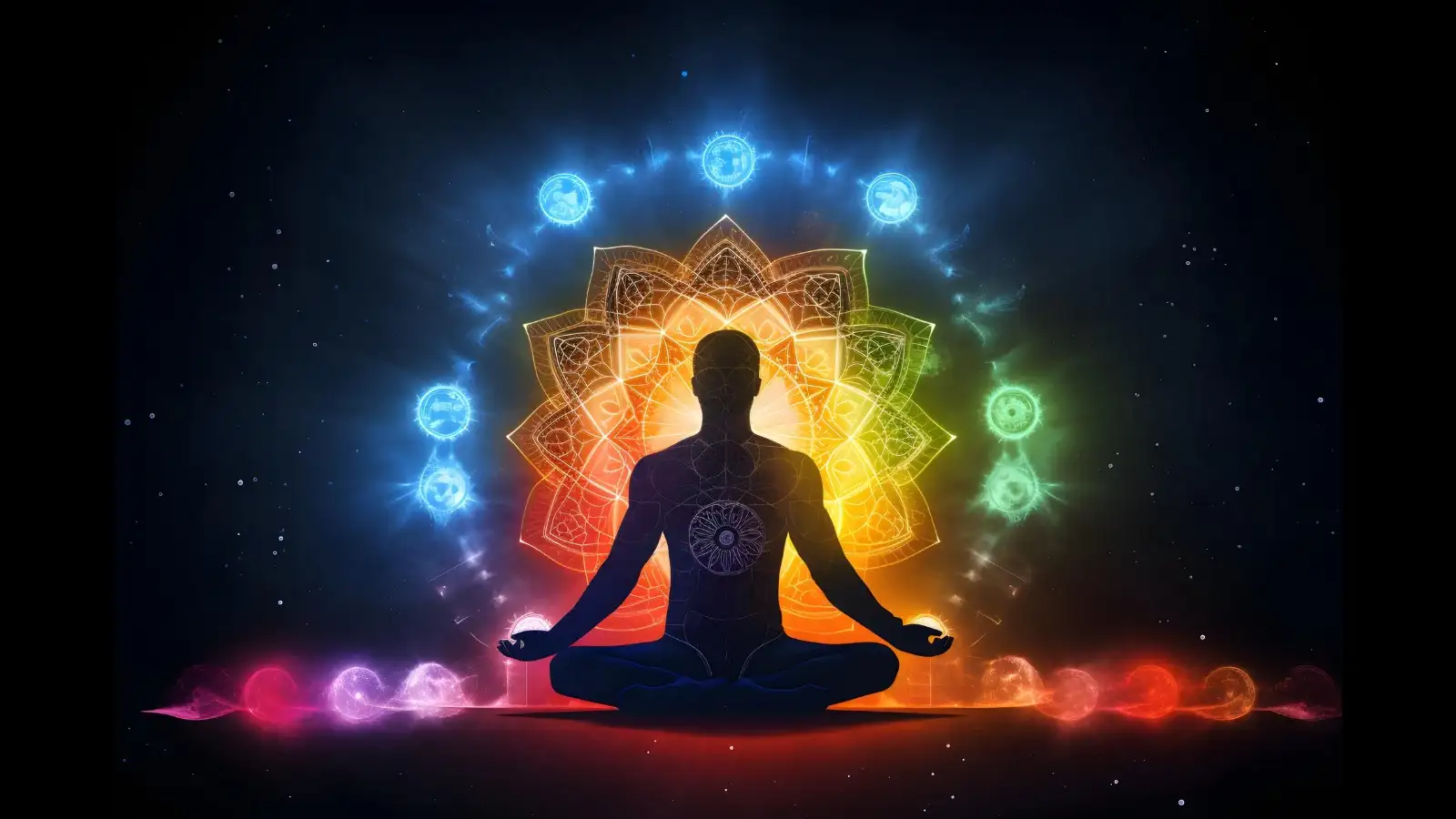
When a chakra is believed to be blocked or imbalanced, certain emotional or mental experiences may be interpreted through this framework. These beliefs are spiritual and traditional rather than a medical explanation for symptoms.
Here are five signs commonly associated with chakra imbalance .
From this perspective, emotional stagnation may be viewed as a sign that these areas need attention and balance.
The throat chakra is associated with honest and clear communication, making self-expression an important part of its traditional meaning.
In chakra traditions, an imbalance here may be viewed as contributing to feelings of detachment or uncertainty.
Within this belief system, difficulty finding mental clarity may therefore be seen as a sign of an imbalance.
From a traditional perspective, maintaining emotional harmony is considered an important part of keeping the heart chakra balanced.
Mindful breathing and meditation are commonly practised to promote a sense of calm, while yoga is traditionally used to support physical and mental balance.
It is important to remember that chakras are part of traditional spiritual and wellness systems, and there is no established medical evidence that blocked chakras cause physical or psychological illnesses. If you are experiencing persistent anxiety, exhaustion, pain, mood changes or other concerning symptoms, it is best to speak with a qualified healthcare professional.
Disclaimer: This article discusses traditional spiritual beliefs about chakras and is intended for general wellness information only. It should not be considered medical advice or used as a substitute for professional diagnosis or treatment.
When a chakra is believed to be blocked or imbalanced, certain emotional or mental experiences may be interpreted through this framework. These beliefs are spiritual and traditional rather than a medical explanation for symptoms.
Here are five signs commonly associated with chakra imbalance .
1. Feeling Emotionally Stuck
Feeling unable to move past certain emotions is traditionally associated with the sacral or solar plexus chakras. These energy centres are linked with creativity, confidence, passion and personal power.From this perspective, emotional stagnation may be viewed as a sign that these areas need attention and balance.
2. Finding It Difficult To Express Yourself
Communication is traditionally connected with the throat chakra. If you regularly struggle to express your feelings, opinions or thoughts, this may be interpreted as an imbalance in this energy centre.The throat chakra is associated with honest and clear communication, making self-expression an important part of its traditional meaning.
3. Feeling Disconnected Or Unmotivated
A persistent feeling of disconnection or a lack of motivation is traditionally linked with the crown chakra. Located at the top of the head, this chakra is associated with purpose, awareness and a sense of connection.In chakra traditions, an imbalance here may be viewed as contributing to feelings of detachment or uncertainty.
4. Difficulty Focusing
Constant mental distractions and difficulty maintaining focus are traditionally associated with the third eye chakra. This chakra is located around the centre of the forehead and is connected with intuition, clarity and inner wisdom.Within this belief system, difficulty finding mental clarity may therefore be seen as a sign of an imbalance.
5. Emotional Restlessness
The heart chakra is traditionally associated with love, emotional stability, gratitude and inner peace. Frequent mood changes or difficulty understanding and connecting with others may be interpreted as an imbalance in this chakra.From a traditional perspective, maintaining emotional harmony is considered an important part of keeping the heart chakra balanced.
How Are Chakras Traditionally Balanced?
Several practices are traditionally used for balancing chakras . These include meditation, yoga, breathing exercises and maintaining a balanced diet.Mindful breathing and meditation are commonly practised to promote a sense of calm, while yoga is traditionally used to support physical and mental balance.
It is important to remember that chakras are part of traditional spiritual and wellness systems, and there is no established medical evidence that blocked chakras cause physical or psychological illnesses. If you are experiencing persistent anxiety, exhaustion, pain, mood changes or other concerning symptoms, it is best to speak with a qualified healthcare professional.
Disclaimer: This article discusses traditional spiritual beliefs about chakras and is intended for general wellness information only. It should not be considered medical advice or used as a substitute for professional diagnosis or treatment.
Next Story