
Body Lotion vs Body Cream vs Body Butter: Which Is Best for Your Skin?

Choosing a body moisturiser may seem straightforward until you find shelves filled with lotions, creams and butters. Although all three products help keep the skin soft and hydrated, they differ in texture, richness and how they feel after application. Using the right formula can make your skincare routine more comfortable, particularly when the weather changes or your skin becomes dry and rough.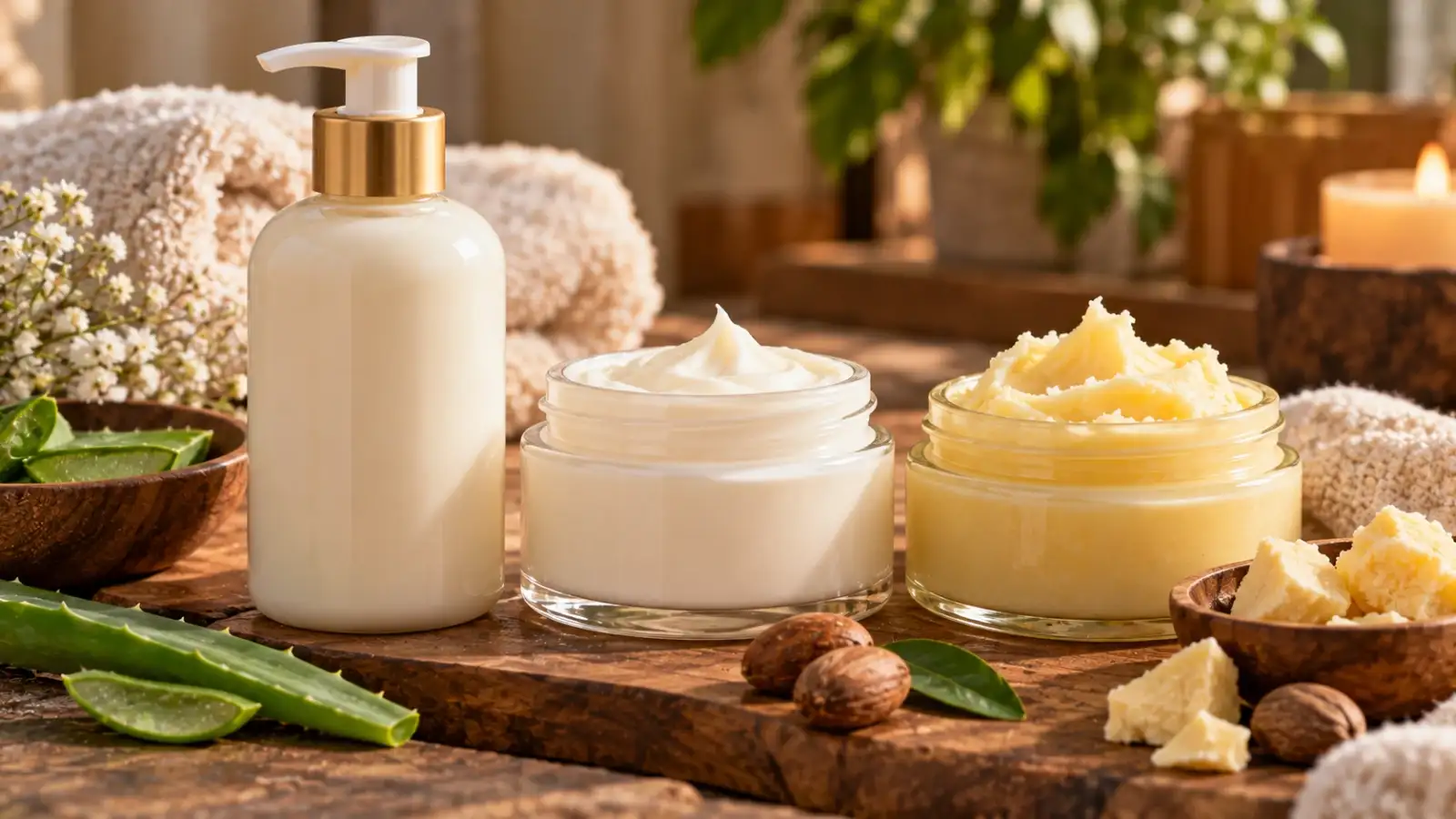
Body lotion is generally lightweight and easy to spread, body cream offers a richer consistency, and body butter is usually the thickest option. However, the best choice depends on your skin type, the climate you live in and the ingredients in the product. Understanding these differences can help you choose a moisturiser that suits your everyday needs.
Body lotions are particularly useful for people with normal skin or mild dryness. They can also be a comfortable choice in warm, humid weather when thick products may feel heavy or sticky.
If your skin remains flaky or tight after using a lotion, you may need a richer formula, such as a body cream.
Its richer texture makes body cream a useful option for people experiencing noticeable dryness, particularly on areas such as the arms, legs, elbows and knees. It can also be helpful during winter, when cold outdoor air and indoor heating may leave the skin feeling rough.
For best results, apply body cream after bathing while the skin is still slightly damp. This helps trap moisture and can improve the effectiveness of your routine.
This makes them especially appealing for very dry skin or areas that regularly become rough, such as heels, elbows, knees and hands. Body butter can also be useful during cold, dry weather when a lightweight lotion does not provide enough comfort.
It is also worth remembering that body butter is not automatically better simply because it is thicker. Its effectiveness depends on the ingredients and whether the formula suits your skin.
These are general guidelines rather than strict rules. Product formulations differ, so the ingredient list and your skin's response matter more than the name printed on the packaging.
First, take a short shower using lukewarm rather than very hot water. Gently pat your skin dry with a towel, leaving it slightly damp. Apply your chosen lotion, cream or butter soon afterwards to help retain moisture.
Pay extra attention to areas that tend to become dry, including the shins, elbows, knees and hands. Reapply when your skin feels tight or dry, following the product's instructions.
During winter, you may find that your usual lotion no longer provides enough hydration. Switching to a cream or using a richer product on particularly dry areas can help you adapt your routine to changing conditions.
If dryness persists despite regular moisturising, or if you develop itching, redness, cracking or a rash, consult a healthcare professional. These symptoms may require more than a change in moisturiser.
You do not need all three products, however. Using one well-formulated moisturiser consistently is often enough. Choose a product that feels comfortable, addresses your dryness and fits your daily routine.
Body lotion, body cream and body butter all help moisturise the skin, but their textures and typical uses differ. Lotion is the lightest option for everyday hydration, cream provides richer care for dry skin, and butter is useful for particularly rough or dry areas. None is universally best for everyone.
Consider your skin type, the weather and how your skin feels after application. With the right formula and regular use, you can maintain softer, more comfortable skin throughout the year.
Body lotion is generally lightweight and easy to spread, body cream offers a richer consistency, and body butter is usually the thickest option. However, the best choice depends on your skin type, the climate you live in and the ingredients in the product. Understanding these differences can help you choose a moisturiser that suits your everyday needs.
What Is Body Lotion?
Body lotion is usually the lightest of the three moisturisers. It typically contains a higher proportion of water than richer creams and butters, making it easier to spread over large areas of the body. Many lotions absorb relatively quickly and leave less of a greasy feeling, which makes them convenient for everyday use.Body lotions are particularly useful for people with normal skin or mild dryness. They can also be a comfortable choice in warm, humid weather when thick products may feel heavy or sticky.
Benefits of body lotion
- Lightweight texture that spreads easily.
- Convenient for daily, full-body application.
- Often absorbs quickly, allowing you to get dressed soon afterwards.
- Suitable for maintaining moisture when the skin is not extremely dry.
If your skin remains flaky or tight after using a lotion, you may need a richer formula, such as a body cream.
What Is Body Cream?
Body cream sits between lotion and body butter in terms of consistency, although formulations vary between brands. It generally contains more oil or other emollient ingredients than a lightweight lotion, helping it soften the skin and reduce moisture loss.Its richer texture makes body cream a useful option for people experiencing noticeable dryness, particularly on areas such as the arms, legs, elbows and knees. It can also be helpful during winter, when cold outdoor air and indoor heating may leave the skin feeling rough.
Benefits of body cream
- Provides richer moisturisation than many lightweight lotions.
- Helps soften rough, dry areas.
- Often leaves the skin feeling comfortable for longer.
- Works well as part of a daily skincare routine during colder months.
For best results, apply body cream after bathing while the skin is still slightly damp. This helps trap moisture and can improve the effectiveness of your routine.
What Is Body Butter?
Body butter is generally the richest and thickest of these three products. It often contains concentrated plant butters, such as shea butter or cocoa butter, along with oils and other moisturising ingredients. Unlike many lotions, body butters have a dense texture and may take longer to spread and absorb.This makes them especially appealing for very dry skin or areas that regularly become rough, such as heels, elbows, knees and hands. Body butter can also be useful during cold, dry weather when a lightweight lotion does not provide enough comfort.
Benefits of body butter
- Offers rich, nourishing moisturisation.
- Helps soften rough and flaky skin.
- Creates a protective layer that reduces moisture loss.
- Works well on particularly dry areas and as part of a night-time routine.
It is also worth remembering that body butter is not automatically better simply because it is thicker. Its effectiveness depends on the ingredients and whether the formula suits your skin.
Body Lotion vs Body Cream vs Body Butter
The easiest way to understand the difference is to compare their texture, typical uses and suitability for different levels of dryness.| Feature | Body Lotion | Body Cream | Body Butter |
| Texture | Light and fluid | Thick and creamy | Dense and rich |
| Typical feel | Less greasy | Moderately rich | Often heavier |
| Best suited to | Normal or mildly dry skin | Dry skin | Very dry or rough areas |
| Common use | Everyday moisturising | Daily care for dry skin | Intensive care for dry patches |
| Weather preference | Often comfortable in warm weather | Useful throughout the year | Often preferred in cold, dry weather |
Which One Is Best for Your Skin Type?
The right moisturiser depends on how your skin behaves rather than simply whether a product is marketed as luxurious or nourishing.For normal skin
A body lotion is often sufficient for everyday hydration. It spreads easily and is convenient to apply after a shower or before getting dressed.For dry skin
A body cream is usually a better starting point because its richer formulation can help reduce moisture loss. If your skin remains rough or flaky, consider a thicker product or an ointment recommended for your needs.For very dry skin
Body butter may help soften stubborn dry patches, especially on the legs, elbows, knees and heels. An ointment containing petrolatum can provide an even stronger moisture barrier when skin is particularly dry.For oily or acne-prone skin
A lightweight, non-comedogenic lotion may be more comfortable than a heavy butter. If you experience frequent body breakouts, look for products labelled non-comedogenic and avoid applying rich products to areas where they tend to trigger spots.For sensitive skin
Choose a fragrance-free moisturiser with a short, uncomplicated ingredient list. Natural ingredients are not automatically less irritating, and some botanical extracts or essential oils can trigger reactions.How to Apply Body Moisturiser Correctly
Regardless of which product you choose, the way you apply it can make a difference.First, take a short shower using lukewarm rather than very hot water. Gently pat your skin dry with a towel, leaving it slightly damp. Apply your chosen lotion, cream or butter soon afterwards to help retain moisture.
You may also like
- “A very important part of their life is over…”: When Amitabh Bachchan revealed his biggest regret as a father while raising Shweta and Abhishek
- “It completely shatters your ego,” says traveller after witnessing Kerala's mesmerising Theyyam ritual; what exactly is it
- DAY 2 BRAHMACHARINI: A Letter to the Unfinished Self
- DAY 1 SHAILAPUTRI: The First Worship Is to Stand Somewhere
- Former NFL player quit football at 26 to pursue a PhD in mathematics at MIT; his latest research tackles a 30-year-old math problem
Pay extra attention to areas that tend to become dry, including the shins, elbows, knees and hands. Reapply when your skin feels tight or dry, following the product's instructions.
During winter, you may find that your usual lotion no longer provides enough hydration. Switching to a cream or using a richer product on particularly dry areas can help you adapt your routine to changing conditions.
If dryness persists despite regular moisturising, or if you develop itching, redness, cracking or a rash, consult a healthcare professional. These symptoms may require more than a change in moisturiser.
Can You Use Body Lotion, Cream and Butter Together?
Yes, you can use different moisturisers in the same routine if your skin benefits from them. For example, you could apply lotion over most of your body and use body butter on dry elbows, knees and heels.You do not need all three products, however. Using one well-formulated moisturiser consistently is often enough. Choose a product that feels comfortable, addresses your dryness and fits your daily routine.
Body lotion, body cream and body butter all help moisturise the skin, but their textures and typical uses differ. Lotion is the lightest option for everyday hydration, cream provides richer care for dry skin, and butter is useful for particularly rough or dry areas. None is universally best for everyone.
Consider your skin type, the weather and how your skin feels after application. With the right formula and regular use, you can maintain softer, more comfortable skin throughout the year.






Loving Newspoint? Download the app now
