
Fruits That Are Good for Heart Health: Nature’s Best Foods for a Stronger Heart

Heart disease remains one of the leading health concerns worldwide, affecting millions of people every year. While factors such as exercise, sleep and stress management all play important roles in cardiovascular health, diet remains one of the most powerful tools for protecting the heart. Among the many foods recommended by nutrition experts, fruits stand out for their combination of vitamins, minerals, fibre and antioxidants. They are naturally low in unhealthy fats and rich in compounds that support healthy blood vessels, cholesterol levels and blood pressure. Adding more fruit to your diet is a simple habit, but one that can have long-term benefits for your heart and overall wellbeing.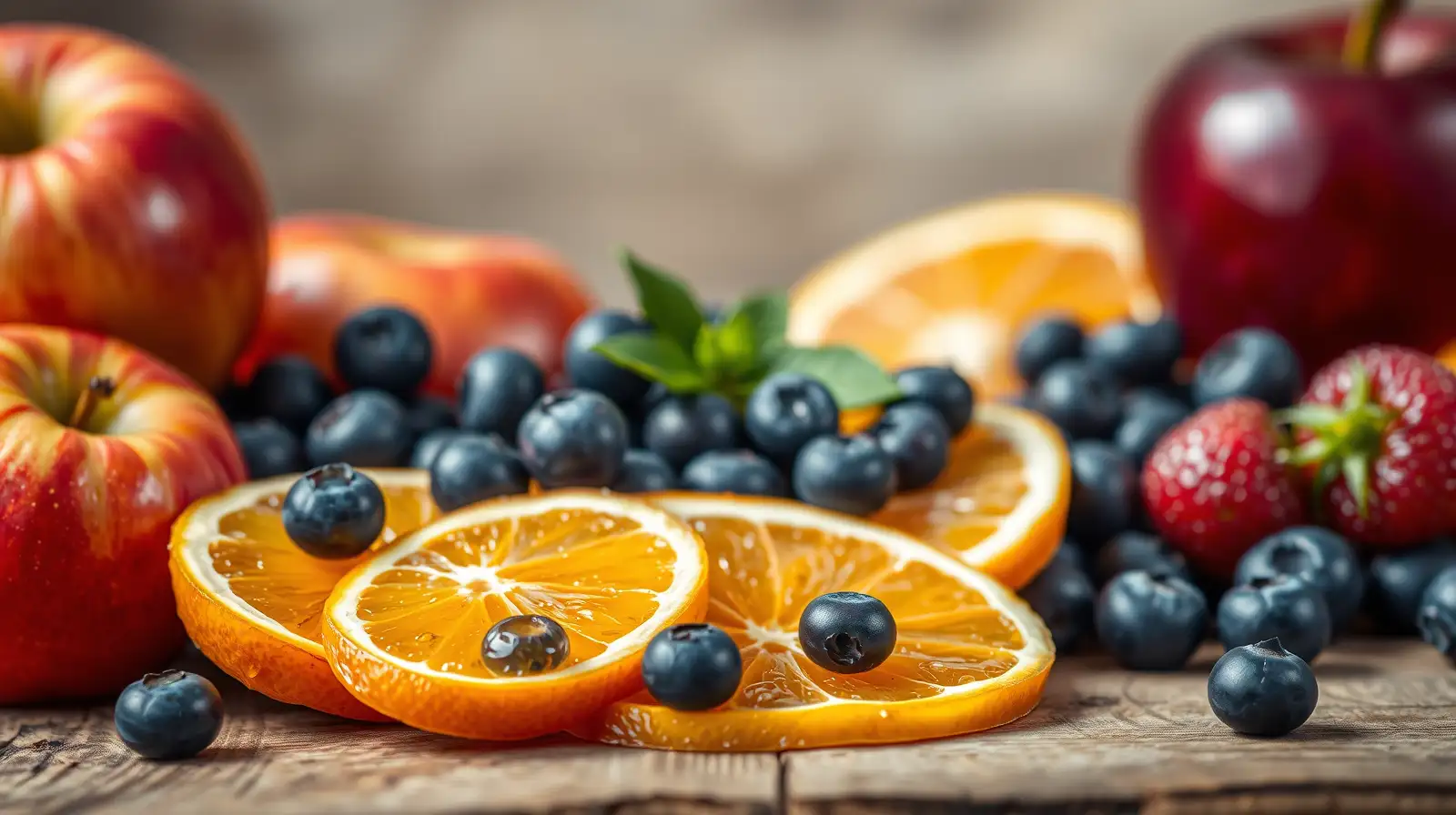
Fruits contain nutrients that help support cardiovascular function. Many are rich in potassium, which helps regulate blood pressure. Others provide fibre that may contribute to healthier cholesterol levels. Antioxidants found in fruit can also help protect cells from damage caused by oxidative stress.
Health organisations around the world consistently recommend regular fruit consumption as part of a heart-friendly diet.
They are rich in soluble fibre, particularly pectin, which may help support healthy cholesterol levels. Apples also contain antioxidants known as polyphenols that have been linked to cardiovascular health.
Because they are affordable, widely available and easy to carry, apples remain one of the simplest fruits to include in a daily diet.
These fruits contain anthocyanins, natural compounds responsible for their vibrant colours. Research suggests these antioxidants may support blood vessel health and help reduce inflammation.
Berries are also relatively low in calories while providing fibre and essential vitamins, making them a popular choice among health-conscious consumers.
High sodium intake is associated with elevated blood pressure, a major risk factor for heart disease. Including potassium-rich foods such as bananas can help support cardiovascular balance.
Their convenience and natural sweetness make bananas one of the most widely consumed fruits worldwide.
Vitamin C supports overall vascular health, while flavonoids found in citrus fruits have been studied for their potential cardiovascular benefits. These compounds may contribute to healthier blood vessel function.
Fresh citrus fruits also provide hydration and can be a refreshing alternative to sugary snacks and beverages.
They are rich in monounsaturated fats, the same type of heart-friendly fats found in olive oil. These fats may help support healthy cholesterol levels when consumed as part of a balanced diet.
Avocados also contain potassium and fibre, making them one of the most nutrient-dense fruits available.
The fruit contains compounds known as punicalagins and anthocyanins, which help protect cells from oxidative damage. Some studies suggest pomegranate consumption may support healthy blood flow and blood vessel function.
For centuries, pomegranates have been valued in various cultures as symbols of vitality and health.
The fruit is also rich in lycopene, an antioxidant that has been studied for its role in supporting heart health.
Its high water content makes watermelon particularly appealing during warmer months.
Dietary fibre may help lower levels of LDL cholesterol, often referred to as "bad" cholesterol. It also promotes healthy digestion and helps people feel fuller for longer.
Fruits such as apples, pears, berries and oranges are excellent sources of fibre, making them valuable additions to a heart-conscious diet.
Interestingly, different coloured fruits often contain different types of beneficial plant compounds. This is why nutrition experts frequently encourage people to "eat the rainbow" by consuming a variety of colourful fruits.
Another lesser-known fact is that frozen fruits can retain much of their nutritional value, making them a practical option when fresh produce is unavailable.
As awareness grows about preventive healthcare, many people are looking for simple dietary changes that can support long-term wellbeing. Increasing fruit consumption is one of the easiest and most accessible steps individuals can take.
Small daily habits often have a greater impact over time than dramatic short-term changes.
Why Fruits Matter for Heart Health
The heart works continuously throughout life, pumping blood to every part of the body. To function efficiently, it depends on proper nutrition.Fruits contain nutrients that help support cardiovascular function. Many are rich in potassium, which helps regulate blood pressure. Others provide fibre that may contribute to healthier cholesterol levels. Antioxidants found in fruit can also help protect cells from damage caused by oxidative stress.
Health organisations around the world consistently recommend regular fruit consumption as part of a heart-friendly diet.
Apples: A Classic Choice for Cardiovascular Health
The saying "an apple a day keeps the doctor away" may not be entirely accurate, but apples do offer several heart-related benefits.They are rich in soluble fibre, particularly pectin, which may help support healthy cholesterol levels. Apples also contain antioxidants known as polyphenols that have been linked to cardiovascular health.
Because they are affordable, widely available and easy to carry, apples remain one of the simplest fruits to include in a daily diet.
Berries Are Packed With Protective Compounds
Strawberries, blueberries, raspberries and blackberries are often considered nutritional powerhouses.These fruits contain anthocyanins, natural compounds responsible for their vibrant colours. Research suggests these antioxidants may support blood vessel health and help reduce inflammation.
Berries are also relatively low in calories while providing fibre and essential vitamins, making them a popular choice among health-conscious consumers.
Bananas Provide Heart-Friendly Potassium
Bananas are best known for their potassium content. Potassium helps balance sodium levels in the body and plays an important role in maintaining healthy blood pressure.High sodium intake is associated with elevated blood pressure, a major risk factor for heart disease. Including potassium-rich foods such as bananas can help support cardiovascular balance.
Their convenience and natural sweetness make bananas one of the most widely consumed fruits worldwide.
Oranges and Citrus Fruits Support Circulation
Oranges, grapefruits, lemons and other citrus fruits offer a combination of vitamin C, fibre and antioxidants.Vitamin C supports overall vascular health, while flavonoids found in citrus fruits have been studied for their potential cardiovascular benefits. These compounds may contribute to healthier blood vessel function.
Fresh citrus fruits also provide hydration and can be a refreshing alternative to sugary snacks and beverages.
Avocados: A Unique Heart-Healthy Fruit
Although often treated like a vegetable in meals, avocados are technically fruits.They are rich in monounsaturated fats, the same type of heart-friendly fats found in olive oil. These fats may help support healthy cholesterol levels when consumed as part of a balanced diet.
Avocados also contain potassium and fibre, making them one of the most nutrient-dense fruits available.
Pomegranates and Their Powerful Antioxidants
Pomegranates have gained attention in recent years due to their exceptionally high antioxidant content.The fruit contains compounds known as punicalagins and anthocyanins, which help protect cells from oxidative damage. Some studies suggest pomegranate consumption may support healthy blood flow and blood vessel function.
For centuries, pomegranates have been valued in various cultures as symbols of vitality and health.
Watermelon Supports Circulation
Watermelon is not only refreshing but also beneficial for cardiovascular health. It contains an amino acid called citrulline, which the body converts into compounds that help relax blood vessels.The fruit is also rich in lycopene, an antioxidant that has been studied for its role in supporting heart health.
Its high water content makes watermelon particularly appealing during warmer months.
Why Fibre Is Important for the Heart
Many heart-healthy fruits share one important characteristic: fibre.Dietary fibre may help lower levels of LDL cholesterol, often referred to as "bad" cholesterol. It also promotes healthy digestion and helps people feel fuller for longer.
Fruits such as apples, pears, berries and oranges are excellent sources of fibre, making them valuable additions to a heart-conscious diet.
Lesser-Known Facts About Heart-Healthy Fruits
Researchers have found that diets rich in fruits and vegetables are consistently associated with lower rates of cardiovascular disease.Interestingly, different coloured fruits often contain different types of beneficial plant compounds. This is why nutrition experts frequently encourage people to "eat the rainbow" by consuming a variety of colourful fruits.
Another lesser-known fact is that frozen fruits can retain much of their nutritional value, making them a practical option when fresh produce is unavailable.
Why Heart Health Matters More Than Ever
Modern lifestyles often involve sedentary habits, processed foods and high stress levels, all of which can affect cardiovascular health.As awareness grows about preventive healthcare, many people are looking for simple dietary changes that can support long-term wellbeing. Increasing fruit consumption is one of the easiest and most accessible steps individuals can take.
Small daily habits often have a greater impact over time than dramatic short-term changes.
Next Story