
Exam Stress: Common Symptoms and Breathing Exercises Every Student Should Know

With exam season in full swing across schools and colleges, many students find themselves struggling with more than just difficult questions, exam anxiety can seriously affect focus, performance and emotional wellbeing. While a certain amount of nervousness is normal, excessive anxiety can lead to physical discomfort, negative thoughts and a mental block during exams. To help students manage stress effectively, psychiatrist Dr Kurinji G R, a consultant in psychiatry at Kauvery Hospital, shared practical breathing techniques and identified common symptoms of exam anxiety that parents and students should recognise.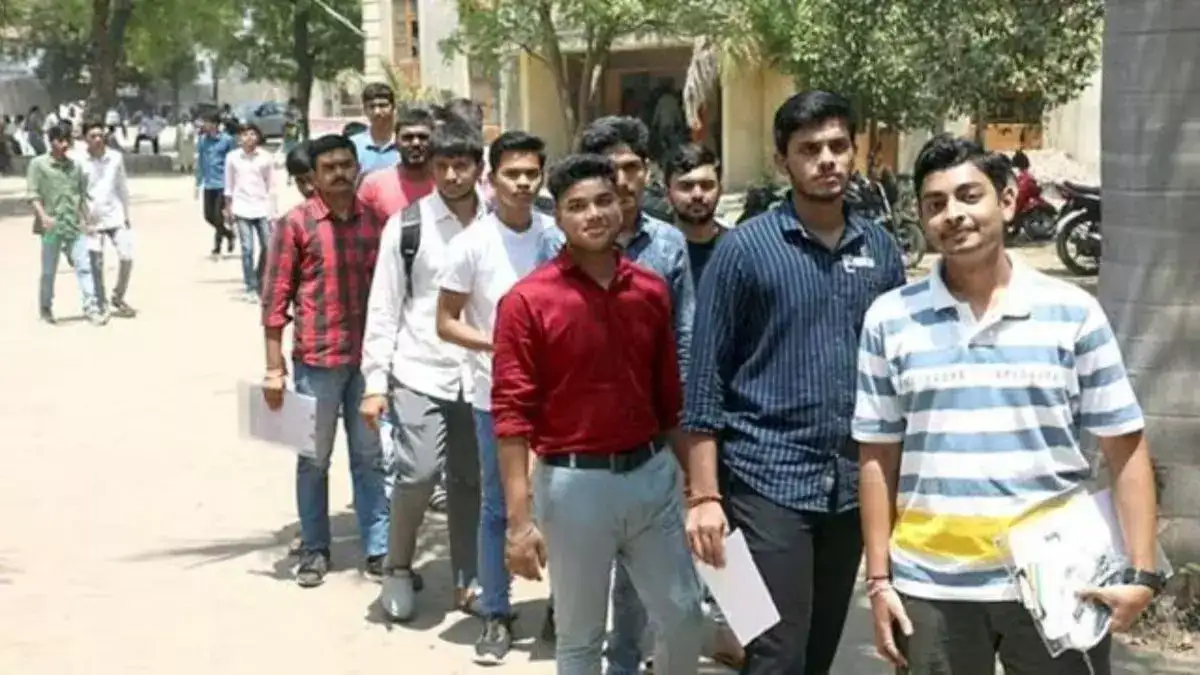
Dr Kurinji suggests several effective methods:
Understanding Exam Anxiety and Its Signs
Anxiety doesn’t just affect the mind, it triggers measurable changes in the body and behaviour. Dr Kurinji explains that when anxiety rises, a student’s thoughts and physical state can spiral, leading to difficulties in concentration and self-confidence. He identifies four categories of symptoms:- Physical – Rapid heartbeat, shortness of breath, dizziness, headaches, nausea, sweating, dry mouth and feeling faint. These somatic signs often appear when a student is overwhelmed by exam pressure.
- Emotional – Feelings of fear, helplessness, low self-esteem or uncontrollable crying or laughter, which can distract from exams and disrupt calm.
- Behavioural – Fidgeting, pacing, avoidance of study or exams, irritability and even substance use as a coping attempt.
- Cognitive – Negative self-talk, racing thoughts, poor organisation, comparing oneself to peers and the dreaded “mind going blank” during tests.
You may also like
- Word of the day: Bollard
- Makeup brand giving away 1,000s of free driving lessons because their primer is so strong
- Quote of the Day by Confucius, "When you see a worthy person, endeavor to emulate him. When you see an unworthy person, then...."
- 'I knew we had to prevent a priceless treasure being lost forever': Inside Dumfries House, Scotland's timeless property King Charles saved
- Fashion quote of the day by Iris Apfel: 'Jewellery is the most transformative thing you can wear'
Breathing Techniques to Calm Anxiety
One of the simplest yet scientifically supported ways to manage anxiety is through controlled breathing, which can shift the nervous system from stress mode to relaxation. Studies show slow, conscious breathing lowers heart rate and activates the parasympathetic system, helping ease stress and improve focus.Dr Kurinji suggests several effective methods:
- 4-2-6 Breathing: Inhale for 4 seconds, hold for 2 seconds, then exhale for 6 seconds. This pattern encourages longer exhales, which triggers the body’s relaxation response and reduces panic.
- Box Breathing: Breathe in, hold, breathe out, and hold again each for equal counts (e.g., 4 seconds). This rhythmic breathing technique helps interrupt stress cycles, regain composure and calm the mind before or during exams.
- Belly Breathing: Rather than shallow chest breaths, focus on diaphragmatic breathing where the abdomen rises and falls. This increases oxygen intake, promoting physical calm and reducing tension.
Research underscores how paced breathing slow inhalations followed by longer exhales reduces anxiety markers, improves mental clarity and enhances performance under pressure.Complementary Habits for Mental Balance
Breathing exercises are part of a bigger picture. Dr Kurinji also recommends reducing caffeine consumption, which can exacerbate anxiety, along with light exercise, stretching and adequate sleep to regulate mood and strengthen resilience. Parents and teachers can reinforce these practices at home and in school environments. Encouraging regular breathing breaks during study sessions, creating calm pre-exam routines, and normalising discussions around stress help students feel supported rather than isolated in their exam journey. In the end, while exams test knowledge, emotional balance and stress management techniques like controlled breathing can equip students with the mental tools they need to not only perform better but also maintain wellbeing throughout the academic grind.






Loving Newspoint? Download the app now
