
Brewing Coffee Wrong? The Timing Mistake You’re Probably Making

There’s nothing quite like the aroma of freshly brewed coffee in the morning. But if your homemade cup doesn’t taste as good as the one from your favorite café, the problem might not be the beans or the equipment—it could be your timing.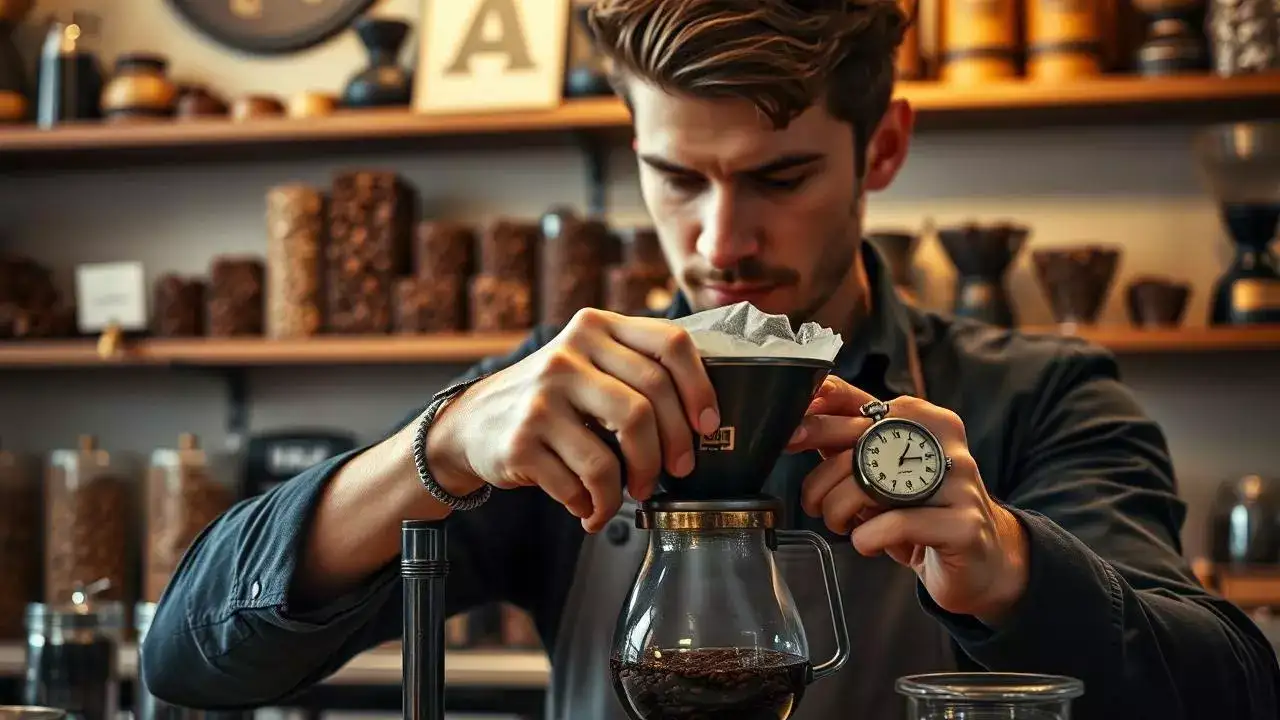
Brewing coffee is both an art and a science, and timing plays a crucial role in extracting the perfect balance of flavors. Whether you’re using a French press, pour-over, espresso machine, or AeroPress, getting the timing right can mean the difference between a bitter, over-extracted mess and a smooth, well-balanced cup.
In this article, we’ll explore why timing matters, how it affects your coffee’s taste, and the optimal brewing times for different methods.
Why Does Brewing Time Matter?
Coffee extraction is the process of dissolving flavors, oils, and compounds from coffee grounds into water. The duration of this process significantly impacts the taste:
Optimal Brewing Times for Different Methods
Each brewing method requires a different contact time between water and coffee grounds. Here’s a quick guide:
1. French Press (4-5 minutes)
2. Pour-Over (2.5-4 minutes)
3. Espresso (25-30 seconds)
4. AeroPress (1-2 minutes)
5. Cold Brew (12-24 hours)
Factors That Affect Brewing Time
Tips for Perfectly Timed Coffee
Timing isn’t just a small detail—it’s a critical factor in brewing great coffee at home. By understanding how extraction works and mastering the ideal brew times for your preferred method, you can elevate your daily cup from average to exceptional.
You may also like
- Why Indian Bullfrog Males Turn Bright Yellow in the Monsoon, and What That Colour Costs Them
- How Indian Antivenom Is Made: Snake Venom, Horse Plasma, and the Serum That Saves Lives
- India's Coastal Sea Snakes Are Highly Venomous, So Why Do They Almost Never Kill Anyone?
- 3 Rules for Giving a Colleague Feedback in an Indian Office Without Damaging the Bond
- Your Manager Is Disorganised and You Keep Taking the Blame: A Workplace Survival Guide
Brewing coffee is both an art and a science, and timing plays a crucial role in extracting the perfect balance of flavors. Whether you’re using a French press, pour-over, espresso machine, or AeroPress, getting the timing right can mean the difference between a bitter, over-extracted mess and a smooth, well-balanced cup.
In this article, we’ll explore why timing matters, how it affects your coffee’s taste, and the optimal brewing times for different methods.
Why Does Brewing Time Matter?
Coffee extraction is the process of dissolving flavors, oils, and compounds from coffee grounds into water. The duration of this process significantly impacts the taste:
- Under-Extraction (Too Short Brew Time):
- Weak, sour, or acidic taste
- Lack of body and complexity
- Missing sweetness and depth
- Over-Extraction (Too Long Brew Time):
- Bitter, harsh, or burnt flavors
- Unpleasant dryness on the tongue
- Loss of nuanced flavors
- The goal is to hit the "sweet spot"—where the right balance of acidity, sweetness, and bitterness is achieved.
Optimal Brewing Times for Different Methods
Each brewing method requires a different contact time between water and coffee grounds. Here’s a quick guide:
1. French Press (4-5 minutes)
- Coarse grind size
- Steep for 4 minutes for balanced flavor
- Over 5 minutes can lead to bitterness
2. Pour-Over (2.5-4 minutes)
- Medium-fine grind
- V60/Chemex: 2.5-3.5 minutes
- Kalita Wave: 3-4 minutes
- Too fast? Weak coffee. Too slow? Over-extracted.
3. Espresso (25-30 seconds)
- Fine grind, high pressure
- Ideal shot time: 25-30 seconds
- Under 20 seconds? Sour. Over 35? Bitter.
4. AeroPress (1-2 minutes)
- Versatile—can brew in as little as 1 minute (with stirring)
- Standard method: 2 minutes for richer flavor
5. Cold Brew (12-24 hours)
- Coarse grind, room temp or fridge
- 12-16 hours for lighter flavor
- 18-24 hours for stronger, smoother taste
Factors That Affect Brewing Time
- Several variables influence how long your coffee should brew:
- Grind Size: Finer grinds extract faster, coarser grinds take longer.
- Water Temperature: Ideal range is 195°F–205°F (90°C–96°C). Too hot? Over-extraction. Too cool? Under-extraction.
- Coffee-to-Water Ratio: More coffee = longer extraction needed.
- Agitation (Stirring): Speeds up extraction—useful in AeroPress or French press.
Tips for Perfectly Timed Coffee
- Use a Timer – Never guess; track your brew time for consistency.
- Adjust Grind Size – If coffee tastes bitter, grind coarser. If sour, grind finer.
- Experiment – Small tweaks in time can make a big difference.
- Pre-Wet (Bloom) Your Coffee – For pour-over, let grounds bloom for 30 seconds before full brewing.
Timing isn’t just a small detail—it’s a critical factor in brewing great coffee at home. By understanding how extraction works and mastering the ideal brew times for your preferred method, you can elevate your daily cup from average to exceptional.






Loving Newspoint? Download the app now
