
Brown Rice vs White Rice: Nutritional Differences, Health Benefits and Which One Should You Eat?

Rice is a staple in millions of households, particularly across Asia, where it features in everyday meals and traditional cuisines. However, the debate around brown rice vs white rice has become increasingly popular among health-conscious individuals. While brown rice is often recommended for its higher fibre content and nutritional value, white rice is frequently associated with refined carbohydrates and blood sugar fluctuations. But is brown rice always the healthier choice? Scientific research suggests that the answer depends on your nutritional needs, digestive health and eating habits.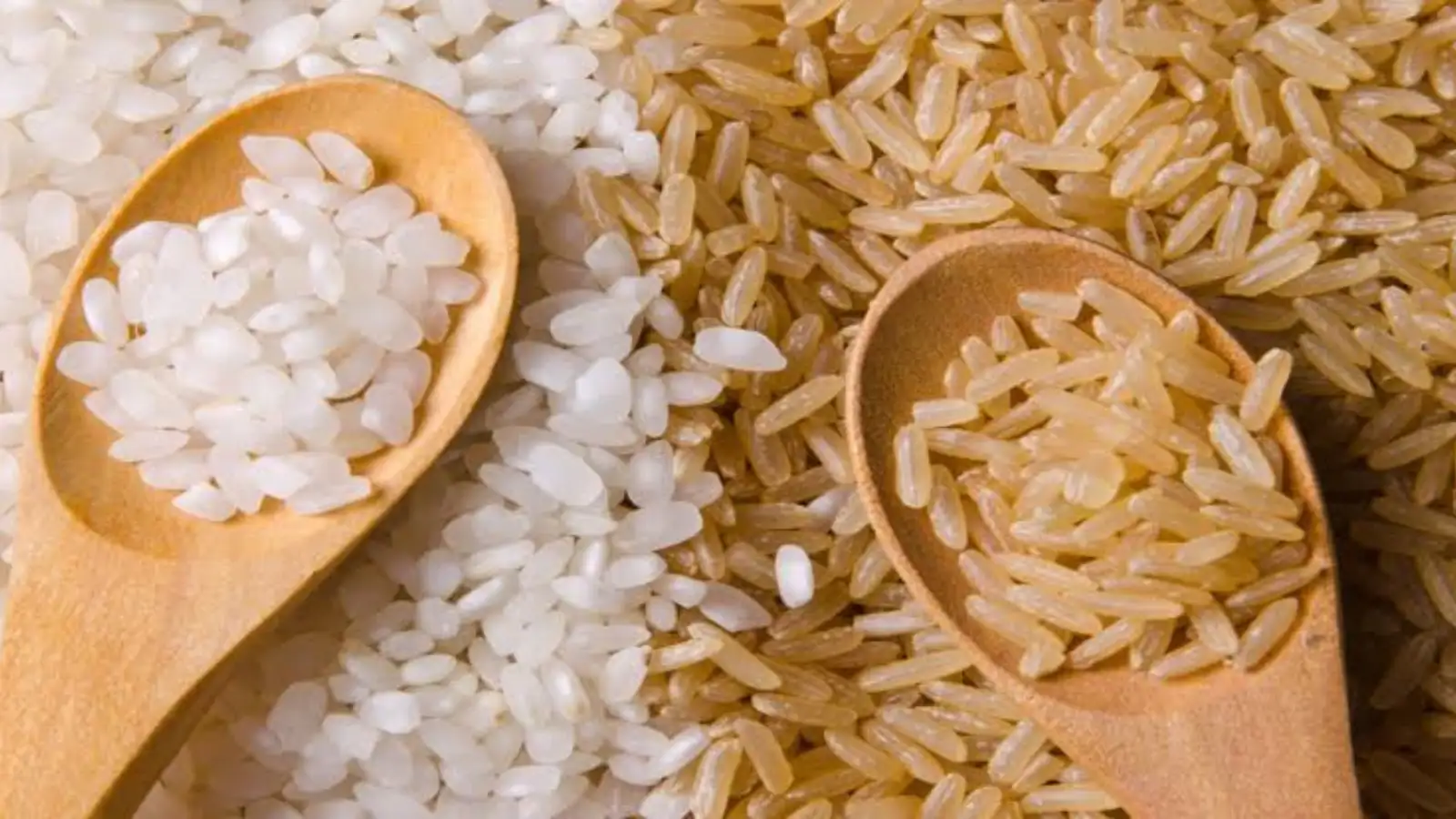
Brown rice is a whole grain that undergoes minimal processing. Only its inedible outer husk is removed, allowing it to retain the bran layer and nutrient-rich germ. These components contain dietary fibre, vitamins, minerals and natural antioxidant compounds.
White rice, on the other hand, undergoes additional milling and polishing. This process removes the bran and germ, leaving behind the starchy inner portion known as the endosperm.
The difference in processing also affects their cooking properties. White rice generally cooks faster, has a softer texture and stays fresh for longer when stored. Brown rice takes more time to cook and has a slightly chewy texture because of its intact bran layer.
Brown rice naturally contains more dietary fibre, magnesium, manganese, phosphorus and antioxidant compounds. Its fibre content supports digestion, helps maintain bowel regularity and can contribute to better metabolic health.
White rice contains less natural fibre because the bran and germ are removed during processing. However, it is not entirely devoid of nutrients. In several countries, including India, rice may be fortified or enriched with essential nutrients such as iron and B vitamins, including folate, thiamin and niacin.
Interestingly, the calorie and carbohydrate content of cooked brown rice and white rice is relatively similar. Therefore, choosing brown rice does not necessarily mean consuming significantly fewer calories. The more important distinction is how the body digests and absorbs the carbohydrates present in each variety.
Brown rice generally has a lower glycaemic impact than white rice because its intact bran layer contains fibre that slows digestion. This can result in a more gradual rise in blood sugar levels after meals.
Research has also explored the relationship between rice consumption and the risk of developing type 2 diabetes. A large observational study published in the Archives of Internal Medicine, led by Qi Sun and colleagues, found that higher white rice consumption was associated with an increased risk of type 2 diabetes among the populations studied. The researchers also observed that replacing some white rice with brown rice was associated with a lower risk.
Clinical research has further examined whether making this dietary switch can improve metabolic health. A randomised controlled trial led by Vasanti S. Malik and published in the British Journal of Nutrition investigated the effects of replacing white rice with brown rice among adults in India who were at risk of or living with type 2 diabetes.
Overall, dietary substitution studies suggest that brown rice can produce a more moderate post-meal blood sugar response. However, the actual impact depends on several factors, including portion sizes, total carbohydrate intake, physical activity and the other foods included in a meal.
Combining either brown rice or white rice with protein-rich foods such as dal, yoghurt, fish and poultry, along with vegetables and healthy fats, can help moderate the post-meal blood sugar response.
Another interesting aspect is how rice is cooked and stored. Cooking rice and then cooling it can increase the formation of resistant starch. Unlike regular starch, resistant starch is not completely broken down in the small intestine. Instead, it reaches the large intestine, where gut bacteria can ferment it.
This means that cooking methods, meal combinations and portion sizes can all influence the nutritional impact of rice, regardless of whether you choose the brown or white variety.
Rice plants can absorb inorganic arsenic from contaminated soil and water more readily than many other crops. This is partly because rice is commonly cultivated in flooded fields, where arsenic can become more available for absorption by plant roots.
The mineral tends to accumulate in the outer layers of the grain. Since brown rice retains its bran, it generally contains higher levels of total and inorganic arsenic than white rice, from which these outer layers have been removed.
A review published in Frontiers in Nutrition by Lihchyun Joseph Su and co-authors examined arsenic levels in brown rice and considered the balance between its nutritional advantages and potential exposure risks.
Long-term exposure to high levels of inorganic arsenic is associated with serious health concerns. This does not mean that brown rice is unsafe to eat, but it highlights the importance of maintaining dietary variety and following appropriate food preparation practices.
Rinsing rice thoroughly and cooking it in excess water, followed by draining, can help reduce arsenic levels. It is also worth paying attention to rice consumption among young children and pregnant individuals, as they may require additional care when it comes to dietary exposure.
When should you choose brown rice?
Brown rice can be a good option for healthy adults who want to increase their fibre intake. Its whole-grain composition provides additional minerals and antioxidants, while its fibre content can support digestive health and help moderate blood sugar responses.
It is particularly useful for people looking to include more whole grains in their everyday diet. However, those who are not accustomed to high-fibre foods may need to introduce it gradually.
It can also be a practical choice for people who prefer a softer grain or want to limit their exposure to arsenic from frequent rice consumption. However, this does not mean that white rice should be consumed without considering portion sizes and nutritional balance.
Research examining the relationship between white rice, brown rice and type 2 diabetes also highlights the importance of considering overall dietary patterns rather than focusing on a single food.
If you want more fibre and whole-grain nutrients, brown rice is worth including in your meals. If you prefer something lighter and easier to digest, white rice can serve as a suitable alternative.
The most practical approach is to enjoy both varieties according to your needs, maintain sensible portions and combine rice with vegetables, protein and other nutrient-rich foods. Ultimately, a healthy diet is about achieving balance and variety rather than completely eliminating a familiar staple from your plate.
How Are Brown Rice and White Rice Different?
Brown rice and white rice come from the same plant, scientifically known as Oryza sativa. The primary difference between them lies in how they are processed after harvesting.Brown rice is a whole grain that undergoes minimal processing. Only its inedible outer husk is removed, allowing it to retain the bran layer and nutrient-rich germ. These components contain dietary fibre, vitamins, minerals and natural antioxidant compounds.
White rice, on the other hand, undergoes additional milling and polishing. This process removes the bran and germ, leaving behind the starchy inner portion known as the endosperm.
The difference in processing also affects their cooking properties. White rice generally cooks faster, has a softer texture and stays fresh for longer when stored. Brown rice takes more time to cook and has a slightly chewy texture because of its intact bran layer.
Brown Rice vs White Rice: Nutritional Differences
When comparing brown rice and white rice, their nutritional composition is one of the biggest factors to consider.Brown rice naturally contains more dietary fibre, magnesium, manganese, phosphorus and antioxidant compounds. Its fibre content supports digestion, helps maintain bowel regularity and can contribute to better metabolic health.
White rice contains less natural fibre because the bran and germ are removed during processing. However, it is not entirely devoid of nutrients. In several countries, including India, rice may be fortified or enriched with essential nutrients such as iron and B vitamins, including folate, thiamin and niacin.
Interestingly, the calorie and carbohydrate content of cooked brown rice and white rice is relatively similar. Therefore, choosing brown rice does not necessarily mean consuming significantly fewer calories. The more important distinction is how the body digests and absorbs the carbohydrates present in each variety.
Does Brown Rice Help Control Blood Sugar Better?
One of the most widely discussed differences between brown rice and white rice is their effect on blood glucose levels.Brown rice generally has a lower glycaemic impact than white rice because its intact bran layer contains fibre that slows digestion. This can result in a more gradual rise in blood sugar levels after meals.
Research has also explored the relationship between rice consumption and the risk of developing type 2 diabetes. A large observational study published in the Archives of Internal Medicine, led by Qi Sun and colleagues, found that higher white rice consumption was associated with an increased risk of type 2 diabetes among the populations studied. The researchers also observed that replacing some white rice with brown rice was associated with a lower risk.
Clinical research has further examined whether making this dietary switch can improve metabolic health. A randomised controlled trial led by Vasanti S. Malik and published in the British Journal of Nutrition investigated the effects of replacing white rice with brown rice among adults in India who were at risk of or living with type 2 diabetes.
Overall, dietary substitution studies suggest that brown rice can produce a more moderate post-meal blood sugar response. However, the actual impact depends on several factors, including portion sizes, total carbohydrate intake, physical activity and the other foods included in a meal.
Why Your Meal Combination Matters
Eating rice on its own is different from consuming it as part of a balanced meal. What you pair it with can influence how quickly your body digests carbohydrates and absorbs glucose.Combining either brown rice or white rice with protein-rich foods such as dal, yoghurt, fish and poultry, along with vegetables and healthy fats, can help moderate the post-meal blood sugar response.
Another interesting aspect is how rice is cooked and stored. Cooking rice and then cooling it can increase the formation of resistant starch. Unlike regular starch, resistant starch is not completely broken down in the small intestine. Instead, it reaches the large intestine, where gut bacteria can ferment it.
This means that cooking methods, meal combinations and portion sizes can all influence the nutritional impact of rice, regardless of whether you choose the brown or white variety.
Brown Rice and White Rice: What About Arsenic?
While brown rice is often praised for its nutritional benefits, there is another factor worth considering: arsenic exposure.Rice plants can absorb inorganic arsenic from contaminated soil and water more readily than many other crops. This is partly because rice is commonly cultivated in flooded fields, where arsenic can become more available for absorption by plant roots.
The mineral tends to accumulate in the outer layers of the grain. Since brown rice retains its bran, it generally contains higher levels of total and inorganic arsenic than white rice, from which these outer layers have been removed.
A review published in Frontiers in Nutrition by Lihchyun Joseph Su and co-authors examined arsenic levels in brown rice and considered the balance between its nutritional advantages and potential exposure risks.
Long-term exposure to high levels of inorganic arsenic is associated with serious health concerns. This does not mean that brown rice is unsafe to eat, but it highlights the importance of maintaining dietary variety and following appropriate food preparation practices.
Rinsing rice thoroughly and cooking it in excess water, followed by draining, can help reduce arsenic levels. It is also worth paying attention to rice consumption among young children and pregnant individuals, as they may require additional care when it comes to dietary exposure.
You may also like
- Air Pollution and Headaches: How Poor AQI Can Trigger Migraines, Warning Signs and Ways to Protect Your Health
- Refrigerator Buying Guide 2026: Check These Essential Features for Better Cooling, Lower Power Bills and Longer Life
- Quote of the Day by Herman Melville, "I am, as I am; whether hideous, or handsome, depends..."
- A Vibrant Celebration of Indo-Japanese Friendship
- IICT, Wacom India sign MoU at IFFI to expand AVGC-XR education
Brown Rice vs White Rice: Which One Should You Choose?
There is no universal answer to which rice variety is healthier. The better option depends on your individual nutritional requirements, digestive health and overall eating pattern.When should you choose brown rice?
Brown rice can be a good option for healthy adults who want to increase their fibre intake. Its whole-grain composition provides additional minerals and antioxidants, while its fibre content can support digestive health and help moderate blood sugar responses.
It is particularly useful for people looking to include more whole grains in their everyday diet. However, those who are not accustomed to high-fibre foods may need to introduce it gradually.
When is white rice a better option?
White rice can be more suitable for people with sensitive digestion or those experiencing certain digestive conditions that require a temporary low-fibre diet. Since its bran layer has been removed, it is generally easier to digest.It can also be a practical choice for people who prefer a softer grain or want to limit their exposure to arsenic from frequent rice consumption. However, this does not mean that white rice should be consumed without considering portion sizes and nutritional balance.
The Final Verdict: You Don't Have to Give Up Either
The discussion around brown rice vs white rice should not be reduced to labelling one as healthy and the other as unhealthy. Both varieties can be part of a nutritious and balanced diet.Research examining the relationship between white rice, brown rice and type 2 diabetes also highlights the importance of considering overall dietary patterns rather than focusing on a single food.
If you want more fibre and whole-grain nutrients, brown rice is worth including in your meals. If you prefer something lighter and easier to digest, white rice can serve as a suitable alternative.
The most practical approach is to enjoy both varieties according to your needs, maintain sensible portions and combine rice with vegetables, protein and other nutrient-rich foods. Ultimately, a healthy diet is about achieving balance and variety rather than completely eliminating a familiar staple from your plate.






Loving Newspoint? Download the app now
