
Butter Recipe: How to Make Fresh Homemade Butter from Milk Cream Easily

Homemade butter is a simple way to add rich flavour and a creamy texture to everyday meals. With this easy Butter Recipe , you can turn the malai collected from boiled milk into fresh, creamy desi butter without buying expensive ingredients or using special equipment. All you need is milk cream, a little ice-cold water and a few minutes of preparation. The best part is that you also get fresh buttermilk, which can be used to prepare kadhi, soft rotis and several traditional Indian dishes.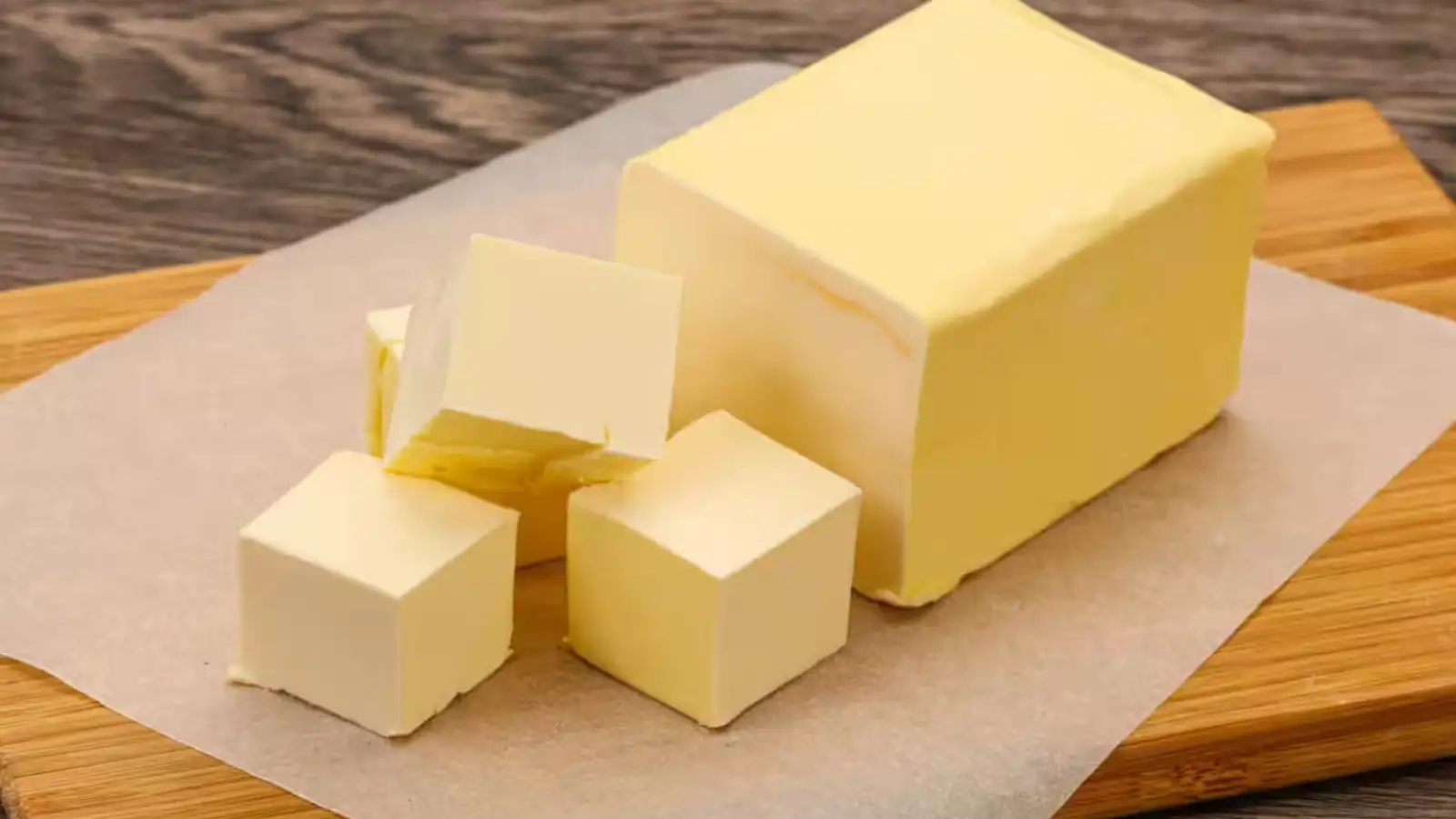
Transfer the cream to a clean, deep bowl. Using fresh, properly refrigerated cream helps improve the quality and flavour of the finished butter.
After some time, you will notice small yellowish or white butter granules separating from the liquid. The remaining liquid will resemble buttermilk. Keep churning until the butter gathers into distinct clumps.
Gently gather the separated butter using a clean spoon or your hands. If necessary, add a little more cold water to help separate the remaining butter from the buttermilk.
If you prefer salted butter, add a small amount of salt and mix it evenly. Gently press the butter to remove excess water, then shape it into a block or place it in a clean storage container.
Your fresh homemade desi butter is now ready to serve with parathas, rotis, dal or your favourite meals.
You can also use homemade butter in selected baking recipes and for cooking, depending on the flavour and texture you want to achieve.
Ingredients for Homemade Butter
You can make fresh homemade butter with just a few basic ingredients commonly available in Indian kitchens.- 2–3 cups of accumulated milk cream (malai)
- 1–2 cups of ice-cold water, as needed
- Salt to taste (optional)
How to Make Butter from Malai at Home
Making homemade desi butter is straightforward. Follow these simple steps to separate the butter from the liquid and achieve a smooth, creamy texture.Step 1: Prepare the Milk Cream
Take the chilled malai out of the refrigerator and let it soften slightly for around 10–20 minutes, depending on the room temperature. Avoid leaving it out for an extended period, particularly in hot weather.Transfer the cream to a clean, deep bowl. Using fresh, properly refrigerated cream helps improve the quality and flavour of the finished butter.
Step 2: Whisk or Churn the Cream
Start beating the cream with a hand whisk, traditional churner or electric beater. Continue churning until the cream becomes thicker and its texture begins to change.After some time, you will notice small yellowish or white butter granules separating from the liquid. The remaining liquid will resemble buttermilk. Keep churning until the butter gathers into distinct clumps.
Step 3: Add Ice-Cold Water
Once the butter begins separating clearly, add a little ice-cold water. The cold water helps the butter clumps come together, making them easier to collect from the liquid.Gently gather the separated butter using a clean spoon or your hands. If necessary, add a little more cold water to help separate the remaining butter from the buttermilk.
Step 4: Wash and Shape the Butter
Transfer the collected butter to a clean bowl and rinse it gently with cold, potable water. Repeat until most of the remaining buttermilk has been removed.If you prefer salted butter, add a small amount of salt and mix it evenly. Gently press the butter to remove excess water, then shape it into a block or place it in a clean storage container.
Your fresh homemade desi butter is now ready to serve with parathas, rotis, dal or your favourite meals.
How to Store Homemade Butter Properly
Proper storage is essential for keeping homemade butter fresh and reducing the risk of spoilage. Since homemade butter may retain some moisture and milk solids, it needs careful handling.- Use an airtight container: Store the butter in a clean, food-safe, airtight container.
- Refrigerate immediately: Keep it in the refrigerator at 4°C or below.
- Use clean utensils: Always take out butter with a clean, dry spoon to prevent contamination.
- Avoid prolonged exposure: Do not leave homemade butter at room temperature for extended periods, especially during warm weather.
- Check before use: Discard the butter if you notice an unusual smell, mould, discolouration or an unexpected change in texture.
How to Use Leftover Buttermilk After Making Butter
One of the best things about this homemade butter recipe is that it gives you another useful ingredient: buttermilk. Instead of throwing it away, you can use it in several everyday recipes.1. Prepare Traditional Kadhi
Use the leftover buttermilk as a base for Indian kadhi. Combine it with gram flour, spices and other ingredients, then cook thoroughly to make a comforting dish that pairs well with rice.2. Make Softer Rotis and Parathas
Replace some or all of the water in your regular dough with buttermilk, adjusting the quantity as needed. It can add a mild tanginess and help create a softer texture.3. Make Refreshing Spiced Buttermilk
Add roasted cumin powder, chopped mint and a little salt to the buttermilk. Mix well and serve chilled for a refreshing drink alongside meals.4. Add It to Everyday Cooking
Buttermilk can also be used in suitable gravies, marinades and traditional recipes. Its slightly tangy flavour works particularly well in dishes that benefit from a creamy, mildly acidic base.Benefits of Making Butter at Home
Preparing butter at home offers several practical advantages, especially if you regularly collect malai from milk.- Control over ingredients: You can decide whether to add salt and adjust the quantity according to your preference.
- Less food waste: Using accumulated milk cream helps make better use of an ingredient that might otherwise go unused.
- Two useful ingredients: The process provides both fresh butter and leftover buttermilk for cooking.
- No specialised equipment required: A traditional churner, whisk or electric beater is usually sufficient.
- Fresh taste: Homemade butter offers a rich, creamy flavour that pairs well with Indian breads and traditional meals.
What Can You Eat with Homemade Desi Butter?
Fresh desi butter can enhance the taste of several everyday Indian foods. Spread a little over hot rotis or parathas, add a small portion to dal, or serve it with makki ki roti and other traditional dishes.You can also use homemade butter in selected baking recipes and for cooking, depending on the flavour and texture you want to achieve.
Next Story