
Butter Vs Oil: Is One Really Harmful? Understanding The Truth Behind The Everyday Cooking Debate

For years, the butter vs oil debate has been presented as a simple choice between something harmful and something healthy. But nutrition is rarely that straightforward. Butter and oil are both sources of dietary fat and energy, yet their nutritional profiles can vary significantly. Butter generally contains more saturated fat, while many liquid plant oils are richer in unsaturated fats. According to nutrition experts, the more useful question is not whether one food should be completely avoided, but how much is consumed, what type of fat it provides and what it replaces in the overall diet. The cooking method and portion size matter, too.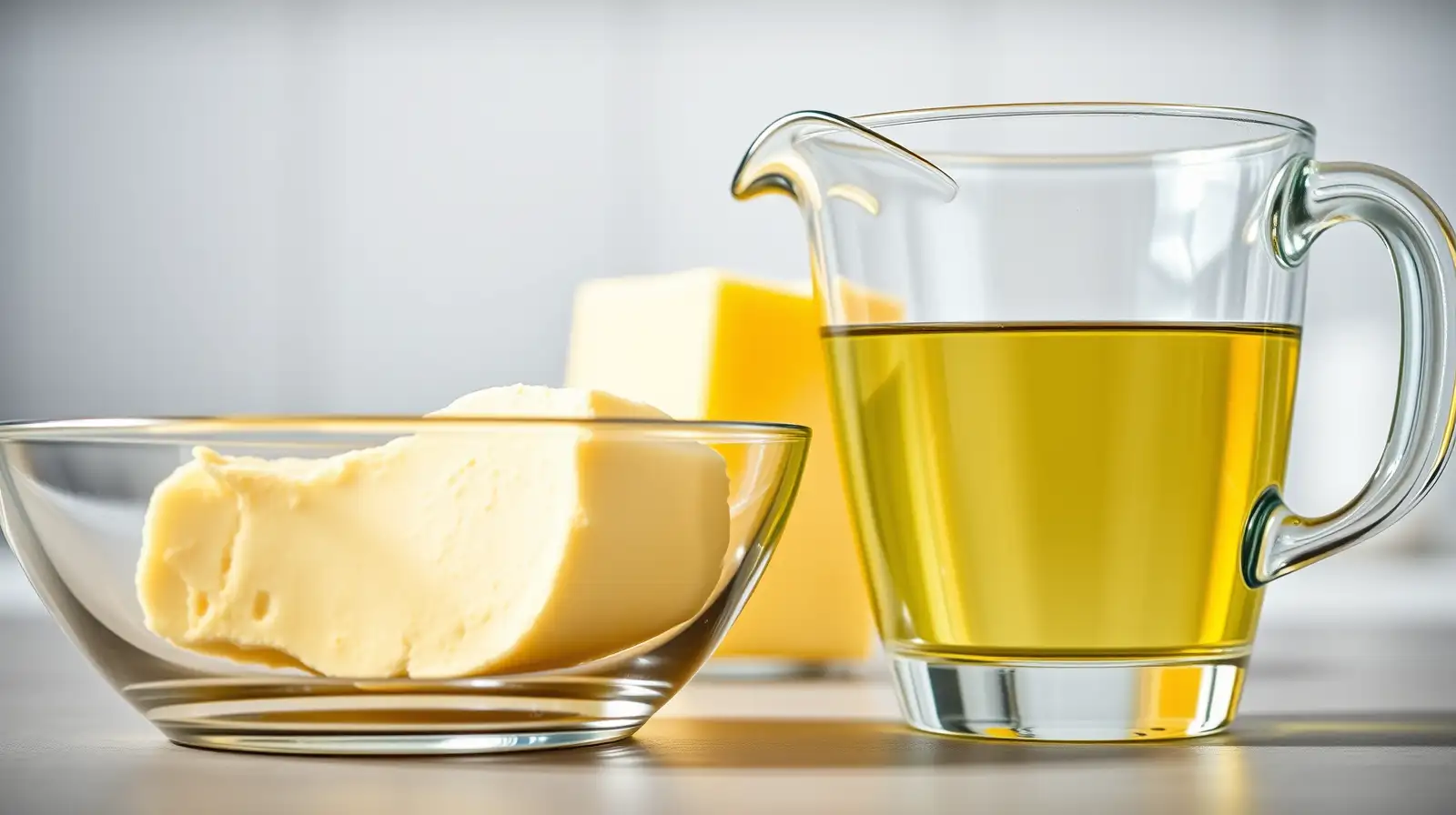
That does not mean eating butter occasionally automatically makes a meal unhealthy. According to dietitians, the overall dietary pattern is more important than treating a single ingredient as either a complete villain or a miracle food.
Butter can also add flavour and texture to meals, which is why many people continue to use it in moderation. The key is avoiding excessive use, particularly when a diet already contains several other sources of saturated fat.
Unsaturated fats are generally considered a preferable choice to saturated fats when used as part of a balanced eating pattern. According to experts, replacing some foods high in saturated fat with sources of unsaturated fat may be more beneficial than simply adding extra oil to the diet.
Oil, however, is not calorie-free. Using large quantities can significantly increase the energy content of a meal, regardless of whether the oil is considered a healthier option.
At the same time, not all fats have the same nutritional profile. Industry watchers note that the quality of the overall diet, portion sizes and the balance between different types of fat are more useful considerations than labelling every food as simply ‘good’ or ‘bad’.
Ultimately, the healthiest approach is to focus on variety, sensible portions and the overall quality of meals. The butter vs oil debate is less about declaring one ingredient completely harmful and more about understanding how different cooking fats fit into a balanced diet.
Why Butter Gets A Bad Reputation
Butter is a dairy product that contains saturated fat. Health authorities generally recommend limiting excessive intake of saturated fat because high consumption can raise low-density lipoprotein (LDL) cholesterol in many people.That does not mean eating butter occasionally automatically makes a meal unhealthy. According to dietitians, the overall dietary pattern is more important than treating a single ingredient as either a complete villain or a miracle food.
Butter can also add flavour and texture to meals, which is why many people continue to use it in moderation. The key is avoiding excessive use, particularly when a diet already contains several other sources of saturated fat.
Is All Oil Automatically Healthy?
The word ‘oil’ covers a wide range of products, and their nutritional profiles are not identical. Many liquid plant oils, including olive, rapeseed, sunflower and soybean oils, contain more unsaturated fats than butter.You may also like
- Scientists are racing to save a coral before it's gone: Why is elkhorn coral so special?
- Japan's incredible 'hibakujumoku': These trees survived the Hiroshima atomic bomb in 1945, and they're still alive today
- Exploring Adventure Tourism in India: A Journey Beyond Landmarks
- Essential Dental Care Tips for Seasonal Sensitivity
- Essential Monsoon Safety Tips for Expecting Mothers
Unsaturated fats are generally considered a preferable choice to saturated fats when used as part of a balanced eating pattern. According to experts, replacing some foods high in saturated fat with sources of unsaturated fat may be more beneficial than simply adding extra oil to the diet.
Oil, however, is not calorie-free. Using large quantities can significantly increase the energy content of a meal, regardless of whether the oil is considered a healthier option.
The Myth Of Completely ‘Good’ Or ‘Bad’ Fats
One of the biggest misconceptions in the butter vs oil debate is that all dietary fat is harmful. Fat performs important functions in the body, including helping with the absorption of certain fat-soluble vitamins.At the same time, not all fats have the same nutritional profile. Industry watchers note that the quality of the overall diet, portion sizes and the balance between different types of fat are more useful considerations than labelling every food as simply ‘good’ or ‘bad’.
So, Which One Should You Choose?
For everyday cooking, oils higher in unsaturated fats may generally be a preferable choice to fats that are higher in saturated fat. Butter can still have a place in a balanced diet when consumed in moderation.Ultimately, the healthiest approach is to focus on variety, sensible portions and the overall quality of meals. The butter vs oil debate is less about declaring one ingredient completely harmful and more about understanding how different cooking fats fit into a balanced diet.






Loving Newspoint? Download the app now
