
C-Section Delivery: Reasons, Recovery, and What to Expect


The experience of childbirth might not be the same for everyone. Normally, the baby enters the world through the birth canal after labour. But if there are certain complications, your doctor may consider a C-section delivery as a safer option for you, your baby, or both.
Although it is a common procedure, it is still a major surgery. So, naturally, you may have questions about why it is needed, what happens during surgery, and how long recovery may take.
What Is a Caesarean Section?
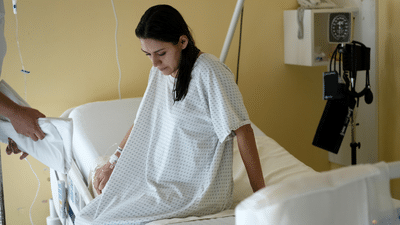
A C-section can also be called a Caesarean section or caesarean delivery. It is a surgical procedure in which cuts are made in the abdomen and uterus to deliver the baby. Doctors generally choose this option only when a vaginal delivery isn’t safe or when your or your baby’s health is at risk.
However, sometimes unexpected complications arise during labour. Then, an emergency C-section may become necessary.
Common Features of a C-Section
When Might You Need a Caesarean Section?
The following are the conditions in which C-section delivery is planned:

Transverse lie: The baby lies in a horizontal, or sideways, position inside your uterus.
Breech presentation: The baby’s feet or bottom faces the birth canal. If attempts to turn your baby fail, a C-section is planned.
Health conditions: Certain underlying conditions, such as heart disease, may worsen during labour. Also, if you have genital herpes at the time of delivery, a C-section may become necessary.
Obstruction: Certain obstructions like a large uterine fibroid or a pelvic fracture may complicate the passage of your baby through the birth canal. You may also need a C-section if you are expecting a baby with certain congenital anomalies.
Sometimes, an emergency C-section delivery may be necessary due to certain conditions that can occur during your labour. These are:
Knowing what happens during surgery may help ease some anxiety.
Before the SurgeryBefore the procedure:
During the Surgery
The doctor usually makes:
A horizontal cut in the lower abdomen
Another cut in the uterus
Then, your baby is delivered carefully through the opening.
You may feel:
After your baby is delivered:
In most cases, you remain awake during the surgery. So, you may hear your baby’s first cry soon after birth.
Your baby may be placed skin-to-skin if both of you are stable.
Early breastfeeding is often encouraged because it may support bonding and milk production.
Short-Term Recovery After a Caesarean Section
Recovery may feel physically and emotionally demanding initially. However, gradual improvement usually happens over the next few weeks.
Common Symptoms During Recovery
You may experience:
Tips That May Support Recovery
Physical Care
You should contact your doctor if you notice any concerning signs, such as:
You may experience:
Possible Risks and ComplicationsMost C-sections happen safely. However, like all surgeries, some risks remain.
Short-Term Risks
Risks for the BabyIn some cases, babies born by planned C-section before labour starts may have mild, temporary breathing difficulty.
However, serious complications are uncommon when surgery happens in a proper medical setting.
Returning to Daily Activities After a C-Section
A full recovery may take around four to six weeks.
Your doctor might recommend that you refrain from lifting heavy objects, high-intensity workouts, or strenuous physical activity for several weeks.
You may be advised not to drive for several weeks or until you can move comfortably without pain.
You may expect cramping and vaginal bleeding for around six weeks. You may feel discomfort around the incision.
You will be advised to rest and avoid sexual activity until healing improves, often for around 6 weeks.
However, you will normally shed your uterine lining. Such discharge is called 'lochia' (initially red and gradually turns yellow).
Long-Term Considerations After a C-Section
You may have:
Most people gradually return to normal activities within weeks.
Still, recovery timelines vary. Some may recover faster physically, while others may need more emotional support.
C-sections are generally planned to safeguard the health of you and your baby as per the circumstances. Whether it’s a planned or emergency C-section, discussing everything with your obstetrician may help you navigate better.
The best recovery tip is to rest properly and accept help from others while you recover.
Whether you’re pregnant, a new mom, or navigating postpartum, you don’t have to do it alone. Join our support group to connect, share, and support one another.
FAQs on C-Section Delivery: Reasons, Recovery, and What to ExpectIs a caesarean section more painful than a normal delivery?
Pain experiences differ for everyone. During a C-section, anaesthesia prevents surgical pain. However, recovery pain afterwards may last longer compared to vaginal delivery.How long does complete recovery take after a C-section?
Initial healing usually happens within 6 weeks. However, complete recovery sometimes takes longer. Can you have a normal delivery after one caesarean section?
Yes, many people may have a vaginal birth after caesarean (VBAC). However, suitability depends on various factors.
Although it is a common procedure, it is still a major surgery. So, naturally, you may have questions about why it is needed, what happens during surgery, and how long recovery may take.
What Is a Caesarean Section?
A C-section can also be called a Caesarean section or caesarean delivery. It is a surgical procedure in which cuts are made in the abdomen and uterus to deliver the baby. Doctors generally choose this option only when a vaginal delivery isn’t safe or when your or your baby’s health is at risk.
However, sometimes unexpected complications arise during labour. Then, an emergency C-section may become necessary.
Common Features of a C-Section
| Aspect | Details |
| Type of procedure | Major abdominal surgery |
| Anaesthesia used | Usually spinal or epidural anaesthesia |
| Average duration | Around 45 minutes to 1 hour |
| Hospital stay | Usually 3 to 5 days |
| Recovery period | Often, around 6 weeks |
When Might You Need a Caesarean Section?
The following are the conditions in which C-section delivery is planned:
- Cephalopelvic disproportion (CPD): Your baby may not fit safely through the pelvis during labour.
- Previous C-section: Your doctor will assess whether another C-section will be a safe option or not.
- Multiple pregnancy: A thorough evaluation is done before proceeding with the delivery.
- Placenta previa: It is a condition in which the placenta is attached too low in the uterus. This may block your baby’s passage through your cervix.
- Labour isn’t progressing: Labour slows down or stops.
- Umbilical cord compression: The umbilical cord gets compressed, limiting the oxygen supply to the baby.
- Umbilical cord prolapse: The umbilical cord comes out before your baby.
- Placental abruption: The placenta gets separated from the uterine wall before the baby's birth.
- Foetal distress: The baby may show signs of distress, such as an abnormal heart rate.
Knowing what happens during surgery may help ease some anxiety.
Before the SurgeryBefore the procedure:
- You may be asked not to eat for several hours
- Blood tests may be done
- Your abdomen may be cleaned and prepared
- A urinary catheter may be inserted temporarily
- Anaesthesia is given to numb the lower body
During the Surgery
The doctor usually makes:
You may feel:
- Pulling sensations
- Pressure
- Mild tugging
After your baby is delivered:
- The umbilical cord is cut
- The placenta is removed
- The cuts are stitched carefully
In most cases, you remain awake during the surgery. So, you may hear your baby’s first cry soon after birth.
Your baby may be placed skin-to-skin if both of you are stable.
Early breastfeeding is often encouraged because it may support bonding and milk production.
Short-Term Recovery After a Caesarean Section
Recovery may feel physically and emotionally demanding initially. However, gradual improvement usually happens over the next few weeks.
Common Symptoms During Recovery
You may experience:
- Pain near the incision
- Tiredness
- Vaginal bleeding for several weeks
- Difficulty moving initially
- Constipation or bloating
Tips That May Support Recovery
Physical Care
- Walk slowly when advised
- Drink enough fluids
- Eat fibre-rich foods
- Avoid lifting heavy objects
- Support your abdomen while coughing or laughing
You should contact your doctor if you notice any concerning signs, such as:
- Prolonged or heavy bleeding
- Passing thick clots
- Fever
- An unusual increase in pain intensity
- Foul-smelling vaginal discharge
- Bleeding from the incision site
You may experience:
- Mood swings
- Guilt
- Anxiety
- Unexpected sadness
Possible Risks and ComplicationsMost C-sections happen safely. However, like all surgeries, some risks remain.
Short-Term Risks
| Possible Complication | What It May Involve |
| Infection | Wound or uterine infection |
| Heavy bleeding | Sometimes needing extra treatment |
| Blood clots | Usually in the legs or lungs |
| Reaction to anaesthesia | Rare but possible |
| Delayed bowel movement | Temporary digestive slowing |
Risks for the BabyIn some cases, babies born by planned C-section before labour starts may have mild, temporary breathing difficulty.
However, serious complications are uncommon when surgery happens in a proper medical setting.
Returning to Daily Activities After a C-Section
A full recovery may take around four to six weeks.
Your doctor might recommend that you refrain from lifting heavy objects, high-intensity workouts, or strenuous physical activity for several weeks.
You may be advised not to drive for several weeks or until you can move comfortably without pain.
You may expect cramping and vaginal bleeding for around six weeks. You may feel discomfort around the incision.
You will be advised to rest and avoid sexual activity until healing improves, often for around 6 weeks.
However, you will normally shed your uterine lining. Such discharge is called 'lochia' (initially red and gradually turns yellow).
Long-Term Considerations After a C-Section
You may have:
- A scar on the uterus
- Slightly increased risk of placenta-related complications
- Higher chance of repeat C-section in some situations
Most people gradually return to normal activities within weeks.
Still, recovery timelines vary. Some may recover faster physically, while others may need more emotional support.
C-sections are generally planned to safeguard the health of you and your baby as per the circumstances. Whether it’s a planned or emergency C-section, discussing everything with your obstetrician may help you navigate better.
The best recovery tip is to rest properly and accept help from others while you recover.
Whether you’re pregnant, a new mom, or navigating postpartum, you don’t have to do it alone. Join our support group to connect, share, and support one another.
FAQs on C-Section Delivery: Reasons, Recovery, and What to Expect
Pain experiences differ for everyone. During a C-section, anaesthesia prevents surgical pain. However, recovery pain afterwards may last longer compared to vaginal delivery.
Initial healing usually happens within 6 weeks. However, complete recovery sometimes takes longer.
Yes, many people may have a vaginal birth after caesarean (VBAC). However, suitability depends on various factors.
Next Story