
Can Diabetics Eat Chickoo Daily? What You Need To Know

Chickoo, also called sapota, is a naturally sweet, soft fruit rich in vitamins A, B, C, and E, as well as minerals like calcium and magnesium. Its fibre and antioxidants support digestion, immunity, and overall wellness. But for people with diabetes, the fruit’s natural sugar content raises important questions about blood sugar control. Here’s a guide to consuming chickoo safely.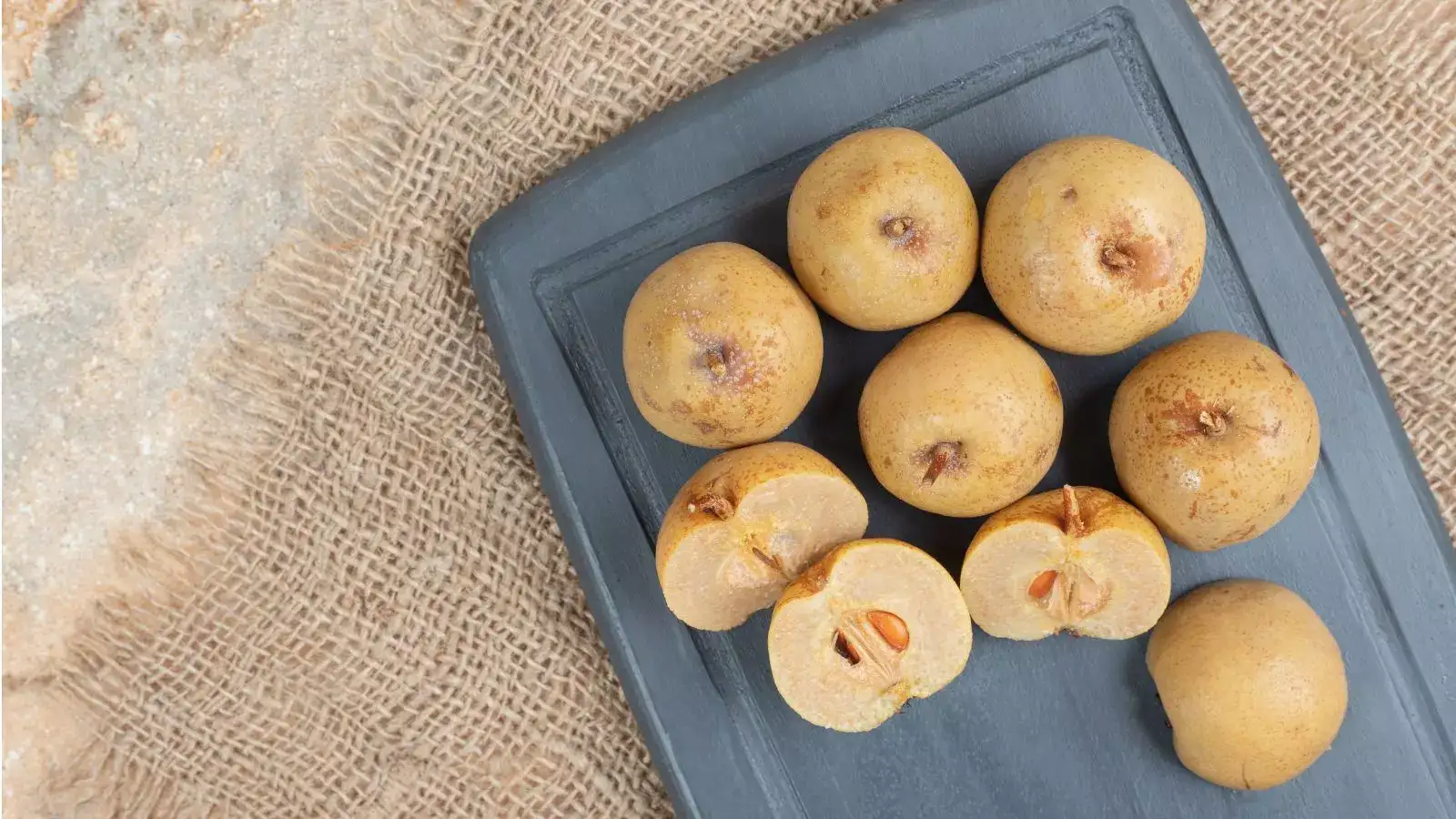
1. Nutritional Powerhouse
Despite its brown skin, chickoo packs a punch. It contains essential vitamins and minerals, including calcium, magnesium, potassium, and manganese. Its antioxidants and fibre support digestion, protect against oxidative stress, and help maintain overall health.
2. Heart and Digestive Health
Chickoo is known to improve heart health, aid digestion, and relieve issues like constipation, bloating, and diarrhoea. Its anti-inflammatory properties can help reduce swelling, while its nutrients support immunity and regulate blood pressure.
4. Potential Benefits in Pregnancy
Sapota may help reduce nausea and dizziness in pregnant women. Its gentle nutrients and fibre can support overall wellness during gestation, but always consult a doctor before including it in your diet.
5. High Glycaemic Load
Chickoo contains high natural sugar levels and a high glycaemic load. Eating it in large quantities can spike blood glucose levels, which is why diabetics must be cautious.
6. Medical Advice Is Essential
People with poorly controlled diabetes are advised to avoid chickoo entirely. Those with controlled diabetes should only consume very small portions under medical guidance to prevent blood sugar fluctuations.
7. Allergy and Sensitivity Risks
Sapota contains latex and tannins, which may trigger allergic reactions in some individuals. First-time consumers should eat cautiously and monitor any reactions.
8. Weight Considerations
The fruit is calorie-dense and can contribute to weight gain if eaten in excess. Diabetics or those on weight-loss diets may prefer low-sugar fruits like guava, berries, or apples as safer alternatives.
9. Safe Consumption Tips
If you plan to include chickoo in your diet, pair it with protein or fibre-rich foods to slow glucose absorption. Limit intake to small portions and track blood sugar levels after consumption.
10. Summary Advice
Chickoo offers several health benefits but is not automatically safe for daily consumption by diabetics. Moderation and professional guidance are key to enjoying this fruit without impacting blood sugar.
Disclaimer: Newspoint is not responsible for any health outcomes. Always consult a doctor or certified nutritionist before making dietary changes, especially if you have diabetes or other health conditions.
1. Nutritional Powerhouse
Despite its brown skin, chickoo packs a punch. It contains essential vitamins and minerals, including calcium, magnesium, potassium, and manganese. Its antioxidants and fibre support digestion, protect against oxidative stress, and help maintain overall health. 2. Heart and Digestive Health
Chickoo is known to improve heart health, aid digestion, and relieve issues like constipation, bloating, and diarrhoea. Its anti-inflammatory properties can help reduce swelling, while its nutrients support immunity and regulate blood pressure.3. Energy Boost
The fruit’s natural sugars, fructose and sucrose, provide quick energy, making it useful for people who feel fatigued or engage in regular physical activity. It also has vitamin E and antioxidants that act as natural anti-ageing agents.4. Potential Benefits in Pregnancy
Sapota may help reduce nausea and dizziness in pregnant women. Its gentle nutrients and fibre can support overall wellness during gestation, but always consult a doctor before including it in your diet.You may also like
- There will be no rush for LPG cylinders; see which sector is on the government's list.
- After Decades of Service, Employee's Final Day at Work Leaves Internet Emotional
- How much is Air India increasing the fuel surcharge on a ticket? How much will this make tickets more expensive?
- SSY: Under this government scheme, Rs 200 will help you accumulate Rs 40 lakh for your daughter..
- From Shivhar to Patna, find out how much an LPG cylinder costs in each city of Bihar.
5. High Glycaemic Load
Chickoo contains high natural sugar levels and a high glycaemic load. Eating it in large quantities can spike blood glucose levels, which is why diabetics must be cautious. 6. Medical Advice Is Essential
People with poorly controlled diabetes are advised to avoid chickoo entirely. Those with controlled diabetes should only consume very small portions under medical guidance to prevent blood sugar fluctuations. 7. Allergy and Sensitivity Risks
Sapota contains latex and tannins, which may trigger allergic reactions in some individuals. First-time consumers should eat cautiously and monitor any reactions. 8. Weight Considerations
The fruit is calorie-dense and can contribute to weight gain if eaten in excess. Diabetics or those on weight-loss diets may prefer low-sugar fruits like guava, berries, or apples as safer alternatives.9. Safe Consumption Tips
If you plan to include chickoo in your diet, pair it with protein or fibre-rich foods to slow glucose absorption. Limit intake to small portions and track blood sugar levels after consumption. 10. Summary Advice
Chickoo offers several health benefits but is not automatically safe for daily consumption by diabetics. Moderation and professional guidance are key to enjoying this fruit without impacting blood sugar. Disclaimer: Newspoint is not responsible for any health outcomes. Always consult a doctor or certified nutritionist before making dietary changes, especially if you have diabetes or other health conditions.






More from our partners


Loving Newspoint? Download the app now
