
Can Eating More Fermented Foods Improve Gut Health and Boost Immunity?

In recent years, the conversation surrounding wellness and nutrition has focused heavily on the importance of digestive wellness. From glowing social media posts about kombucha to supermarket shelves packed with traditional yoghurt and kefir, gut-friendly options are everywhere. However, behind this modern health trend lies an ancient culinary practice that humans have relied upon for thousands of years.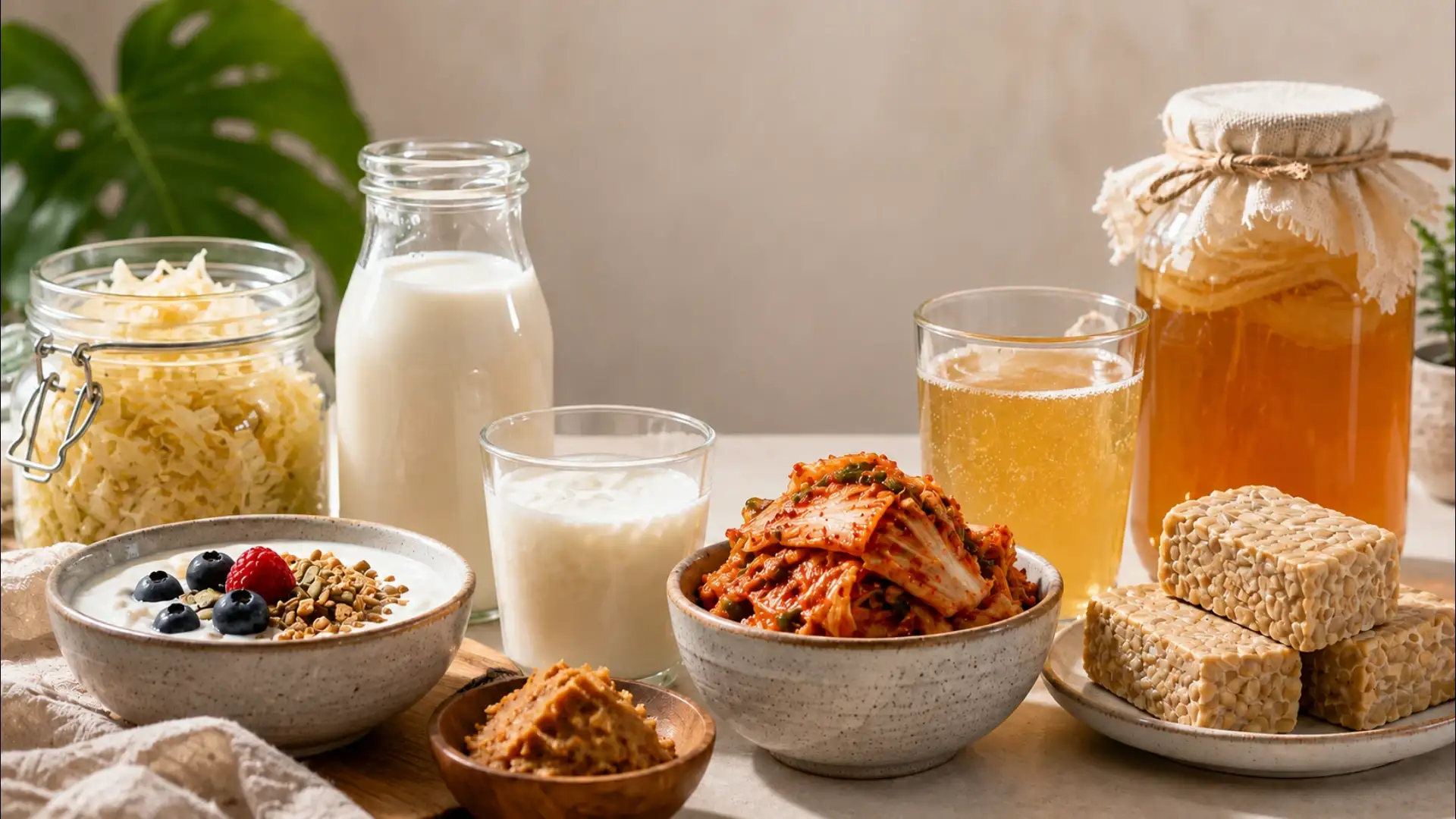
Understanding whether eating fermented foods can improve gut health requires looking at how these unique dishes affect our internal ecosystem. Your digestive system is home to trillions of microscopic organisms, collectively known as the gut microbiome . These friendly bacteria play a critical role in digesting food, absorbing essential nutrients, supporting immune function, and even influencing mood. Including traditional fermented options in your daily diet is one of the most effective ways to support these beneficial microbes.
When you consume traditional cultured products, you ingest living microorganisms known as probiotics. These friendly bacteria travel through your stomach and join the existing bacterial community in your gut. By populating your digestive tract with helpful microbes, fermented choices help maintain a balanced microbial population, preventing harmful bacteria from taking over and causing digestive distress.
First, these nutrient-dense items significantly improve digestion. Live bacteria assist in breaking down complex foods that are otherwise difficult for the body to process. For example, the fermentation process breaks down lactose in milk, making products like kefir and natural yoghurt much easier to digest for lactose-intolerant individuals.
Second, maintaining a robust population of beneficial bacteria helps strengthen your immune system. A large portion of your body's immune cells resides within the lining of your gut. By nourishing friendly bacteria, you help your body resist common infections and reduce systemic inflammation.
Natural yoghurt with live, active cultures is one of the most accessible starting points. For those who prefer non-dairy options, water kefir or traditional coconut yoghurt provides similar benefits. Sauerkraut and kimchi, which are made from fermented cabbage and vegetables, add a delicious tangy crunch to salads, sandwiches, and grain bowls. Other excellent choices include live kombucha. tea, traditional miso soup, and tempeh, which serves as a nutrient-rich protein source for plant-based diets.
Begin by adding a single tablespoon of sauerkraut or half a glass of kefir to your daily diet. Gradually increase your intake over several weeks to allow your microbiome time to adapt. Additionally, ensure you select unpasteurised varieties found in the refrigerated section of your local food shop, as heat treatment destroys the beneficial live bacteria that make these foods so powerful for digestive health .
Understanding whether eating fermented foods can improve gut health requires looking at how these unique dishes affect our internal ecosystem. Your digestive system is home to trillions of microscopic organisms, collectively known as the gut microbiome . These friendly bacteria play a critical role in digesting food, absorbing essential nutrients, supporting immune function, and even influencing mood. Including traditional fermented options in your daily diet is one of the most effective ways to support these beneficial microbes.
What Are Fermented Foods and How Do They Work
Fermentation is a natural process where microorganisms like bacteria and yeast break down food components such as sugars and carbohydrates. This biochemical transformation preserves the food, enhances its flavor, and creates beneficial compounds like organic acids and live enzymes.When you consume traditional cultured products, you ingest living microorganisms known as probiotics. These friendly bacteria travel through your stomach and join the existing bacterial community in your gut. By populating your digestive tract with helpful microbes, fermented choices help maintain a balanced microbial population, preventing harmful bacteria from taking over and causing digestive distress.
Key Health Benefits of Including Fermented Options in Your Diet
Regularly eating cultured items offers numerous advantages that extend far beyond simple digestive comfort. A healthy and diverse microbiome supports almost every major system in the human body.You may also like
- Train News: 3AC, Sleeper, or Chair Car? Which is best for a long train journey?
- Deposit money just once in this Post Office scheme offering 7.4% interest and receive ₹6,000 every month..
- Is your ticket still on the RAC list? Don't worry—the Railways has made major arrangements for you too..
- An application for the Delhi Lakshmi Yojana will be accepted only if the account is held with one of these 19 banks..
- Bespoke menswear is having a moment in India's luxury fashion market, say designers Bharat and Reshma Grover
First, these nutrient-dense items significantly improve digestion. Live bacteria assist in breaking down complex foods that are otherwise difficult for the body to process. For example, the fermentation process breaks down lactose in milk, making products like kefir and natural yoghurt much easier to digest for lactose-intolerant individuals.
Second, maintaining a robust population of beneficial bacteria helps strengthen your immune system. A large portion of your body's immune cells resides within the lining of your gut. By nourishing friendly bacteria, you help your body resist common infections and reduce systemic inflammation.
Popular Fermented Foods You Can Easily Add to Daily Meals
You do not need to make drastic lifestyle changes to enjoy the benefits of live cultures. Introducing small portions of traditional fermented options into your regular meals can produce noticeable improvements over time.Natural yoghurt with live, active cultures is one of the most accessible starting points. For those who prefer non-dairy options, water kefir or traditional coconut yoghurt provides similar benefits. Sauerkraut and kimchi, which are made from fermented cabbage and vegetables, add a delicious tangy crunch to salads, sandwiches, and grain bowls. Other excellent choices include live kombucha. tea, traditional miso soup, and tempeh, which serves as a nutrient-rich protein source for plant-based diets.
Simple Tips for Safely Increasing Live Cultures in Your Lifestyle
If you are new to consuming cultured products, it is wise to start slowly. Introducing large amounts of live bacteria too quickly can occasionally cause mild, temporary bloating or gas as your digestive system adjusts to the new microbial balance.Begin by adding a single tablespoon of sauerkraut or half a glass of kefir to your daily diet. Gradually increase your intake over several weeks to allow your microbiome time to adapt. Additionally, ensure you select unpasteurised varieties found in the refrigerated section of your local food shop, as heat treatment destroys the beneficial live bacteria that make these foods so powerful for digestive health .






Loving Newspoint? Download the app now
