
Can Grapefruit Juice Help Lose Belly Fat? Benefits, Myths and Risks Explained

Grapefruit juice has long been associated with weight loss, with some people believing that drinking a glass before meals can help burn belly fat. This idea gained popularity during the era of fad diets, when grapefruit was promoted as a simple solution for shedding extra kilos. But does grapefruit juice really help reduce belly fat, or is its reputation based on a myth? While this tangy drink contains beneficial nutrients and plant compounds, its role in weight management is more complicated than it may seem.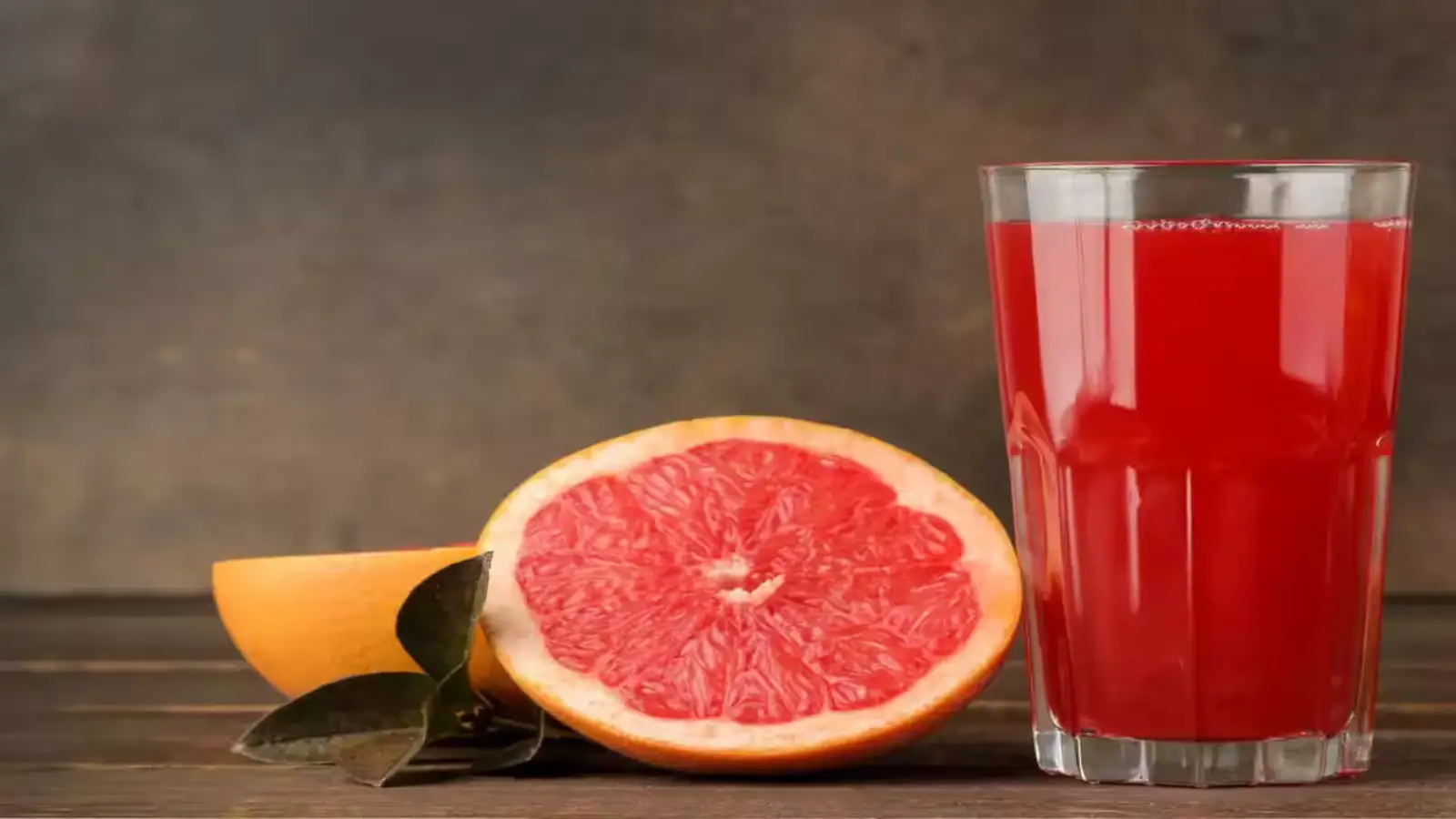
However, grapefruit can be part of a balanced weight-loss diet. Its relatively low calorie content and refreshing taste make it an alternative to sugary beverages. Some research has explored whether consuming grapefruit before meals can support weight management, but the evidence is not strong enough to establish grapefruit juice as an effective standalone weight-loss treatment.
The important distinction is that grapefruit may help support healthy eating habits, but it cannot specifically target fat around the stomach.
Drinking a small serving of unsweetened grapefruit juice before a meal adds fluid to the stomach. This may contribute to a temporary feeling of fullness, although the effect varies from person to person. If it helps someone eat less during a meal, it could indirectly support their weight-management efforts.
However, juice alone may not provide lasting fullness because it contains much less fibre than whole fruit. Drinking it quickly also requires less chewing than eating a grapefruit.
For better appetite control, combining whole fruits, vegetables, whole grains and protein-rich foods in regular meals is generally a more reliable approach.
Some preliminary research has investigated grapefruit's possible relationship with blood sugar regulation and insulin sensitivity. However, this does not mean that drinking grapefruit juice reliably prevents blood sugar spikes or stops the body from storing fat.
Fruit juice also contains naturally occurring sugars, and its effects on blood glucose can vary depending on the serving size, the person's health and what they consume alongside it.
People managing diabetes or blood sugar concerns should consider portion sizes and seek individual dietary advice rather than relying on grapefruit juice as a treatment.
Belly fat reduction is more likely to result from consistent lifestyle habits, including a balanced diet, regular physical activity, adequate sleep and sustainable calorie control.
If grapefruit helps you replace a high-calorie drink or makes it easier to maintain healthy eating habits, it can have a place in your routine. However, adding grapefruit juice to your diet without making other adjustments is unlikely to produce significant weight loss.
Grapefruit contains compounds called furanocoumarins that can interfere with an intestinal enzyme known as CYP3A4. This enzyme helps the body break down certain medications. When grapefruit inhibits the enzyme, some medicines may enter the bloodstream in higher amounts than intended, increasing the risk of side effects.
The interaction can affect certain medicines, including:
If you take prescription medication regularly, consult your doctor or pharmacist before consuming grapefruit or its juice. Simply drinking a small glass or separating it from your medicine by a few hours may not prevent the interaction.
Here are a few practical tips:
Grapefruit juice may be a refreshing addition to a healthy diet, but it is not a miracle solution for losing belly fat. Although its nutrients and plant compounds are being studied for their potential health benefits, there is insufficient evidence that drinking it before meals directly causes meaningful fat loss.
For better appetite control, whole grapefruit is generally a more useful choice because it retains more fibre. Pair it with balanced meals, regular exercise and sustainable lifestyle changes for a more practical approach to weight management.
Most importantly, check for potential medication interactions before consuming grapefruit regularly. A simple dietary habit can have unexpected consequences when combined with certain prescription drugs.
Does Grapefruit Juice Really Help With Weight Loss?
Grapefruit juice is not a magic fat-burning drink. No specific enzyme in the juice can melt away belly fat or make the body burn calories effortlessly. Sustainable weight loss generally depends on maintaining a calorie deficit, which means consuming fewer calories than the body uses over time.However, grapefruit can be part of a balanced weight-loss diet. Its relatively low calorie content and refreshing taste make it an alternative to sugary beverages. Some research has explored whether consuming grapefruit before meals can support weight management, but the evidence is not strong enough to establish grapefruit juice as an effective standalone weight-loss treatment.
The important distinction is that grapefruit may help support healthy eating habits, but it cannot specifically target fat around the stomach.
How Does Grapefruit Affect Appetite and Fullness?
One reason grapefruit has attracted attention among people trying to lose weight is its potential role in appetite management.Drinking a small serving of unsweetened grapefruit juice before a meal adds fluid to the stomach. This may contribute to a temporary feeling of fullness, although the effect varies from person to person. If it helps someone eat less during a meal, it could indirectly support their weight-management efforts.
However, juice alone may not provide lasting fullness because it contains much less fibre than whole fruit. Drinking it quickly also requires less chewing than eating a grapefruit.
For better appetite control, combining whole fruits, vegetables, whole grains and protein-rich foods in regular meals is generally a more reliable approach.
Can Grapefruit Juice Help Control Blood Sugar?
Grapefruit contains plant compounds called flavonoids, including naringin, which contributes to its characteristic bitter taste. These compounds have attracted scientific interest because of their potential effects on metabolism and other aspects of health.Some preliminary research has investigated grapefruit's possible relationship with blood sugar regulation and insulin sensitivity. However, this does not mean that drinking grapefruit juice reliably prevents blood sugar spikes or stops the body from storing fat.
Fruit juice also contains naturally occurring sugars, and its effects on blood glucose can vary depending on the serving size, the person's health and what they consume alongside it.
People managing diabetes or blood sugar concerns should consider portion sizes and seek individual dietary advice rather than relying on grapefruit juice as a treatment.
Whole Grapefruit vs Grapefruit Juice: Which Is Better for Weight Loss?
Although both options provide nutrients, whole grapefruit is generally the better choice for people looking to manage their weight.- Whole grapefruit: Eating the fruit provides dietary fibre, including pectin, and requires chewing. These factors can help promote fullness and slow the pace of eating. The fibre content may vary depending on the fruit's size and variety.
- Grapefruit juice: Juice provides fluid and some vitamins and plant compounds, but much of the fibre is lost during conventional juicing. It is also easier to consume several servings of fruit quickly without feeling as full as you might after eating the whole fruit.
Does Grapefruit Specifically Reduce Belly Fat?
There is no convincing evidence that grapefruit juice selectively burns abdominal fat. The body does not generally allow people to choose where fat loss occurs simply by consuming a particular food or drink.Belly fat reduction is more likely to result from consistent lifestyle habits, including a balanced diet, regular physical activity, adequate sleep and sustainable calorie control.
If grapefruit helps you replace a high-calorie drink or makes it easier to maintain healthy eating habits, it can have a place in your routine. However, adding grapefruit juice to your diet without making other adjustments is unlikely to produce significant weight loss.
Grapefruit Juice and Medication: An Important Warning
Before making grapefruit juice a daily habit, it is essential to understand its potential interactions with prescription medicines.Grapefruit contains compounds called furanocoumarins that can interfere with an intestinal enzyme known as CYP3A4. This enzyme helps the body break down certain medications. When grapefruit inhibits the enzyme, some medicines may enter the bloodstream in higher amounts than intended, increasing the risk of side effects.
The interaction can affect certain medicines, including:
- Cholesterol-lowering drugs: Some statins can interact with grapefruit.
- Blood pressure medicines: Certain drugs used to manage blood pressure may be affected.
- Anti-anxiety medicines: Some medications in this category can interact with grapefruit.
- Organ-transplant medicines: Certain immunosuppressants may be affected, potentially increasing the risk of serious adverse effects.
If you take prescription medication regularly, consult your doctor or pharmacist before consuming grapefruit or its juice. Simply drinking a small glass or separating it from your medicine by a few hours may not prevent the interaction.
How to Include Grapefruit in a Healthy Weight-Loss Diet
If grapefruit is suitable for you and does not interact with your medication, you can enjoy it as part of a balanced eating plan.Here are a few practical tips:
- Choose whole fruit: Eat fresh grapefruit to benefit from its fibre and the extra time required for chewing.
- Avoid added sugar: If you prefer juice, choose an unsweetened variety and watch your portion size.
- Build balanced meals: Include protein, fibre-rich carbohydrates, vegetables and healthy fats to support fullness.
- Stay physically active: Combine regular movement with a sustainable eating pattern to support overall fat loss.
- Focus on consistency: Avoid relying on individual foods, detox drinks or quick-fix diets for long-term results.
Grapefruit juice may be a refreshing addition to a healthy diet, but it is not a miracle solution for losing belly fat. Although its nutrients and plant compounds are being studied for their potential health benefits, there is insufficient evidence that drinking it before meals directly causes meaningful fat loss.
For better appetite control, whole grapefruit is generally a more useful choice because it retains more fibre. Pair it with balanced meals, regular exercise and sustainable lifestyle changes for a more practical approach to weight management.
Most importantly, check for potential medication interactions before consuming grapefruit regularly. A simple dietary habit can have unexpected consequences when combined with certain prescription drugs.
Next Story