
Can Stress Change Your Face? What Cortisol Really Does


Have you ever looked at an old photo and wondered why your face looked sharper, brighter, or more youthful just a few years ago? Many people blame aging. Others blame weight gain. But what if the real culprit is something far less obvious? Stress. A growing number of people are talking about "cortisol face" a term used to describe facial puffiness, swelling, and changes linked to chronic stress. While social media has turned it into a viral trend, the science behind it is far more fascinating than most people realize. Your face may be revealing what your mind has been carrying for months.

When Stress Starts Showing on Your Face
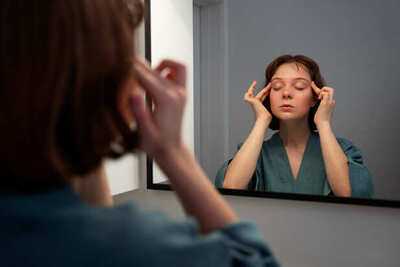
Most people expect stress to affect their emotions, not their appearance. Yet chronic stress often leaves visible clues. You may notice puffier cheeks, tired eyes, dull skin, or a less defined jawline. These changes do not happen overnight. They build gradually as the body remains in a prolonged state of tension. Many people fail to connect these physical changes with stress because the transformation occurs slowly. By the time they notice, the body has often been struggling for months beneath the surface.
The Hormone Behind the Changes

Cortisol is often called the stress hormone because it helps the body respond to challenges and emergencies. In short bursts, cortisol is beneficial. It increases alertness and prepares the body to act quickly. Problems arise when stress becomes constant. Elevated cortisol levels can influence metabolism, sleep quality, inflammation, and water retention. Over time, these effects may contribute to facial puffiness and a fatigued appearance. The issue is not cortisol itself but the fact that modern lifestyles often keep it elevated far longer than nature intended.
Why Puffiness HappensOne of the most discussed signs of chronic stress is facial puffiness. Cortisol can affect the body's fluid balance, leading to water retention in various tissues. Combined with poor sleep and inflammation, this may create swelling around the cheeks, jawline, and under-eye area. While the face itself is not permanently changing shape, the additional fluid can create the appearance of a fuller or rounder face. This is one reason why people often feel they look different during particularly stressful periods of life.
Sleep Is the Missing PieceStress and poor sleep often create a vicious cycle. Elevated cortisol makes it harder to fall asleep, while sleep deprivation increases cortisol levels further. This combination can affect skin repair, collagen production, and fluid regulation. The result may include dark circles, dull skin, and increased puffiness. Many people invest in expensive skincare products without addressing sleep quality. Yet one of the most effective ways to improve appearance may simply be allowing the body adequate time to recover each night.
The Skin Connection Nobody Talks AboutYour skin is highly sensitive to stress hormones. Chronic stress can trigger inflammation, worsen acne, increase redness, and weaken the skin barrier. It may also contribute to dryness or premature signs of aging. The reason is simple: when the body prioritizes survival, it diverts resources away from maintenance and repair. As a result, the skin may lose some of its natural glow and resilience. What appears to be a skincare problem is often connected to deeper physiological stress responses.
A Real-Life Wake-Up CallConsider someone working long hours, sleeping poorly, and constantly feeling overwhelmed. Over several months, they notice puffier cheeks, tired eyes, and skin problems. They try new beauty products but see little improvement. Eventually, they focus on stress management, exercise, hydration, and sleep. Within weeks, their appearance begins to change. Their face looks less swollen, their skin becomes brighter, and they feel healthier overall. The surprising lesson is that the solution often starts inside the body rather than outside it.
When Stress Starts Showing on Your Face
Your face often reflects what your body is experiencing internally.
Most people expect stress to affect their emotions, not their appearance. Yet chronic stress often leaves visible clues. You may notice puffier cheeks, tired eyes, dull skin, or a less defined jawline. These changes do not happen overnight. They build gradually as the body remains in a prolonged state of tension. Many people fail to connect these physical changes with stress because the transformation occurs slowly. By the time they notice, the body has often been struggling for months beneath the surface.
The Hormone Behind the Changes
Cortisol is essential for survival but harmful in excess
Cortisol is often called the stress hormone because it helps the body respond to challenges and emergencies. In short bursts, cortisol is beneficial. It increases alertness and prepares the body to act quickly. Problems arise when stress becomes constant. Elevated cortisol levels can influence metabolism, sleep quality, inflammation, and water retention. Over time, these effects may contribute to facial puffiness and a fatigued appearance. The issue is not cortisol itself but the fact that modern lifestyles often keep it elevated far longer than nature intended.
Why Puffiness HappensOne of the most discussed signs of chronic stress is facial puffiness. Cortisol can affect the body's fluid balance, leading to water retention in various tissues. Combined with poor sleep and inflammation, this may create swelling around the cheeks, jawline, and under-eye area. While the face itself is not permanently changing shape, the additional fluid can create the appearance of a fuller or rounder face. This is one reason why people often feel they look different during particularly stressful periods of life.
Sleep Is the Missing PieceStress and poor sleep often create a vicious cycle. Elevated cortisol makes it harder to fall asleep, while sleep deprivation increases cortisol levels further. This combination can affect skin repair, collagen production, and fluid regulation. The result may include dark circles, dull skin, and increased puffiness. Many people invest in expensive skincare products without addressing sleep quality. Yet one of the most effective ways to improve appearance may simply be allowing the body adequate time to recover each night.
The Skin Connection Nobody Talks AboutYour skin is highly sensitive to stress hormones. Chronic stress can trigger inflammation, worsen acne, increase redness, and weaken the skin barrier. It may also contribute to dryness or premature signs of aging. The reason is simple: when the body prioritizes survival, it diverts resources away from maintenance and repair. As a result, the skin may lose some of its natural glow and resilience. What appears to be a skincare problem is often connected to deeper physiological stress responses.
A Real-Life Wake-Up CallConsider someone working long hours, sleeping poorly, and constantly feeling overwhelmed. Over several months, they notice puffier cheeks, tired eyes, and skin problems. They try new beauty products but see little improvement. Eventually, they focus on stress management, exercise, hydration, and sleep. Within weeks, their appearance begins to change. Their face looks less swollen, their skin becomes brighter, and they feel healthier overall. The surprising lesson is that the solution often starts inside the body rather than outside it.
Next Story