
Can Turmeric Water Help Reduce Fatty Liver? What Research Says About Its Benefits

Turmeric water is often recommended as a natural remedy for improving liver health, but can drinking it regularly actually help reduce fatty liver? While turmeric contains curcumin, a compound known for its antioxidant and anti-inflammatory properties, its ability to support liver health depends on several factors. Scientific studies suggest that concentrated curcumin supplements may help reduce liver fat and improve certain health markers. However, drinking turmeric water alone is unlikely to reverse fatty liver disease. Understanding what research says, how much turmeric your body absorbs and what precautions to take can help you make an informed choice.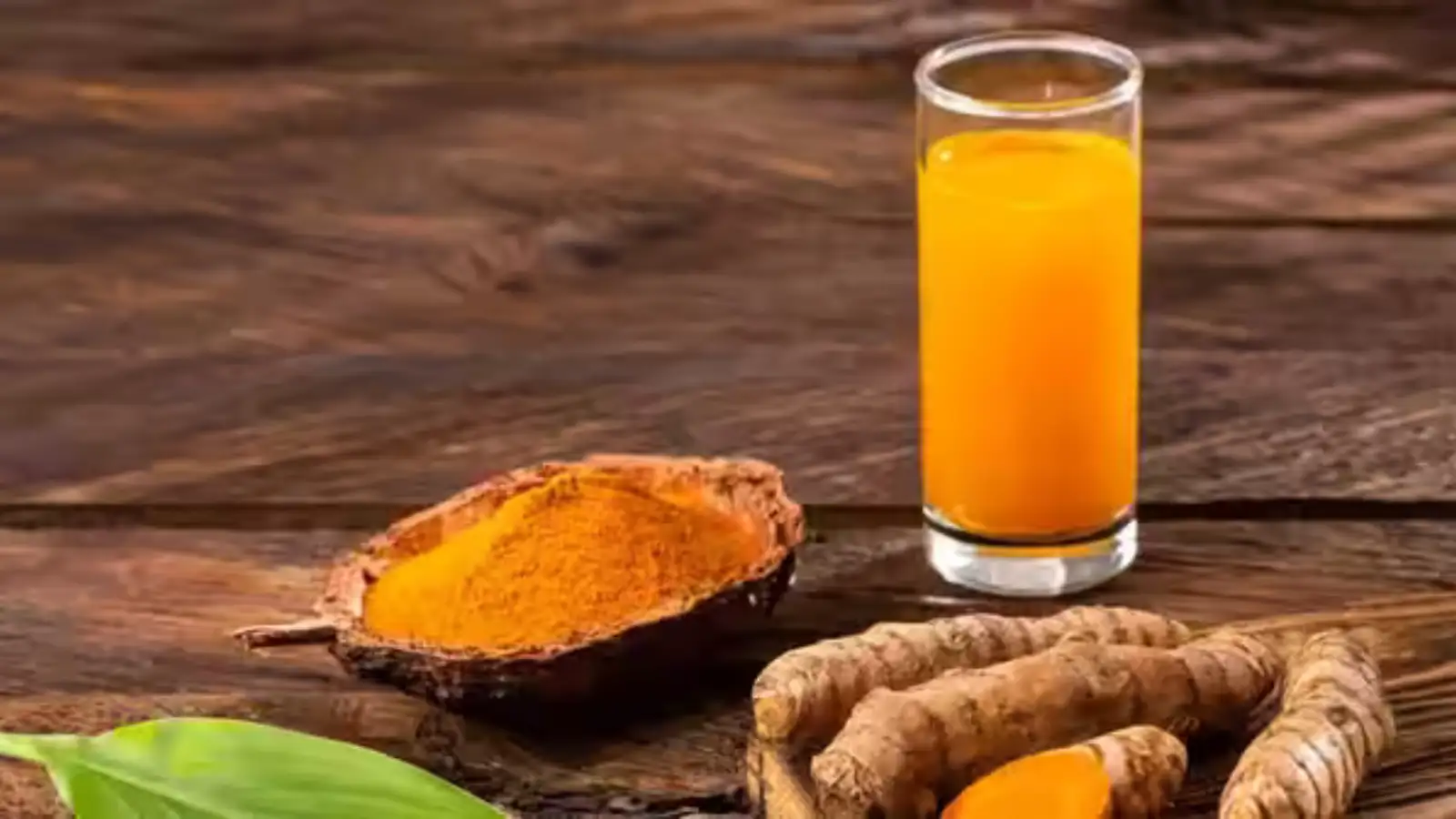
It is commonly associated with obesity, insulin resistance, type 2 diabetes, high cholesterol and unhealthy dietary habits. If left unmanaged, the condition can progress to liver inflammation, fibrosis and, in severe cases, cirrhosis.
Although turmeric is widely recognised for its potential health benefits, it is important to understand whether consuming it in water provides enough of its active compounds to make a meaningful difference.
Here are some important findings from clinical research:
Participants were divided into two groups. One received 1,000 mg of phytosomal curcumin daily, while the other received a placebo. The study continued for eight weeks.
At the end of the trial, ultrasound examinations showed an improvement in fatty liver severity in 75% of participants taking curcumin. In comparison, only 4.7% of those in the placebo group experienced improvement.
The findings suggested that concentrated curcumin could potentially support liver health, although further research is needed to establish its long-term effectiveness.
The study involved 64 participants who were monitored over eight weeks. Those receiving 2 grams of turmeric powder daily experienced significant reductions in two important liver enzymes: alanine aminotransferase (ALT) and aspartate aminotransferase (AST).
The researchers also observed improvements in triglyceride and cholesterol levels, suggesting that turmeric may have a supportive role in managing certain metabolic risk factors associated with fatty liver.
The controlled trial found that targeted curcumin supplementation helped improve certain metabolic markers and reduce liver fat accumulation.
These findings add to the growing body of research exploring curcumin as a potential complementary approach to managing metabolic health. However, it should not be considered a replacement for medical treatment or lifestyle changes.
Most clinical studies investigating turmeric and fatty liver use standardised extracts or measured doses of turmeric powder. These preparations deliver significantly higher concentrations of active compounds than a typical homemade drink.
Regular turmeric powder contains approximately 2% to 5% curcumin by weight. Therefore, adding half a teaspoon of turmeric powder to a glass of warm water provides only a small amount of this compound compared with the 300 mg to 1,000 mg or more of curcuminoids used in several clinical studies.
Another challenge is absorption. Curcumin is naturally poorly absorbed by the digestive system and is fat-soluble, meaning it dissolves better in fat than in water.
Combining turmeric with a small amount of healthy fat or black pepper may improve curcumin absorption. Black pepper contains piperine, a compound known to increase curcumin's bioavailability.
However, improving absorption does not mean that turmeric water can deliver the same effects as a clinically tested supplement.
A 2019 clinical trial conducted by Samaneh Saadati and colleagues involved 50 people with fatty liver disease. Participants received either curcumin or a placebo for 12 weeks. Both groups were also advised to follow dietary and exercise recommendations.
The results showed improvements in both groups, with no significant additional benefit from curcumin supplementation. This suggested that dietary changes and physical activity may have played a more important role in improving liver health.
Similarly, a 2024 review of 14 clinical trials, published in PubMed Central (PMC), examined the potential effects of curcumin on metabolic health.
The review found that curcumin supplementation was associated with reductions in waist circumference and triglyceride levels. However, its effects on liver enzymes were inconsistent, with different studies reporting varying outcomes.
This indicates that while curcumin may offer certain benefits, its effectiveness can vary depending on individual health conditions, dosage and other lifestyle factors.
Some clinical reports have documented cases of liver injury associated with high-dose turmeric supplements. Products containing black pepper extract to increase curcumin absorption have also been linked to safety concerns.
Certain people should be particularly careful before taking turmeric supplements, including:
If you experience symptoms such as yellowing of the skin or eyes, dark urine, unusual fatigue or persistent nausea after starting a supplement, seek medical advice promptly.
Here are a few ways to prepare it:
Some important steps include:
Research suggests that concentrated curcumin supplements may improve certain liver enzymes, triglyceride levels and liver fat measurements in some people. However, these findings cannot be directly applied to homemade turmeric water because the concentration and absorption of curcumin are considerably different.
For people with fatty liver, the most reliable approach remains maintaining a healthy weight, following a balanced diet, reducing added sugar and exercising regularly. Turmeric water may complement these habits, but it cannot replace them or substitute for appropriate medical care.
What Is Fatty Liver Disease?
Fatty liver disease develops when excess fat accumulates in the liver cells. The condition, previously known as non-alcoholic fatty liver disease (NAFLD), is now medically referred to as metabolic dysfunction-associated steatotic liver disease (MASLD).It is commonly associated with obesity, insulin resistance, type 2 diabetes, high cholesterol and unhealthy dietary habits. If left unmanaged, the condition can progress to liver inflammation, fibrosis and, in severe cases, cirrhosis.
Although turmeric is widely recognised for its potential health benefits, it is important to understand whether consuming it in water provides enough of its active compounds to make a meaningful difference.
What Do Scientific Studies Say About Turmeric and Fatty Liver?
Several clinical studies have examined the relationship between curcumin, the active compound in turmeric, and liver health. The findings are encouraging, but most research has focused on concentrated supplements rather than ordinary turmeric water.Here are some important findings from clinical research:
1. 2017 Study Found Improvement in Liver Fat
A 2017 study published in the journal Drug Research examined the effects of curcumin supplementation in 87 people with non-alcoholic fatty liver disease.Participants were divided into two groups. One received 1,000 mg of phytosomal curcumin daily, while the other received a placebo. The study continued for eight weeks.
At the end of the trial, ultrasound examinations showed an improvement in fatty liver severity in 75% of participants taking curcumin. In comparison, only 4.7% of those in the placebo group experienced improvement.
The findings suggested that concentrated curcumin could potentially support liver health, although further research is needed to establish its long-term effectiveness.
2. 2021 Research Linked Turmeric to Better Liver Enzyme Levels
Another clinical trial, conducted by Mahsa Jarhahzadeh and colleagues in 2021, investigated the effects of turmeric powder on people with fatty liver disease.The study involved 64 participants who were monitored over eight weeks. Those receiving 2 grams of turmeric powder daily experienced significant reductions in two important liver enzymes: alanine aminotransferase (ALT) and aspartate aminotransferase (AST).
The researchers also observed improvements in triglyceride and cholesterol levels, suggesting that turmeric may have a supportive role in managing certain metabolic risk factors associated with fatty liver.
3. 2025 Trial Explored Curcumin's Benefits for MASLD
More recent research published in the journal Nutrients in 2025 examined the effects of curcumin supplementation in people living with both type 2 diabetes and metabolic dysfunction-associated steatotic liver disease (MASLD).The controlled trial found that targeted curcumin supplementation helped improve certain metabolic markers and reduce liver fat accumulation.
These findings add to the growing body of research exploring curcumin as a potential complementary approach to managing metabolic health. However, it should not be considered a replacement for medical treatment or lifestyle changes.
Why Is Turmeric Water Different From Curcumin Supplements?
One important distinction in understanding turmeric's benefits is the difference between consuming turmeric water and taking concentrated curcumin supplements.Most clinical studies investigating turmeric and fatty liver use standardised extracts or measured doses of turmeric powder. These preparations deliver significantly higher concentrations of active compounds than a typical homemade drink.
Regular turmeric powder contains approximately 2% to 5% curcumin by weight. Therefore, adding half a teaspoon of turmeric powder to a glass of warm water provides only a small amount of this compound compared with the 300 mg to 1,000 mg or more of curcuminoids used in several clinical studies.
Another challenge is absorption. Curcumin is naturally poorly absorbed by the digestive system and is fat-soluble, meaning it dissolves better in fat than in water.
Combining turmeric with a small amount of healthy fat or black pepper may improve curcumin absorption. Black pepper contains piperine, a compound known to increase curcumin's bioavailability.
However, improving absorption does not mean that turmeric water can deliver the same effects as a clinically tested supplement.
Does Turmeric Always Improve Fatty Liver?
Not all clinical studies have reported significant improvements from curcumin supplementation. Some research suggests that lifestyle changes may have a much greater impact on liver health than turmeric alone.A 2019 clinical trial conducted by Samaneh Saadati and colleagues involved 50 people with fatty liver disease. Participants received either curcumin or a placebo for 12 weeks. Both groups were also advised to follow dietary and exercise recommendations.
The results showed improvements in both groups, with no significant additional benefit from curcumin supplementation. This suggested that dietary changes and physical activity may have played a more important role in improving liver health.
Similarly, a 2024 review of 14 clinical trials, published in PubMed Central (PMC), examined the potential effects of curcumin on metabolic health.
The review found that curcumin supplementation was associated with reductions in waist circumference and triglyceride levels. However, its effects on liver enzymes were inconsistent, with different studies reporting varying outcomes.
This indicates that while curcumin may offer certain benefits, its effectiveness can vary depending on individual health conditions, dosage and other lifestyle factors.
Are There Any Side Effects of Turmeric Supplements?
Using turmeric in everyday cooking or consuming it in small dietary quantities is generally considered safe for most people. However, concentrated turmeric and curcumin supplements require greater caution.Some clinical reports have documented cases of liver injury associated with high-dose turmeric supplements. Products containing black pepper extract to increase curcumin absorption have also been linked to safety concerns.
Certain people should be particularly careful before taking turmeric supplements, including:
- People taking blood thinners: Turmeric may increase the risk of bleeding when combined with certain blood-thinning medications.
- People with diabetes: Curcumin supplements may affect blood sugar levels and potentially interact with diabetes medication.
- People taking regular prescription medicines: Turmeric may influence how certain medicines are processed by the body.
If you experience symptoms such as yellowing of the skin or eyes, dark urine, unusual fatigue or persistent nausea after starting a supplement, seek medical advice promptly.
How Can You Include Turmeric Water in Your Daily Routine?
If you enjoy drinking turmeric water in the morning, you can continue including it as part of a balanced diet. It is a low-calorie drink that provides small amounts of naturally occurring antioxidants.Here are a few ways to prepare it:
- Use fresh or powdered turmeric: Add a small pinch of turmeric powder or a few thin slices of fresh turmeric to warm water.
- Add black pepper: A small pinch of freshly crushed black pepper may help improve curcumin absorption.
- Include a healthy fat: A few drops of olive oil or a little coconut milk can help curcumin dissolve better.
- Avoid excessive quantities: Consuming larger amounts does not necessarily provide greater health benefits.
What Actually Helps Reduce Fatty Liver?
While turmeric may offer some supportive benefits, medical evidence points towards sustainable lifestyle changes as the most effective approach to managing fatty liver disease.Some important steps include:
1. Maintain a Healthy Weight
Losing excess body weight can help reduce fat accumulation in the liver. Even moderate, sustained weight loss can improve liver health, particularly in people with MASLD.2. Reduce Sugar and Refined Carbohydrates
Limit sugary drinks, packaged juices, sweets and foods containing excessive refined carbohydrates. Pay particular attention to foods and beverages high in added fructose.3. Exercise Regularly
Include aerobic activities such as walking, cycling or swimming in your routine. Resistance training can also support metabolic health and help reduce liver fat.4. Eat a Balanced Diet
Include vegetables, fruits, whole grains, pulses, nuts and healthy fats in your meals. Limit highly processed foods and meals containing excessive saturated fats.5. Manage Diabetes and Cholesterol
High blood sugar, insulin resistance and abnormal cholesterol levels are closely associated with fatty liver disease. Regular health check-ups and appropriate medical treatment can help manage these risk factors.Can Turmeric Water Reduce Fatty Liver?
Turmeric water can be a healthy addition to your daily routine, but there is insufficient scientific evidence to establish it as an effective standalone remedy for fatty liver disease.Research suggests that concentrated curcumin supplements may improve certain liver enzymes, triglyceride levels and liver fat measurements in some people. However, these findings cannot be directly applied to homemade turmeric water because the concentration and absorption of curcumin are considerably different.
For people with fatty liver, the most reliable approach remains maintaining a healthy weight, following a balanced diet, reducing added sugar and exercising regularly. Turmeric water may complement these habits, but it cannot replace them or substitute for appropriate medical care.
Next Story