
Can You Digest This Food? 2 in 3 Adults May Not


Many people are surprised when a food they have enjoyed for years suddenly begins causing discomfort. You may notice bloating after drinking milk, stomach cramps after eating spicy meals, or digestive discomfort after foods that never caused problems before. Here's a number that puts this in perspective: according to the National Institutes of Health, an estimated 65% to 70% of adults worldwide lose most of their ability to digest lactose, the sugar found in milk, after childhood. Dairy is one of the most common triggers people report, but it's far from the only one. While this can be frustrating, it does not always mean you have developed a serious medical condition. Your digestive system changes throughout life, and many factors can influence how your body processes certain foods. Understanding why these changes happen can help you manage symptoms and make healthier choices.

Your Digestive System Changes Over Time
Your digestive system naturally changes as you get older. The production of certain digestive enzymes may decrease, your stomach may process food differently, and changes in your gut bacteria can influence digestion. This is exactly what happens with lactose: most people produce plenty of the enzyme lactase as infants, but production naturally drops off after childhood for a majority of the world's population. Foods that were once easy to digest may become more difficult for your body to handle. Paying attention to these changes allows you to adjust your diet while still meeting your nutritional needs.
Your Gut Microbiome Plays a Bigger Role Than You Think
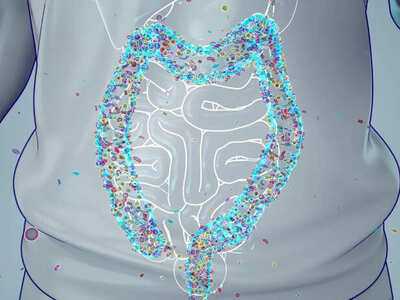 Stress, poor sleep, and antibiotics can throw off your gut microbiomes balance. Once that shifts, foods you tolerated fine before can suddenly cause bloating or discomfort
Your digestive tract contains trillions of beneficial bacteria known as the gut microbiome. These bacteria help digest food, produce important nutrients, and support your immune system. Stress, illness, antibiotics, poor diet, and lack of sleep can alter the balance of these bacteria. When your gut microbiome changes, certain foods may suddenly cause bloating, gas, or discomfort. Eating fiber-rich foods and fermented foods may help support a healthier gut environment.
Food Intolerance Is Different From a Food Allergy
Food intolerance and food allergy are often confused, but they are not the same. A food intolerance usually affects digestion and may cause bloating, stomach pain, diarrhea, or gas after eating certain foods. A food allergy involves the immune system and can lead to more serious symptoms that require immediate medical attention. If you experience swelling, difficulty breathing, or severe allergic reactions after eating, seek emergency medical care immediately.
Stress Can Change the Way You Digest Food
Your brain and digestive system are closely connected through the gut-brain axis. During periods of stress, digestion may slow down or become more sensitive, making certain foods harder to tolerate. Many people notice digestive discomfort becomes worse during busy work periods, emotional stress, or poor sleep. Managing stress through regular exercise, mindfulness, and quality sleep may help improve digestive health.
Avoid Removing Too Many Foods Without Medical Advice
 Eliminating entire food groups on your own raises the risk of missing key nutrients. A healthcare professional can pinpoint the real trigger instead of you guessing and losing nutrition along the way.
When digestive symptoms appear, some people immediately remove many foods from their diet. While avoiding a suspected trigger temporarily may be appropriate, eliminating large groups of foods without professional guidance can increase the risk of nutrient deficiencies. A healthcare professional can help determine whether your symptoms are related to a food intolerance, digestive condition, or another health concern.
Some Medications Can Affect Digestion
Certain medications may temporarily change the way your digestive system works. Antibiotics, pain relievers, acid-reducing medications, and some other prescription drugs can alter gut bacteria or affect digestion. If you notice new digestive symptoms after starting a medication, discuss your concerns with your healthcare provider before making any changes to your treatment.
Keeping a Food Diary Can Help Identify Patterns
If you frequently experience digestive discomfort, keeping a food diary may help identify possible triggers. Record what you eat, when you eat, your symptoms, stress levels, and sleep quality. Over time, patterns may become easier to recognize. This information can also be helpful if you decide to discuss your symptoms with a healthcare professional or registered dietitian.
Simple Eating Habits Can Improve Digestion
The way you eat can be just as important as what you eat. Eating slowly, chewing food thoroughly, staying hydrated, and avoiding very large meals may reduce digestive discomfort. Regular physical activity also supports healthy digestion by helping food move through the digestive tract more efficiently. Small lifestyle changes often make a noticeable difference over time.
Know When to Seek Medical Advice
Occasional digestive discomfort is common, but persistent symptoms should not be ignored. If you experience ongoing abdominal pain, unexplained weight loss, blood in your stool, frequent vomiting, or symptoms that continue despite dietary changes, it is important to consult a healthcare professional. Early evaluation can help identify the underlying cause and ensure you receive the most appropriate treatment.
Discover expert advice and the latest updates in Skin Care, Hair Care, Wellness, Dermatology, and more at Stay Young guide to lasting beauty and holistic health.
Your Digestive System Changes Over Time
Your digestive system naturally changes as you get older. The production of certain digestive enzymes may decrease, your stomach may process food differently, and changes in your gut bacteria can influence digestion. This is exactly what happens with lactose: most people produce plenty of the enzyme lactase as infants, but production naturally drops off after childhood for a majority of the world's population. Foods that were once easy to digest may become more difficult for your body to handle. Paying attention to these changes allows you to adjust your diet while still meeting your nutritional needs.
Your Gut Microbiome Plays a Bigger Role Than You Think
Your digestive tract contains trillions of beneficial bacteria known as the gut microbiome. These bacteria help digest food, produce important nutrients, and support your immune system. Stress, illness, antibiotics, poor diet, and lack of sleep can alter the balance of these bacteria. When your gut microbiome changes, certain foods may suddenly cause bloating, gas, or discomfort. Eating fiber-rich foods and fermented foods may help support a healthier gut environment.
Food Intolerance Is Different From a Food Allergy
Food intolerance and food allergy are often confused, but they are not the same. A food intolerance usually affects digestion and may cause bloating, stomach pain, diarrhea, or gas after eating certain foods. A food allergy involves the immune system and can lead to more serious symptoms that require immediate medical attention. If you experience swelling, difficulty breathing, or severe allergic reactions after eating, seek emergency medical care immediately.
Stress Can Change the Way You Digest Food
Your brain and digestive system are closely connected through the gut-brain axis. During periods of stress, digestion may slow down or become more sensitive, making certain foods harder to tolerate. Many people notice digestive discomfort becomes worse during busy work periods, emotional stress, or poor sleep. Managing stress through regular exercise, mindfulness, and quality sleep may help improve digestive health.
Avoid Removing Too Many Foods Without Medical Advice
When digestive symptoms appear, some people immediately remove many foods from their diet. While avoiding a suspected trigger temporarily may be appropriate, eliminating large groups of foods without professional guidance can increase the risk of nutrient deficiencies. A healthcare professional can help determine whether your symptoms are related to a food intolerance, digestive condition, or another health concern.
Some Medications Can Affect Digestion
Certain medications may temporarily change the way your digestive system works. Antibiotics, pain relievers, acid-reducing medications, and some other prescription drugs can alter gut bacteria or affect digestion. If you notice new digestive symptoms after starting a medication, discuss your concerns with your healthcare provider before making any changes to your treatment.
Keeping a Food Diary Can Help Identify Patterns
If you frequently experience digestive discomfort, keeping a food diary may help identify possible triggers. Record what you eat, when you eat, your symptoms, stress levels, and sleep quality. Over time, patterns may become easier to recognize. This information can also be helpful if you decide to discuss your symptoms with a healthcare professional or registered dietitian.
Simple Eating Habits Can Improve Digestion
The way you eat can be just as important as what you eat. Eating slowly, chewing food thoroughly, staying hydrated, and avoiding very large meals may reduce digestive discomfort. Regular physical activity also supports healthy digestion by helping food move through the digestive tract more efficiently. Small lifestyle changes often make a noticeable difference over time.
Know When to Seek Medical Advice
Occasional digestive discomfort is common, but persistent symptoms should not be ignored. If you experience ongoing abdominal pain, unexplained weight loss, blood in your stool, frequent vomiting, or symptoms that continue despite dietary changes, it is important to consult a healthcare professional. Early evaluation can help identify the underlying cause and ensure you receive the most appropriate treatment.
Discover expert advice and the latest updates in Skin Care, Hair Care, Wellness, Dermatology, and more at Stay Young guide to lasting beauty and holistic health.
Next Story