
5 Famous Canadian Lakes and How They Got Their Names

Canada is home to more lakes than any other country in the world, and many of them have names that reflect the nation's rich history, Indigenous heritage, wildlife, and natural beauty. Behind these famous lakes are stories that reveal how people understood and connected with the land centuries ago. Here are five Canadian lakes with fascinating origins behind their names.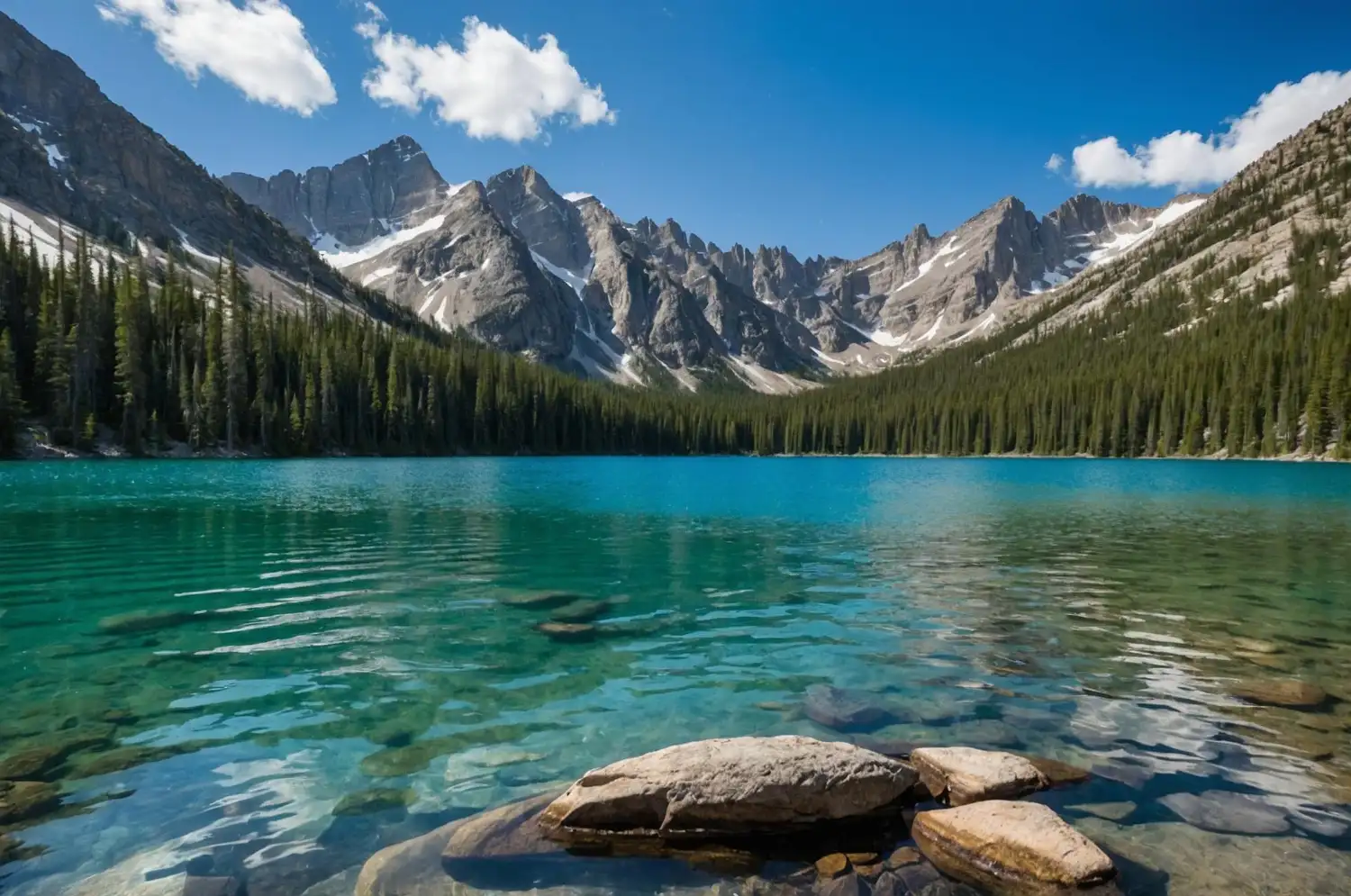
1. Lake Louise , Alberta
Lake Louise is one of Canada's most iconic lakes, known for its striking turquoise waters and breathtaking mountain scenery. However, it wasn't always called Lake Louise. It was originally named Emerald Lake because of its vivid green-blue colour. The lake was later renamed in honour of Princess Louise Caroline Alberta, the fourth daughter of Queen Victoria and the wife of the Marquess of Lorne, who served as Canada's Governor General in the late 19th century.
2. Lake Athabasca , Alberta and Saskatchewan
The name Athabasca comes from the Cree language and is widely believed to mean 'where there are reeds' or 'grass here and there.' The name reflects the vegetation that once grew along the lake's shores. For centuries, Indigenous communities depended on the lake for fishing, transportation, and trade, making it an important part of their culture and daily life.
3. Great Bear Lake , Northwest Territories
Great Bear Lake is the largest lake located entirely within Canada's borders and ranks among the world's largest lakes. Its name is linked to the grizzly bears and other wildlife that have long inhabited the surrounding region. The lake is also the traditional homeland of the Sahtu Dene people, who have maintained a close relationship with the area for generations.
4. Great Slave Lake , Northwest Territories
Despite its name, Great Slave Lake has no connection to the practice of slavery as commonly understood today. The name originated from the Slavey (Slave) people, a term historically used by the Cree to describe neighbouring Dene communities. European explorers later adopted the name for maps, and it has remained in use ever since.
5. Spotted Lake, British Columbia
Spotted Lake is one of Canada's most unusual natural attractions. During the summer months, evaporation leaves behind mineral deposits that form colourful circular spots across the lake's surface, giving it its distinctive appearance. The lake's name comes directly from this remarkable natural phenomenon. It is also considered sacred by the Syilx Okanagan people, who have long valued its mineral-rich waters.
From royal tributes and Indigenous languages to wildlife and unique geological features, the names of Canada's lakes tell stories that go far beyond their scenic beauty. Learning about these origins offers a deeper understanding of the country's history, culture, and diverse natural landscapes.
1. Lake Louise , Alberta
Lake Louise is one of Canada's most iconic lakes, known for its striking turquoise waters and breathtaking mountain scenery. However, it wasn't always called Lake Louise. It was originally named Emerald Lake because of its vivid green-blue colour. The lake was later renamed in honour of Princess Louise Caroline Alberta, the fourth daughter of Queen Victoria and the wife of the Marquess of Lorne, who served as Canada's Governor General in the late 19th century. 2. Lake Athabasca , Alberta and Saskatchewan
The name Athabasca comes from the Cree language and is widely believed to mean 'where there are reeds' or 'grass here and there.' The name reflects the vegetation that once grew along the lake's shores. For centuries, Indigenous communities depended on the lake for fishing, transportation, and trade, making it an important part of their culture and daily life.You may also like
- EV Subsidy: 50% subsidy on EV purchases announced by the government; bring home a bike at half the price.
- Make sure to check these 3 hidden clauses before signing a rent agreement, or else you might regret it later..
- Make rose water at home for glowing skin, the process is very easy
- Is Your Baby Tired? 15 Signs to Look Out For
- EPFO credits PF interest to 34 crore accounts; have you received yours? Here's how to check...
3. Great Bear Lake , Northwest Territories
Great Bear Lake is the largest lake located entirely within Canada's borders and ranks among the world's largest lakes. Its name is linked to the grizzly bears and other wildlife that have long inhabited the surrounding region. The lake is also the traditional homeland of the Sahtu Dene people, who have maintained a close relationship with the area for generations. 4. Great Slave Lake , Northwest Territories
Despite its name, Great Slave Lake has no connection to the practice of slavery as commonly understood today. The name originated from the Slavey (Slave) people, a term historically used by the Cree to describe neighbouring Dene communities. European explorers later adopted the name for maps, and it has remained in use ever since.5. Spotted Lake, British Columbia
Spotted Lake is one of Canada's most unusual natural attractions. During the summer months, evaporation leaves behind mineral deposits that form colourful circular spots across the lake's surface, giving it its distinctive appearance. The lake's name comes directly from this remarkable natural phenomenon. It is also considered sacred by the Syilx Okanagan people, who have long valued its mineral-rich waters. From royal tributes and Indigenous languages to wildlife and unique geological features, the names of Canada's lakes tell stories that go far beyond their scenic beauty. Learning about these origins offers a deeper understanding of the country's history, culture, and diverse natural landscapes.






Loving Newspoint? Download the app now
