
5 Famous Canadian Lakes and How They Got Their Names

Canada is home to more lakes than any other country in the world, and many of them have names that reflect the nation's rich history, Indigenous heritage, wildlife, and natural beauty. Behind these famous lakes are stories that reveal how people understood and connected with the land centuries ago. Here are five Canadian lakes with fascinating origins behind their names.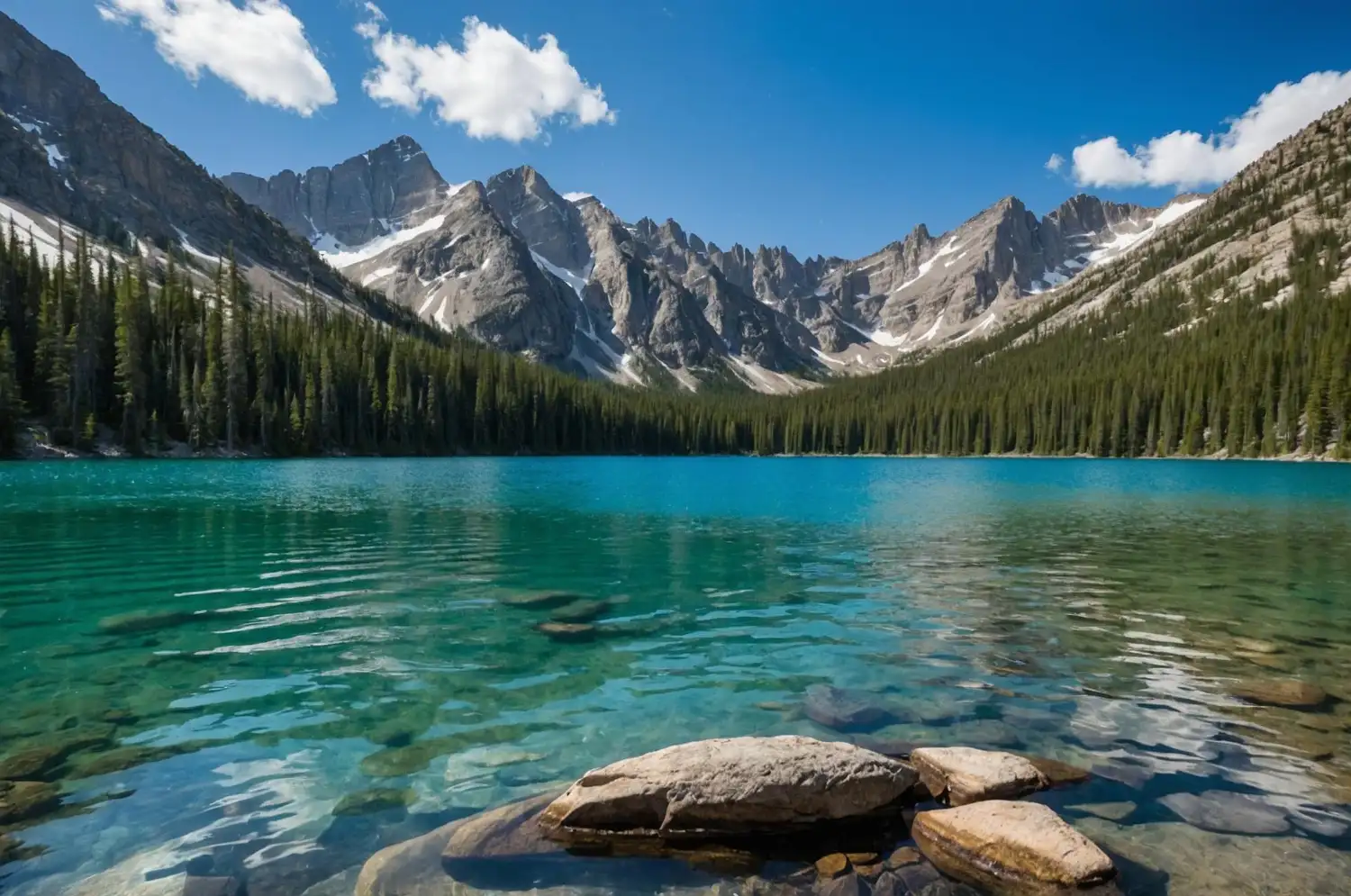
1. Lake Louise , Alberta
Lake Louise is one of Canada's most iconic lakes, known for its striking turquoise waters and breathtaking mountain scenery. However, it wasn't always called Lake Louise. It was originally named Emerald Lake because of its vivid green-blue colour. The lake was later renamed in honour of Princess Louise Caroline Alberta, the fourth daughter of Queen Victoria and the wife of the Marquess of Lorne, who served as Canada's Governor General in the late 19th century.
2. Lake Athabasca , Alberta and Saskatchewan
The name Athabasca comes from the Cree language and is widely believed to mean 'where there are reeds' or 'grass here and there.' The name reflects the vegetation that once grew along the lake's shores. For centuries, Indigenous communities depended on the lake for fishing, transportation, and trade, making it an important part of their culture and daily life.
1. Lake Louise , Alberta
Lake Louise is one of Canada's most iconic lakes, known for its striking turquoise waters and breathtaking mountain scenery. However, it wasn't always called Lake Louise. It was originally named Emerald Lake because of its vivid green-blue colour. The lake was later renamed in honour of Princess Louise Caroline Alberta, the fourth daughter of Queen Victoria and the wife of the Marquess of Lorne, who served as Canada's Governor General in the late 19th century. 2. Lake Athabasca , Alberta and Saskatchewan
The name Athabasca comes from the Cree language and is widely believed to mean 'where there are reeds' or 'grass here and there.' The name reflects the vegetation that once grew along the lake's shores. For centuries, Indigenous communities depended on the lake for fishing, transportation, and trade, making it an important part of their culture and daily life.Next Story