
How to Care for Chapped Lips During Dry Winter Weather

Dry, tight and peeling lips are a common problem during winter. Cold winds, low humidity and indoor heating can strip moisture from the delicate skin, leaving lips uncomfortable and sometimes painfully cracked. Unlike much of the skin on the body, the lips have no oil glands to help keep them naturally lubricated. This makes them particularly vulnerable to harsh weather conditions.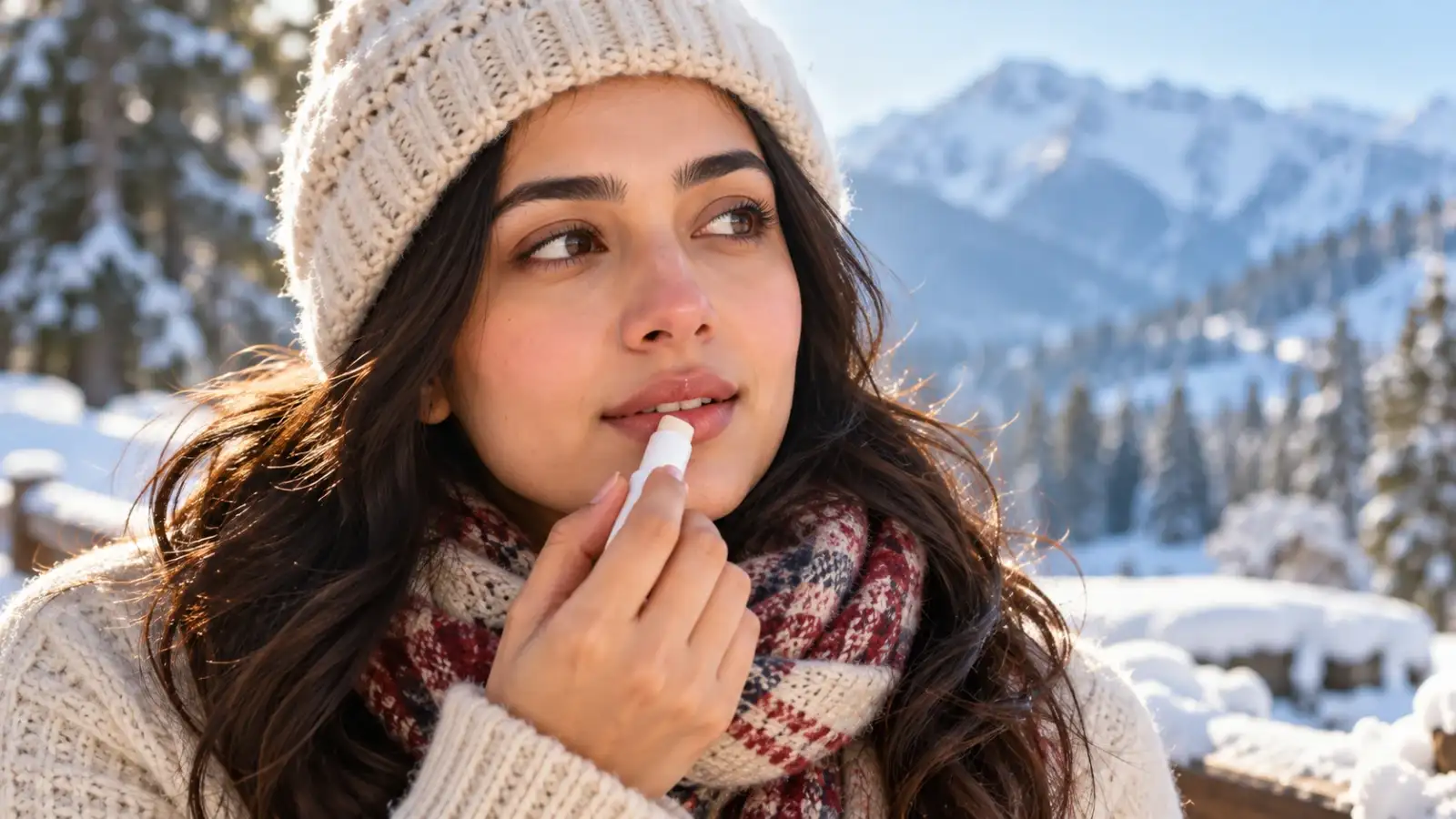
The good news is that a simple, consistent lip care routine can help restore comfort and prevent further dryness. From choosing the right lip balm to avoiding everyday habits that worsen chapping, a few practical changes can make a noticeable difference during the colder months.
Other possible causes include sun exposure, sensitivity to fragrances or flavourings in lip products, and certain skincare ingredients or medicines. If chapping continues despite regular care, an underlying skin condition or an allergic reaction may be responsible.
Apply a generous layer whenever your lips feel dry, especially after eating, drinking or washing your face. Keep a lip balm beside your bed and carry another when going outdoors so that it is readily available throughout the day.
Avoid products that sting or cause burning when applied. Ingredients such as menthol, camphor, eucalyptus, strong fragrances and certain flavourings may irritate already damaged lips rather than soothe them.
For better results, apply it when your lips are slightly damp rather than completely dry. There is no need to scrub the lips or remove peeling skin beforehand.
Make this a regular habit during winter, particularly if you wake up with tight or flaky lips. Consistent protection is generally more helpful than applying a product only when the dryness becomes uncomfortable.
Biting or pulling off loose skin can create small cracks, delay healing and increase the risk of infection.
Instead, apply a gentle lip balm whenever you feel the urge to lick your lips. If flakes are visible, leave them alone and allow the skin to heal naturally. Avoid harsh lip scrubs, toothbrush exfoliation and other abrasive treatments while your lips are sore or cracked.
Apply a protective balm before stepping outside and cover the lower part of your face with a soft scarf when the weather is particularly cold or windy. Try not to breathe through your mouth unnecessarily in cold conditions, as repeated exposure to dry air can contribute to discomfort.
Sun protection is important during winter too. Choose a broad-spectrum lip balm with SPF 30 or higher when spending time outdoors, including during sunny days or trips to snowy destinations. Reapply it approximately every two hours outdoors, and after eating or drinking.
Keep water available throughout the day and drink regularly according to your needs. Warm water or unsweetened herbal tea can be comfortable choices during cold weather.
It is also worth checking whether your lips become dry after consuming particularly salty, spicy or acidic foods. These foods may sting cracked skin. If they cause discomfort, avoid them temporarily until your lips have healed.
Clean the humidifier according to the manufacturer's instructions to prevent the build-up of mould and bacteria. If you do not have one, avoid placing yourself directly in front of heaters for extended periods and maintain a simple moisturising routine.
Also, use lukewarm rather than very hot water when washing your face. Hot water and harsh cleansers can irritate the skin around the mouth and make dryness more noticeable.
If your lips remain dry, simplify your routine temporarily. Use a plain, fragrance-free ointment and avoid introducing several new products at once. Be careful when applying facial products containing exfoliating acids or retinoids near the lips, as these can irritate delicate skin.
If a product repeatedly causes burning, redness or swelling, stop using it. Persistent reactions may require assessment by a healthcare professional.
You should also consult a healthcare professional if there is no clear improvement after two to three weeks of regular care, or if the corners of your mouth remain cracked. Persistent symptoms may be linked to eczema, contact allergy, infection or another condition that needs specific treatment.
Do not assume that every case of dry lips is caused by cold weather, particularly when symptoms keep returning.
Caring for chapped lips during dry winter weather is mainly about protecting the skin barrier and avoiding further irritation. Use a gentle lip balm regularly, apply petroleum jelly before bed, protect your lips from cold winds and sunlight, and resist the urge to lick or peel away dry skin. Keeping indoor air comfortable and choosing non-irritating skincare products can also help.
If your lips remain painful or fail to heal despite these measures, seek medical advice rather than continuing to try different products. A consistent routine and early attention to persistent symptoms can help keep winter lip dryness under control.
The good news is that a simple, consistent lip care routine can help restore comfort and prevent further dryness. From choosing the right lip balm to avoiding everyday habits that worsen chapping, a few practical changes can make a noticeable difference during the colder months.
Why Do Lips Become Chapped in Winter?
Winter weather can weaken the lips' protective barrier, allowing moisture to escape more easily. Cold air and wind can increase dryness, while indoor heating may reduce humidity further. Frequent lip licking can make the problem worse because saliva evaporates quickly and can irritate the delicate skin.Other possible causes include sun exposure, sensitivity to fragrances or flavourings in lip products, and certain skincare ingredients or medicines. If chapping continues despite regular care, an underlying skin condition or an allergic reaction may be responsible.
1. Choose a Gentle, Moisturising Lip Balm
One of the simplest ways to care for chapped lips is to use a fragrance-free, non-irritating lip balm regularly. Products containing petroleum jelly, ceramides, mineral oil or dimethicone can help protect the skin and reduce moisture loss.Apply a generous layer whenever your lips feel dry, especially after eating, drinking or washing your face. Keep a lip balm beside your bed and carry another when going outdoors so that it is readily available throughout the day.
Avoid products that sting or cause burning when applied. Ingredients such as menthol, camphor, eucalyptus, strong fragrances and certain flavourings may irritate already damaged lips rather than soothe them.
2. Apply Petroleum Jelly Before Bed
Night-time is a useful opportunity to protect dry lips for several hours without interruption. Before sleeping, apply a thick layer of plain petroleum jelly to clean lips. It forms a protective barrier that helps reduce moisture loss and supports the natural healing process.For better results, apply it when your lips are slightly damp rather than completely dry. There is no need to scrub the lips or remove peeling skin beforehand.
Make this a regular habit during winter, particularly if you wake up with tight or flaky lips. Consistent protection is generally more helpful than applying a product only when the dryness becomes uncomfortable.
3. Stop Licking, Biting or Peeling Your Lips
Licking dry lips may offer temporary relief, but it often makes the problem worse. As saliva evaporates, it leaves the lips feeling even drier. Repeated licking can also irritate the surrounding skin and cause redness.Biting or pulling off loose skin can create small cracks, delay healing and increase the risk of infection.
Instead, apply a gentle lip balm whenever you feel the urge to lick your lips. If flakes are visible, leave them alone and allow the skin to heal naturally. Avoid harsh lip scrubs, toothbrush exfoliation and other abrasive treatments while your lips are sore or cracked.
4. Protect Your Lips From Cold Winds
Lip care should not stop when you leave the house. Cold winds can quickly aggravate already dry skin, particularly when you spend long periods outdoors.Apply a protective balm before stepping outside and cover the lower part of your face with a soft scarf when the weather is particularly cold or windy. Try not to breathe through your mouth unnecessarily in cold conditions, as repeated exposure to dry air can contribute to discomfort.
Sun protection is important during winter too. Choose a broad-spectrum lip balm with SPF 30 or higher when spending time outdoors, including during sunny days or trips to snowy destinations. Reapply it approximately every two hours outdoors, and after eating or drinking.
5. Keep Your Body Hydrated
Drinking enough water supports normal body function and helps prevent dehydration, although drinking extra water alone will not cure chapped lips if the main problem is weather-related irritation.Keep water available throughout the day and drink regularly according to your needs. Warm water or unsweetened herbal tea can be comfortable choices during cold weather.
It is also worth checking whether your lips become dry after consuming particularly salty, spicy or acidic foods. These foods may sting cracked skin. If they cause discomfort, avoid them temporarily until your lips have healed.
6. Add Moisture to Dry Indoor Air
Indoor heating can make winter air uncomfortably dry. A humidifier may help by increasing the moisture in the room, particularly in bedrooms where you spend several hours sleeping.Clean the humidifier according to the manufacturer's instructions to prevent the build-up of mould and bacteria. If you do not have one, avoid placing yourself directly in front of heaters for extended periods and maintain a simple moisturising routine.
Also, use lukewarm rather than very hot water when washing your face. Hot water and harsh cleansers can irritate the skin around the mouth and make dryness more noticeable.
7. Check Your Lipstick and Skincare Products
Sometimes, the products used to treat dry lips can contribute to the irritation. Fragranced lipsticks, flavoured balms and certain active skincare ingredients may trigger sensitivity in some people.If your lips remain dry, simplify your routine temporarily. Use a plain, fragrance-free ointment and avoid introducing several new products at once. Be careful when applying facial products containing exfoliating acids or retinoids near the lips, as these can irritate delicate skin.
You may also like
If a product repeatedly causes burning, redness or swelling, stop using it. Persistent reactions may require assessment by a healthcare professional.
When Should You See a Doctor?
Ordinary winter chapping often improves with consistent protection and gentle care. However, seek medical advice if your lips are severely cracked, bleeding frequently, swollen, unusually painful or developing persistent sores.You should also consult a healthcare professional if there is no clear improvement after two to three weeks of regular care, or if the corners of your mouth remain cracked. Persistent symptoms may be linked to eczema, contact allergy, infection or another condition that needs specific treatment.
Do not assume that every case of dry lips is caused by cold weather, particularly when symptoms keep returning.
Caring for chapped lips during dry winter weather is mainly about protecting the skin barrier and avoiding further irritation. Use a gentle lip balm regularly, apply petroleum jelly before bed, protect your lips from cold winds and sunlight, and resist the urge to lick or peel away dry skin. Keeping indoor air comfortable and choosing non-irritating skincare products can also help.
If your lips remain painful or fail to heal despite these measures, seek medical advice rather than continuing to try different products. A consistent routine and early attention to persistent symptoms can help keep winter lip dryness under control.






Loving Newspoint? Download the app now
