
Chhath Puja 2026: 5 Traditional Foods You Must Try, From Thekua And Kasar To Rasiya Kheer

Chhath Puja 2026 is a celebration of devotion, purity and age-old culinary traditions. Observed with great enthusiasm in Bihar, Jharkhand and eastern Uttar Pradesh, the four-day festival is dedicated to Surya Dev (the Sun God) and Chhathi Maiya. Along with prayers, fasting and rituals performed at riverbanks, traditional food preparations hold a special place in the celebrations. From the much-loved thekua and jaggery-based kasar to rasiya kheer and seasonal fruits, every preparation has its own significance. Many of these recipes have been passed down through generations and remain an essential part of Chhath Puja celebrations.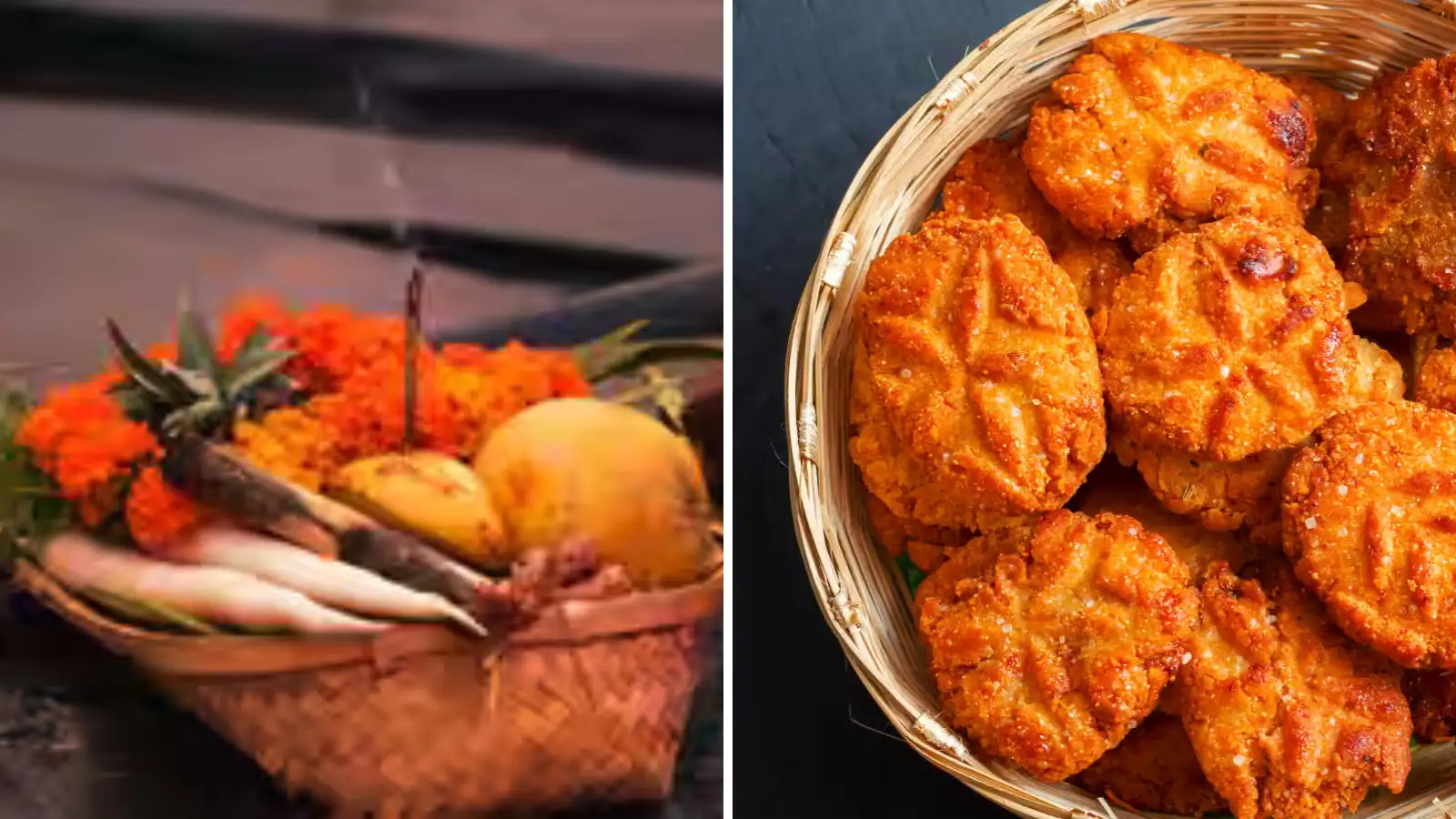
The ingredients are combined to make a firm dough, which is divided into small portions and shaped into decorative discs. Traditional wooden moulds are commonly used to create beautiful patterns on the surface. These pieces are then deep-fried until they turn golden brown and develop a crispy texture.
Thekua gets its distinctive sweetness and rich flavour from jaggery, making it different from many other festive sweets. It is prepared with great care as an offering to Surya Dev and Chhathi Maiya. During Chhath Puja, thekua is placed in bamboo baskets or soop along with fruits and other offerings before being presented during the Sandhya Arghya and Usha Arghya rituals.
Unlike regular laddoos that are prepared using cooked sugar syrup, kasar is made by mixing its ingredients in the right proportions and pressing the mixture into small round shapes. This gives it a slightly crumbly texture and a naturally earthy sweetness.
The recipe may differ from one family to another. While some people prefer using roasted rice flour, others follow traditional methods and ingredient proportions passed down through generations. Kasar is usually placed in the prasad baskets alongside thekua, bananas, coconuts and sugarcane. It is offered to the deities during the festival and later distributed among family members and devotees as prasad.
Unlike regular rice kheer prepared with white sugar, rasiya kheer has a deeper caramel-like flavour because of the jaggery. Its creamy consistency and rich taste make it a special part of the Kharna meal.
The preparation of this dish is closely linked to the fasting rituals. On Kharna, devotees observe a day-long fast and prepare the prasad after completing their evening prayers. The rasiya kheer is first offered to Chhathi Maiya, after which devotees break their fast by consuming the prasad. It is traditionally served with roti or puri in many households.
Following the Kharna ritual, devotees begin a challenging 36-hour nirjala fast, during which they refrain from consuming both food and water. This makes the Kharna meal particularly important in the four-day observance.
Kaddu ki sabzi with bhaat, or pumpkin curry served with steamed rice, is one of the most popular traditional meals prepared on this occasion. The pumpkin is cooked with ghee, cumin seeds and mild spices to create a simple yet flavourful dish. It is generally prepared without onion and garlic, in keeping with sattvik food traditions.
In several households, chana dal is also prepared and served alongside pumpkin curry and rice. Some families use sendha namak (rock salt), while others follow their own traditional cooking practices.
The emphasis on fresh ingredients, clean utensils and simple cooking methods makes this meal particularly important. The person observing the Chhath fast traditionally consumes this food on Nahay Khay as part of the preparations for the more demanding fasting rituals that follow.
Devotees carefully arrange different fruits and natural produce in bamboo baskets known as soop and daura. Some of the commonly included offerings are bananas, coconuts, apples, oranges, sweet potatoes, sugarcane and water chestnuts, also known as singhara.
Depending on regional customs and family traditions, radishes, ginger, turmeric and other seasonal ingredients may also be included in the baskets. Sugarcane is particularly significant and is often used to decorate the place where the Chhath rituals are performed.
These offerings are presented during Sandhya Arghya, when devotees worship the setting Sun, and Usha Arghya, when prayers are offered to the rising Sun. The fruits and other items are later distributed as prasad among family members, relatives and the community.
From preparing thekua at home to arranging fruits and sugarcane in bamboo baskets, these culinary traditions bring families together and keep generations-old customs alive. As devotees gather near rivers, ponds and other water bodies to offer prayers to the setting and rising Sun, these traditional foods become an inseparable part of the spirit and celebrations of Chhath Puja.
Chhath Puja 2026: 5 Traditional Foods And Offerings
Food during Chhath Puja is closely connected with its rituals. Special dishes are prepared on different days of the festival, following traditional cooking practices and sattvik food customs. Here are five popular foods that make the celebrations special.1. Thekua: The Most Popular Chhath Puja Prasad
Thekua is perhaps the first food that comes to mind when talking about Chhath Puja. This traditional Bihari sweet is an important part of the festival and is prepared using whole wheat flour, jaggery and ghee. Fennel seeds and cardamom are often added to enhance its aroma and flavour.The ingredients are combined to make a firm dough, which is divided into small portions and shaped into decorative discs. Traditional wooden moulds are commonly used to create beautiful patterns on the surface. These pieces are then deep-fried until they turn golden brown and develop a crispy texture.
Thekua gets its distinctive sweetness and rich flavour from jaggery, making it different from many other festive sweets. It is prepared with great care as an offering to Surya Dev and Chhathi Maiya. During Chhath Puja, thekua is placed in bamboo baskets or soop along with fruits and other offerings before being presented during the Sandhya Arghya and Usha Arghya rituals.
2. Kasar: A Traditional Sweet Made With Rice Flour And Jaggery
Kasar is another traditional delicacy that holds a special place in Chhath Puja celebrations. These small, round laddoos are generally made using coarsely ground rice flour, jaggery and ghee. Some households also add fennel seeds or dry ginger powder to give the sweet a distinctive flavour.Unlike regular laddoos that are prepared using cooked sugar syrup, kasar is made by mixing its ingredients in the right proportions and pressing the mixture into small round shapes. This gives it a slightly crumbly texture and a naturally earthy sweetness.
The recipe may differ from one family to another. While some people prefer using roasted rice flour, others follow traditional methods and ingredient proportions passed down through generations. Kasar is usually placed in the prasad baskets alongside thekua, bananas, coconuts and sugarcane. It is offered to the deities during the festival and later distributed among family members and devotees as prasad.
3. Rasiya Kheer: A Special Sweet Prepared During Kharna
Rasiya kheer, also known as gud ki kheer, is one of the most significant food preparations associated with Kharna, the second day of Chhath Puja. This traditional dessert is made by slowly cooking rice in milk and adding jaggery for sweetness.Unlike regular rice kheer prepared with white sugar, rasiya kheer has a deeper caramel-like flavour because of the jaggery. Its creamy consistency and rich taste make it a special part of the Kharna meal.
The preparation of this dish is closely linked to the fasting rituals. On Kharna, devotees observe a day-long fast and prepare the prasad after completing their evening prayers. The rasiya kheer is first offered to Chhathi Maiya, after which devotees break their fast by consuming the prasad. It is traditionally served with roti or puri in many households.
Following the Kharna ritual, devotees begin a challenging 36-hour nirjala fast, during which they refrain from consuming both food and water. This makes the Kharna meal particularly important in the four-day observance.
4. Kaddu Ki Sabzi With Bhaat: The Traditional Nahay Khay Meal
The first day of Chhath Puja is known as Nahay Khay and marks the beginning of the festival's fasting and purification rituals. On this day, devotees follow specific food customs and consume a simple, freshly prepared meal before proceeding with the subsequent rituals.Kaddu ki sabzi with bhaat, or pumpkin curry served with steamed rice, is one of the most popular traditional meals prepared on this occasion. The pumpkin is cooked with ghee, cumin seeds and mild spices to create a simple yet flavourful dish. It is generally prepared without onion and garlic, in keeping with sattvik food traditions.
You may also like
- Gassy Stomach After Eating, Doctor Shares 3 Foods to Beat Bloating
- AQI Above 200, Should You Walk Outside? Expert Shares Indoor Formula
- Bajra Ki Rabri: Easy Winter Pearl Millet Recipe to Keep Warm
- A blow for HDFC Bank customers! Loan EMIs have become costlier; check the new interest rates..
- What Causes Anemia, Learn What to Eat to Boost Hemoglobin Fast
In several households, chana dal is also prepared and served alongside pumpkin curry and rice. Some families use sendha namak (rock salt), while others follow their own traditional cooking practices.
The emphasis on fresh ingredients, clean utensils and simple cooking methods makes this meal particularly important. The person observing the Chhath fast traditionally consumes this food on Nahay Khay as part of the preparations for the more demanding fasting rituals that follow.
5. Seasonal Fruits, Sugarcane And Coconut: Essential Chhath Puja Offerings
Chhath Puja celebrations are not limited to homemade sweets and traditional meals. Fresh fruits, vegetables and seasonal produce are equally important, as they form an essential part of the offerings made to Surya Dev and Chhathi Maiya.Devotees carefully arrange different fruits and natural produce in bamboo baskets known as soop and daura. Some of the commonly included offerings are bananas, coconuts, apples, oranges, sweet potatoes, sugarcane and water chestnuts, also known as singhara.
Depending on regional customs and family traditions, radishes, ginger, turmeric and other seasonal ingredients may also be included in the baskets. Sugarcane is particularly significant and is often used to decorate the place where the Chhath rituals are performed.
These offerings are presented during Sandhya Arghya, when devotees worship the setting Sun, and Usha Arghya, when prayers are offered to the rising Sun. The fruits and other items are later distributed as prasad among family members, relatives and the community.
Why Food Holds Special Significance During Chhath Puja
Chhath Puja is much more than a festival of fasting and prayers. Its traditional food preparations reflect devotion, discipline, cleanliness and the importance of family customs. Each dish has a connection with a particular ritual, whether it is the simple meal prepared on Nahay Khay, the special Kharna prasad or the sweets and seasonal offerings presented during the arghya rituals.From preparing thekua at home to arranging fruits and sugarcane in bamboo baskets, these culinary traditions bring families together and keep generations-old customs alive. As devotees gather near rivers, ponds and other water bodies to offer prayers to the setting and rising Sun, these traditional foods become an inseparable part of the spirit and celebrations of Chhath Puja.






Loving Newspoint? Download the app now
