
Chia Seeds May Not Be Suitable for Everyone: 5 People Who Should Avoid Them

Chia seeds are celebrated for their nutritional value, offering an impressive blend of omega-3 fatty acids, fibre, protein, and antioxidants. However, despite their health benefits, they aren't ideal for everyone. Here’s a closer look at who should be cautious when consuming chia seeds and why.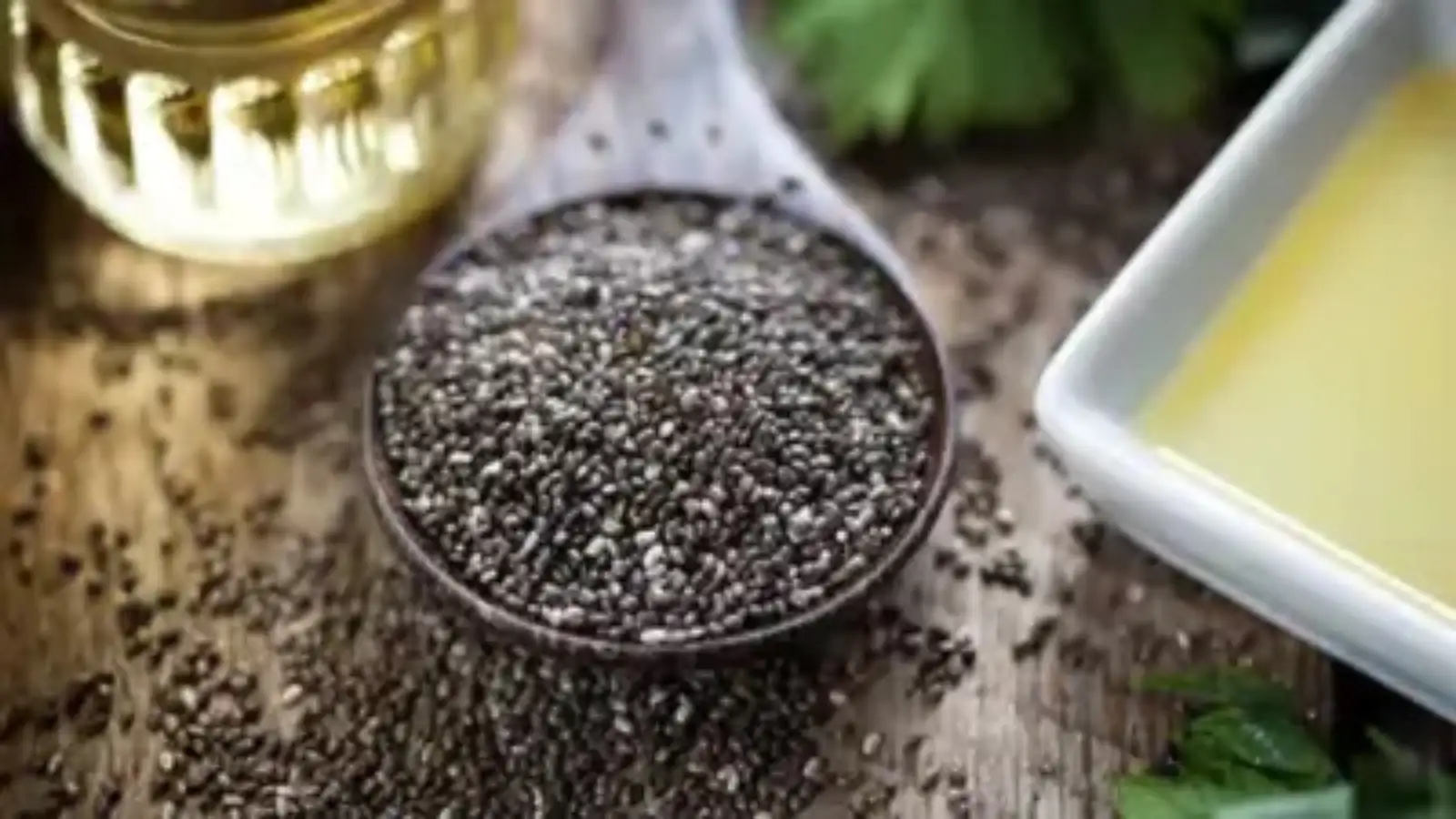
Who Should Avoid Chia Seeds ?
1. Individuals on Blood Sugar Medications
Chia seeds are known for regulating blood sugar due to their high fibre content, but they can interact with blood sugar medications like metformin. This may disrupt the medication’s effectiveness, leading to fluctuations in blood sugar levels. Always consult your doctor before adding chia seeds to your diet if you're on medication for diabetes.
2. People with Low Blood Pressure
Rich in potassium and omega-3 fatty acids, chia seeds can help lower high blood pressure. However, for individuals with already low blood pressure, they could further lower blood pressure levels, potentially causing dizziness or fatigue. It's best to avoid daily consumption if you're prone to low blood pressure.
3. People with Digestive Sensitivities
Chia seeds are packed with fibre, which can cause digestive discomfort such as bloating, gas, or constipation if consumed in excess, particularly for people with conditions like Irritable Bowel Syndrome (IBS). Start with small amounts and ensure you're staying hydrated to avoid aggravating symptoms.
4. Those with Seed Allergies
Although rare, some people may have allergic reactions to chia seeds, including skin rashes or respiratory issues. If you're allergic to other seeds, it's crucial to consult an allergist before introducing chia seeds into your diet.
5. Pregnant or Breastfeeding Women
Chia seeds may affect hormone levels and interact with certain medications, making it important for pregnant or breastfeeding women to consult a healthcare professional before adding them to their diet.
Tips for Safely Incorporating Chia Seeds
Chia seeds are a versatile superfood, but like any health trend, they should be incorporated carefully, especially for individuals with certain health conditions. Always prioritize your personal health and consult with a professional if unsure.
Who Should Avoid Chia Seeds ?
1. Individuals on Blood Sugar Medications
Chia seeds are known for regulating blood sugar due to their high fibre content, but they can interact with blood sugar medications like metformin. This may disrupt the medication’s effectiveness, leading to fluctuations in blood sugar levels. Always consult your doctor before adding chia seeds to your diet if you're on medication for diabetes. 2. People with Low Blood Pressure
Rich in potassium and omega-3 fatty acids, chia seeds can help lower high blood pressure. However, for individuals with already low blood pressure, they could further lower blood pressure levels, potentially causing dizziness or fatigue. It's best to avoid daily consumption if you're prone to low blood pressure.You may also like
- Irregular periods accompanied by acne and hair loss? Could it be PCOS?
- When Rajdhani Express stopped in Assam: The unusual encounter that held up India's one of the superfast trains
- Karan Johar to Bring R.N. Kao's Spy Story to the Big Screen in August 2028
- Nagaland Film Angh Enters Oscar 2027 Race After Winning TIFF Platform Award
- Inside Uzbekistan's new landmark housing one of the world's oldest Qurans
3. People with Digestive Sensitivities
Chia seeds are packed with fibre, which can cause digestive discomfort such as bloating, gas, or constipation if consumed in excess, particularly for people with conditions like Irritable Bowel Syndrome (IBS). Start with small amounts and ensure you're staying hydrated to avoid aggravating symptoms. 4. Those with Seed Allergies
Although rare, some people may have allergic reactions to chia seeds, including skin rashes or respiratory issues. If you're allergic to other seeds, it's crucial to consult an allergist before introducing chia seeds into your diet.5. Pregnant or Breastfeeding Women
Chia seeds may affect hormone levels and interact with certain medications, making it important for pregnant or breastfeeding women to consult a healthcare professional before adding them to their diet. Tips for Safely Incorporating Chia Seeds
- Start small: Begin with 1–2 tablespoons and gradually increase to allow your digestive system to adjust.
- Soak them: Soaking chia seeds in water or plant-based milk can improve nutrient absorption and reduce phytic acid, enhancing their overall benefits.
- Pair wisely: Combine chia seeds with other sources of omega-3s and fibre to avoid overconsumption.
- Seek advice: If you have any health concerns, particularly with pre-existing conditions, consult a nutritionist before adding chia seeds to your diet.
Chia seeds are a versatile superfood, but like any health trend, they should be incorporated carefully, especially for individuals with certain health conditions. Always prioritize your personal health and consult with a professional if unsure.






Loving Newspoint? Download the app now
