
Chilly All Day Long? Discover The Underlying Reasons

Constantly feeling cold can be more than just an uncomfortable experience—it may also signal underlying health issues. While it is common to feel chilly during colder months, some people tend to feel cold all year round, even in warm environments. There are several potential causes for this sensation, ranging from simple lifestyle factors to more complex medical conditions. Identifying the cause is key to addressing it effectively. If you find yourself often reaching for a blanket or layering up, here are some possible reasons why you always feel cold.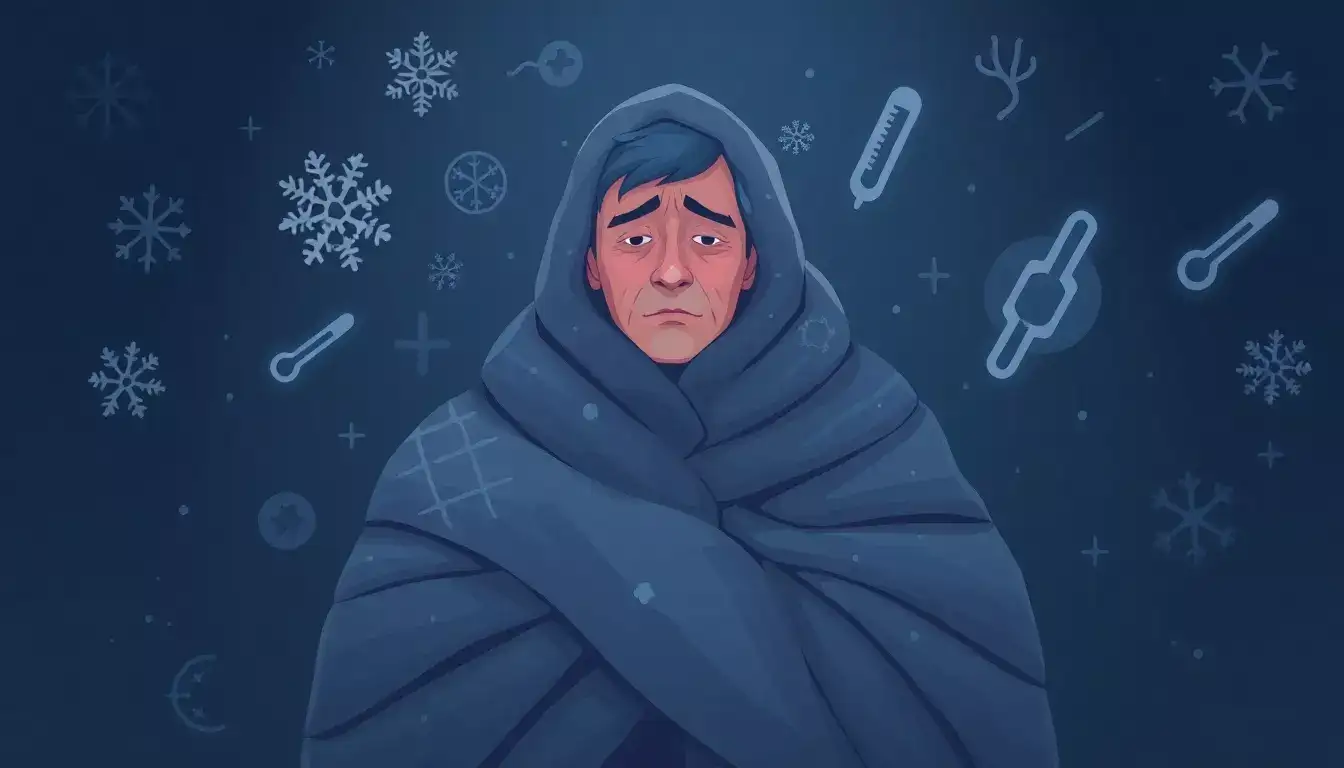
1. Thyroid Issues
One of the most common reasons for always feeling cold is hypothyroidism, a condition where the thyroid gland doesn't produce enough thyroid hormones. These hormones play a critical role in regulating body temperature. When levels are low, your body may struggle to maintain its ideal temperature, leading to persistent feelings of coldness. Other symptoms of hypothyroidism include fatigue, weight gain, dry skin, and hair loss. If you suspect a thyroid problem, it’s essential to consult a doctor for a blood test and proper diagnosis.
2. Iron Deficiency Anaemia
Iron deficiency anaemia occurs when the body lacks enough iron to produce hemoglobin, the protein in red blood cells responsible for carrying oxygen. Without adequate oxygen supply, your body may feel colder as blood circulation is compromised. People with anaemia often experience cold hands and feet, fatigue, dizziness, and weakness. A simple blood test can determine iron levels, and iron-rich foods such as spinach, red meat, and lentils can help address the deficiency.
3. Poor Circulation
If you have poor circulation, your blood may not reach the extremities of your body effectively, which can cause you to feel cold, especially in the hands and feet. Conditions such as peripheral artery disease (PAD), diabetes, or Raynaud’s disease can impair blood flow and contribute to cold sensations. Poor circulation may also be accompanied by numbness, tingling, or swelling in the limbs. A healthcare professional can help identify the cause of poor circulation and recommend treatments or lifestyle changes to improve blood flow.
4. Low Body Fat
Body fat acts as an insulator, helping to maintain your body temperature. If you have very low body fat, you may be more prone to feeling cold, especially during the winter months. Thin individuals or those who are malnourished may not have enough fat to keep themselves warm. If you are constantly feeling cold and have experienced unintentional weight loss, it’s important to consult a healthcare provider to rule out underlying conditions such as eating disorders or malnutrition.
5. Dehydration
Water is essential for regulating body temperature. Dehydration can impair the body’s ability to maintain an optimal internal temperature, making you feel cold. When you’re dehydrated, your body may also struggle to pump blood effectively, contributing to poor circulation and a cold sensation. Drinking sufficient water throughout the day can help prevent dehydration and regulate body temperature. Remember that factors like exercise, hot weather, or illness may increase your water needs.
6. Infections and Fever
Sometimes, infections or fevers can cause fluctuations in body temperature. When your body is fighting off an infection, it may feel cold as your body tries to regulate its internal temperature. This cold feeling could occur before a fever spikes. Other symptoms associated with infections, such as chills, fatigue, and muscle aches, often accompany this sensation. If you suspect an infection, it’s crucial to seek medical attention to receive the appropriate treatment.
7. Vitamin B12 Deficiency
Vitamin B12 is essential for the production of red blood cells and nerve function. A deficiency in B12 can lead to anaemia, which, as mentioned earlier, can make you feel cold. Low B12 levels can also cause symptoms such as fatigue, weakness, and dizziness. Older adults, vegetarians, and individuals with certain digestive disorders may be more susceptible to B12 deficiency. A blood test can confirm B12 levels, and supplementation or dietary changes may be required to resolve the deficiency.
8. Hypoglycaemia
Hypoglycaemia, or low blood sugar, can cause a range of symptoms, including feeling cold. When blood sugar levels drop too low, your body may have difficulty maintaining its temperature. This can lead to cold sweats, chills, and shaking. Hypoglycaemia is common in individuals with diabetes, especially if insulin or medications are not properly balanced. Monitoring blood sugar levels and adjusting your diet can help prevent hypoglycaemia.
9. Stress and Anxiety
Chronic stress and anxiety can affect your body’s ability to regulate temperature. When you are stressed, your body enters 'fight or flight' mode, which can divert blood flow away from the extremities, leaving you feeling cold. Anxiety can also trigger physical responses such as shivering or cold sweats. If you find that stress or anxiety is causing you to feel cold regularly, it may be helpful to practice relaxation techniques, such as deep breathing, yoga, or meditation, to help manage stress levels.
10. Medications
Certain medications can interfere with your body’s ability to regulate its temperature. For example, beta-blockers, which are often prescribed for high blood pressure or heart conditions, can cause cold hands and feet by constricting blood vessels. Similarly, medications for depression, anxiety, or pain management may also lead to temperature sensitivity. If you suspect your medication is affecting your body temperature, speak to your doctor about potential alternatives.
Feeling cold all the time can be a sign of an underlying health issue that requires attention. While some causes are relatively simple to manage, others may need medical intervention. If you regularly feel cold, particularly if it's accompanied by other symptoms like fatigue, weight gain, or dizziness, it’s essential to consult a healthcare professional to determine the cause. By addressing the root cause, you can take steps to manage your condition and improve your overall health and well-being.
1. Thyroid Issues
One of the most common reasons for always feeling cold is hypothyroidism, a condition where the thyroid gland doesn't produce enough thyroid hormones. These hormones play a critical role in regulating body temperature. When levels are low, your body may struggle to maintain its ideal temperature, leading to persistent feelings of coldness. Other symptoms of hypothyroidism include fatigue, weight gain, dry skin, and hair loss. If you suspect a thyroid problem, it’s essential to consult a doctor for a blood test and proper diagnosis.
2. Iron Deficiency Anaemia
Iron deficiency anaemia occurs when the body lacks enough iron to produce hemoglobin, the protein in red blood cells responsible for carrying oxygen. Without adequate oxygen supply, your body may feel colder as blood circulation is compromised. People with anaemia often experience cold hands and feet, fatigue, dizziness, and weakness. A simple blood test can determine iron levels, and iron-rich foods such as spinach, red meat, and lentils can help address the deficiency.
3. Poor Circulation
If you have poor circulation, your blood may not reach the extremities of your body effectively, which can cause you to feel cold, especially in the hands and feet. Conditions such as peripheral artery disease (PAD), diabetes, or Raynaud’s disease can impair blood flow and contribute to cold sensations. Poor circulation may also be accompanied by numbness, tingling, or swelling in the limbs. A healthcare professional can help identify the cause of poor circulation and recommend treatments or lifestyle changes to improve blood flow.
4. Low Body Fat
Body fat acts as an insulator, helping to maintain your body temperature. If you have very low body fat, you may be more prone to feeling cold, especially during the winter months. Thin individuals or those who are malnourished may not have enough fat to keep themselves warm. If you are constantly feeling cold and have experienced unintentional weight loss, it’s important to consult a healthcare provider to rule out underlying conditions such as eating disorders or malnutrition.
You may also like
- Quote of the day by Steve Jobs: "Coming back to America was, for me, much more of a cultural shock than going to India"; how one journey changed his life forever
- Sarnath is now India's 45th UNESCO World Heritage Site but what happens when a monument gets UNESCO status?
- Unique Baby Names Inspired by Zodiac Signs
- The Path to Inner Wisdom Begins with True Education
- Quote of the Day by Pythagoras, "Do not go to bed until you have gone over the day three times in your mind. What wrong...."
5. Dehydration
Water is essential for regulating body temperature. Dehydration can impair the body’s ability to maintain an optimal internal temperature, making you feel cold. When you’re dehydrated, your body may also struggle to pump blood effectively, contributing to poor circulation and a cold sensation. Drinking sufficient water throughout the day can help prevent dehydration and regulate body temperature. Remember that factors like exercise, hot weather, or illness may increase your water needs.
6. Infections and Fever
Sometimes, infections or fevers can cause fluctuations in body temperature. When your body is fighting off an infection, it may feel cold as your body tries to regulate its internal temperature. This cold feeling could occur before a fever spikes. Other symptoms associated with infections, such as chills, fatigue, and muscle aches, often accompany this sensation. If you suspect an infection, it’s crucial to seek medical attention to receive the appropriate treatment.
7. Vitamin B12 Deficiency
Vitamin B12 is essential for the production of red blood cells and nerve function. A deficiency in B12 can lead to anaemia, which, as mentioned earlier, can make you feel cold. Low B12 levels can also cause symptoms such as fatigue, weakness, and dizziness. Older adults, vegetarians, and individuals with certain digestive disorders may be more susceptible to B12 deficiency. A blood test can confirm B12 levels, and supplementation or dietary changes may be required to resolve the deficiency.
8. Hypoglycaemia
Hypoglycaemia, or low blood sugar, can cause a range of symptoms, including feeling cold. When blood sugar levels drop too low, your body may have difficulty maintaining its temperature. This can lead to cold sweats, chills, and shaking. Hypoglycaemia is common in individuals with diabetes, especially if insulin or medications are not properly balanced. Monitoring blood sugar levels and adjusting your diet can help prevent hypoglycaemia.
9. Stress and Anxiety
Chronic stress and anxiety can affect your body’s ability to regulate temperature. When you are stressed, your body enters 'fight or flight' mode, which can divert blood flow away from the extremities, leaving you feeling cold. Anxiety can also trigger physical responses such as shivering or cold sweats. If you find that stress or anxiety is causing you to feel cold regularly, it may be helpful to practice relaxation techniques, such as deep breathing, yoga, or meditation, to help manage stress levels.
10. Medications
Certain medications can interfere with your body’s ability to regulate its temperature. For example, beta-blockers, which are often prescribed for high blood pressure or heart conditions, can cause cold hands and feet by constricting blood vessels. Similarly, medications for depression, anxiety, or pain management may also lead to temperature sensitivity. If you suspect your medication is affecting your body temperature, speak to your doctor about potential alternatives.
Feeling cold all the time can be a sign of an underlying health issue that requires attention. While some causes are relatively simple to manage, others may need medical intervention. If you regularly feel cold, particularly if it's accompanied by other symptoms like fatigue, weight gain, or dizziness, it’s essential to consult a healthcare professional to determine the cause. By addressing the root cause, you can take steps to manage your condition and improve your overall health and well-being.






Loving Newspoint? Download the app now
