Chilly All Day Long? Discover The Underlying Reasons

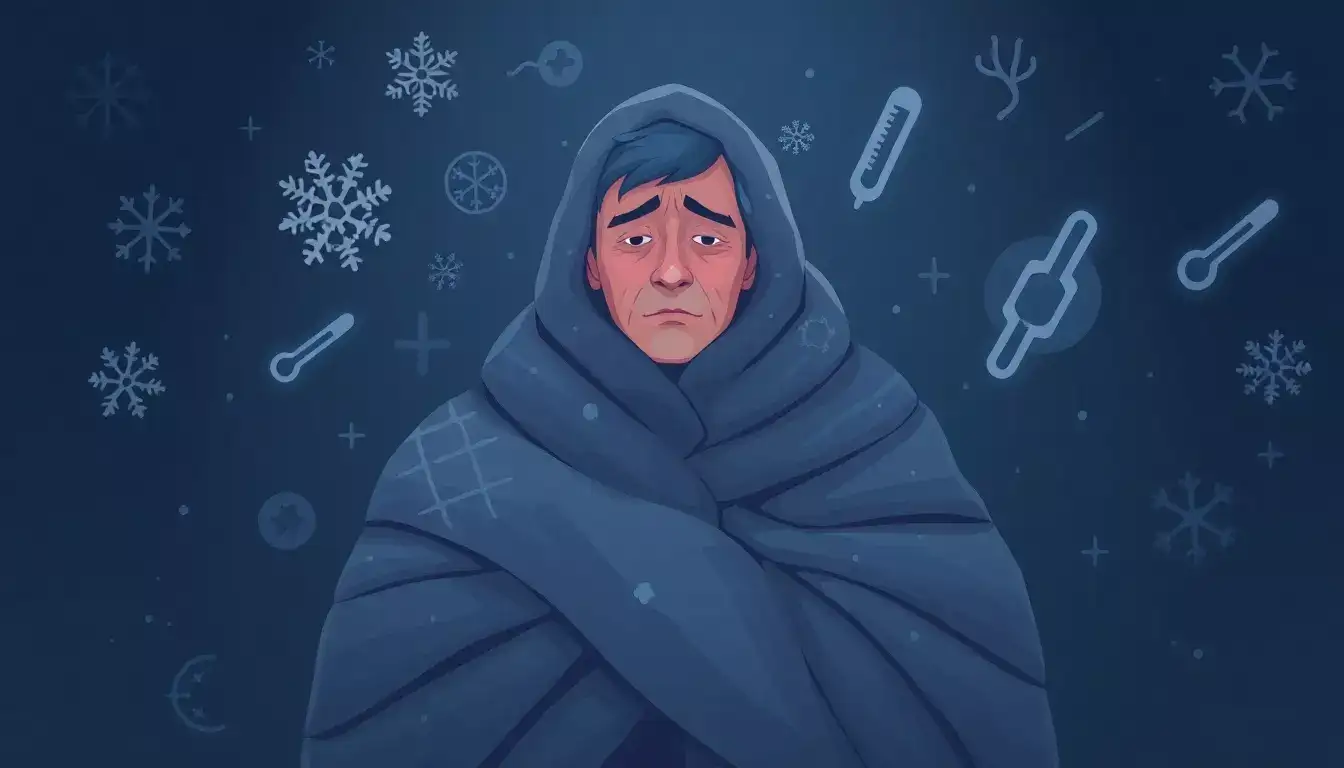
Constantly feeling cold can be more than just an uncomfortable experience—it may also signal underlying health issues. While it is common to feel chilly during colder months, some people tend to feel cold all year round, even in warm environments. There are several potential causes for this sensation, ranging from simple lifestyle factors to more complex medical conditions. Identifying the cause is key to addressing it effectively. If you find yourself often reaching for a blanket or layering up, here are some possible reasons why you always feel cold.
1. Thyroid Issues
One of the most common reasons for always feeling cold is hypothyroidism, a condition where the thyroid gland doesn't produce enough thyroid hormones. These hormones play a critical role in regulating body temperature. When levels are low, your body may struggle to maintain its ideal temperature, leading to persistent feelings of coldness. Other symptoms of hypothyroidism include fatigue, weight gain, dry skin, and hair loss. If you suspect a thyroid problem, it’s essential to consult a doctor for a blood test and proper diagnosis.
2. Iron Deficiency Anaemia
Iron deficiency anaemia occurs when the body lacks enough iron to produce hemoglobin, the protein in red blood cells responsible for carrying oxygen. Without adequate oxygen supply, your body may feel colder as blood circulation is compromised. People with anaemia often experience cold hands and feet, fatigue, dizziness, and weakness. A simple blood test can determine iron levels, and iron-rich foods such as spinach, red meat, and lentils can help address the deficiency.
3. Poor Circulation
If you have poor circulation, your blood may not reach the extremities of your body effectively, which can cause you to feel cold, especially in the hands and feet. Conditions such as peripheral artery disease (PAD), diabetes, or Raynaud’s disease can impair blood flow and contribute to cold sensations. Poor circulation may also be accompanied by numbness, tingling, or swelling in the limbs. A healthcare professional can help identify the cause of poor circulation and recommend treatments or lifestyle changes to improve blood flow.
4. Low Body Fat
Body fat acts as an insulator, helping to maintain your body temperature. If you have very low body fat, you may be more prone to feeling cold, especially during the winter months. Thin individuals or those who are malnourished may not have enough fat to keep themselves warm. If you are constantly feeling cold and have experienced unintentional weight loss, it’s important to consult a healthcare provider to rule out underlying conditions such as eating disorders or malnutrition.
1. Thyroid Issues
One of the most common reasons for always feeling cold is hypothyroidism, a condition where the thyroid gland doesn't produce enough thyroid hormones. These hormones play a critical role in regulating body temperature. When levels are low, your body may struggle to maintain its ideal temperature, leading to persistent feelings of coldness. Other symptoms of hypothyroidism include fatigue, weight gain, dry skin, and hair loss. If you suspect a thyroid problem, it’s essential to consult a doctor for a blood test and proper diagnosis.
2. Iron Deficiency Anaemia
Iron deficiency anaemia occurs when the body lacks enough iron to produce hemoglobin, the protein in red blood cells responsible for carrying oxygen. Without adequate oxygen supply, your body may feel colder as blood circulation is compromised. People with anaemia often experience cold hands and feet, fatigue, dizziness, and weakness. A simple blood test can determine iron levels, and iron-rich foods such as spinach, red meat, and lentils can help address the deficiency.
3. Poor Circulation
If you have poor circulation, your blood may not reach the extremities of your body effectively, which can cause you to feel cold, especially in the hands and feet. Conditions such as peripheral artery disease (PAD), diabetes, or Raynaud’s disease can impair blood flow and contribute to cold sensations. Poor circulation may also be accompanied by numbness, tingling, or swelling in the limbs. A healthcare professional can help identify the cause of poor circulation and recommend treatments or lifestyle changes to improve blood flow.
4. Low Body Fat
Body fat acts as an insulator, helping to maintain your body temperature. If you have very low body fat, you may be more prone to feeling cold, especially during the winter months. Thin individuals or those who are malnourished may not have enough fat to keep themselves warm. If you are constantly feeling cold and have experienced unintentional weight loss, it’s important to consult a healthcare provider to rule out underlying conditions such as eating disorders or malnutrition.
Next Story