
Why Do Some Indian Hill Stations Have Colonial Architecture?

Walk through parts of Shimla, Mussoorie, Darjeeling or Kasauli and the architecture can seem surprisingly different from the rest of India. Steep-roofed houses, churches, old hotels, wooden balconies, Gothic windows, stone facades and carefully planned promenades create a visual character that stands apart from many other Indian towns.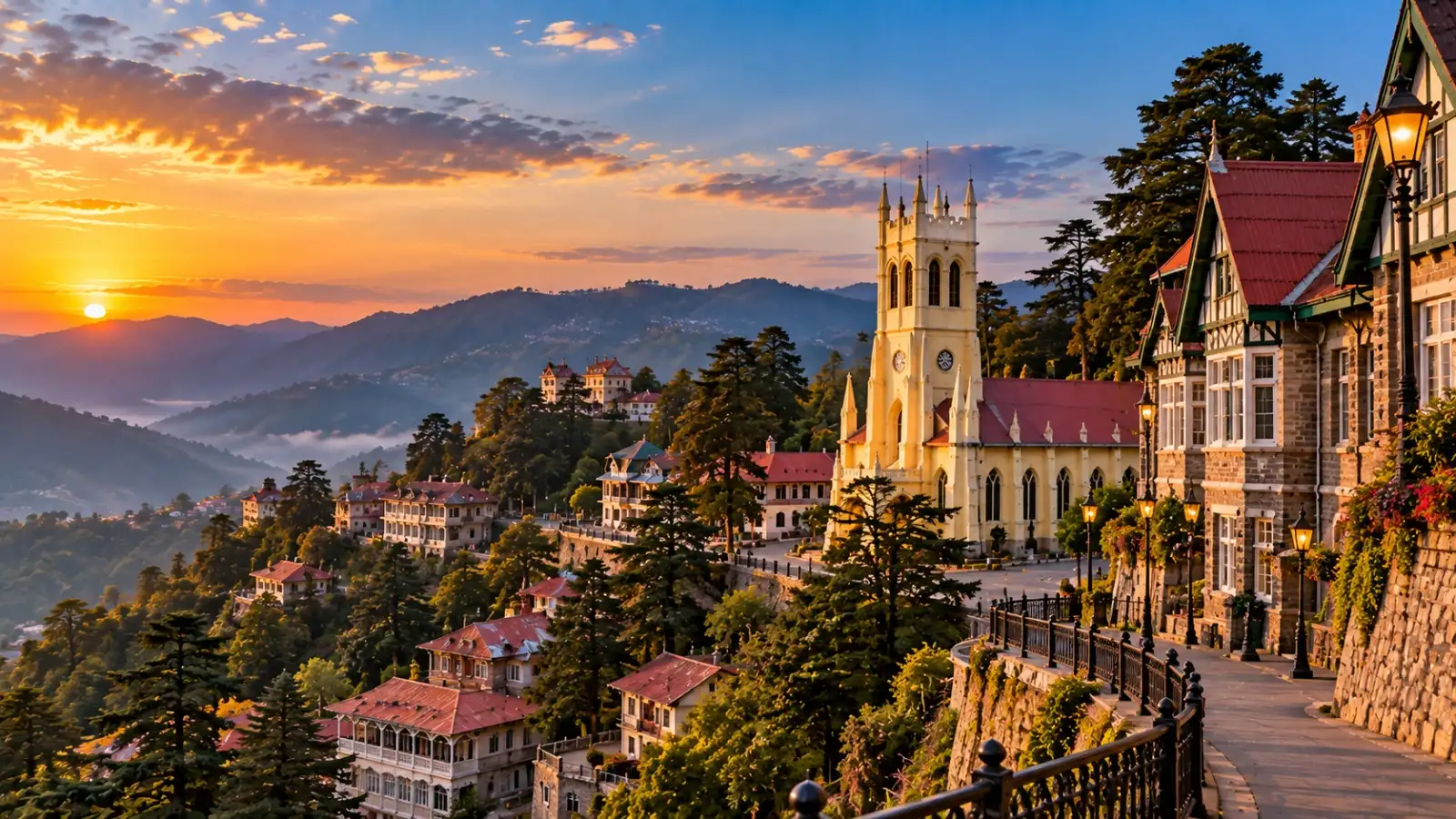
This did not happen by accident.
Several Indian hill stations were developed or substantially expanded during British colonial rule. The British established these settlements as places to escape the heat of the plains, while others became administrative centres, military cantonments or health retreats. As these towns grew, their buildings reflected European architectural ideas while also adapting to local materials, terrain and climate. Himachal Tourism notes that the British establishment of hill stations played a major role in the development of tourism in the state, with Shimla becoming the summer capital of British India in 1864.
The plains of India could become extremely hot during summer, creating difficult conditions for British officials accustomed to cooler climates. Mountain locations offered lower temperatures, cleaner air and relief from the heat.
Shimla became the most important example. Located at around 2,205 metres, it was declared the summer capital of British India, and government offices and officials moved there during the warmer months.
Mussoorie followed a similar pattern. Incredible India records that the settlement developed after British officers reached the hills in the early 19th century and that it eventually became a summer retreat for the British.
Darjeeling was also developed as a hill retreat after coming under East India Company control in the 19th century. Its cool climate was considered suitable for a sanatorium, and the town subsequently became the summer capital of the Bengal Presidency.
Naturally, many of these structures reflected architectural styles familiar to them.
This is why buildings influenced by Gothic, Tudor, Victorian, Jacobethan and other European traditions can be found in several Indian hill stations. They were not necessarily exact copies of European buildings. Architects and builders adapted imported ideas to the mountain environment, using locally available stone, timber and other materials.
Shimla provides one of the clearest examples. Himachal Tourism describes the town as having some of India's finest examples of British-colonial architecture, including English Renaissance, neo-Gothic and Tudor-influenced structures.
Mountain regions experience heavy rainfall and, in some locations, snowfall. A steeply pitched roof allows rainwater and snow to slide away more easily instead of accumulating on the structure.
This made the design practical as well as visually distinctive.
Timber was also widely used in some Himalayan areas because it was locally available and could provide useful insulation. Large windows, fireplaces, verandas and enclosed interiors were similarly adapted to the local climate and the preferences of the people who occupied these buildings.
Over time, these features became part of the visual identity associated with Indian hill stations.
The town still contains buildings associated with different phases of British rule. The former Viceregal Lodge, now the Indian Institute of Advanced Study, was built in 1888 and features an English Renaissance-inspired design. Gaiety Theatre is associated with Victorian architecture, while Gorton Castle is known for its Gothic-style elements.
Christ Church provides another example. Its origins date to the period when a substantial British and Anglo-Indian Christian community lived in Shimla, and the church was completed in the 1850s.
The result is a town where colonial buildings are not isolated monuments. They form part of the streetscape alongside modern shops, Indian homes, temples and markets.
The town sits among steep Himalayan slopes and tea plantations, and its colonial history is closely connected with the development of the hill station and the tea industry.
Colonial-era buildings became part of the town's wider infrastructure, including residences, hotels, schools and administrative structures. The historic Darjeeling Himalayan Railway added another layer to this landscape, connecting the hill town with the plains and facilitating movement of people and goods.
Today, Darjeeling's identity combines colonial-era architecture with Tibetan monasteries, Nepali cultural influences, tea estates and local markets. Incredible India specifically describes the town's character as a combination of colonial-era architecture, Tibetan monasteries, tea plantations and local traditions.
The British presence shaped the development of houses, churches, schools, hotels and public spaces. Landour, in particular, retains a number of old structures and roads associated with the colonial period.
The town's development as a summer retreat explains why its architecture often feels more residential and recreational than overtly administrative. Instead of being dominated by government complexes, Mussoorie's historic character is closely connected with cottages, hotels, churches and promenades.
The colonial legacy is still visible around areas such as Mall Road and Landour, although modern construction has changed much of the town.
Kasauli in Himachal Pradesh is a good example. Its quieter streets contain old bungalows, churches, hotels and other colonial-era structures surrounded by pine and oak forests.
Himachal Tourism specifically identifies Kasauli, along with Dalhousie, as another part of the state where colonial buildings remain visible.
The smaller scale of Kasauli can make its architecture easier to appreciate. Instead of encountering large government complexes, visitors often come across individual heritage buildings integrated into a forested hillside setting.
The town developed churches, residences, hotels and other buildings reflecting European architectural preferences. Himachal Tourism lists Dalhousie among the state's hill stations where colonial architecture remains part of the heritage landscape.
At the same time, Dalhousie was never completely detached from the surrounding Indian landscape. Local building materials, Himalayan conditions and regional influences contributed to the appearance of the town.
Long before British hill stations developed, Himalayan communities had their own architectural traditions. Houses, temples, monasteries and other structures were designed according to local climate, materials, religious traditions and social practices.
Even during the colonial period, European architectural ideas interacted with Indian craftsmanship and local building techniques. Himachal Tourism, for example, documents buildings such as Padam Palace that combine European and Indian design themes, while Rang Mahal in Chamba is described as a fusion of Mughal and British architectural styles.
This mixture is important because it shows that colonial architecture in India was not simply a collection of European buildings transplanted into the mountains.
Stone walls, timber frames, pitched roofs and large windows contrast strongly with the surrounding green hills and dense forests. Buildings are often positioned on slopes or ridges, making them prominent against the landscape.
Weathering has also added to their character. Moss-covered stone, aged timber, old chimneys and faded facades can make a building appear even older and more atmospheric.
In Shimla, for instance, many historic structures sit among pine and cedar-covered slopes, creating the distinctive combination of mountain scenery and colonial architecture that visitors associate with the city.
The construction of railways and mountain roads made it easier for people, building materials and supplies to reach otherwise difficult terrain. The Kalka-Shimla Railway is a particularly important example and is now recognised as part of a UNESCO World Heritage railway network.
Better connectivity allowed hill stations to grow from small settlements into functioning towns with hotels, markets, schools, administrative buildings and residential areas.
The architecture that survives today therefore represents a much wider process of urban development rather than simply a preference for European-looking buildings.
Many colonial structures were repurposed for Indian government institutions, universities, hotels, museums and other uses. The former Viceregal Lodge in Shimla is now the Indian Institute of Advanced Study, while several historic buildings across Himachal have been adapted as heritage properties.
This has allowed many structures to survive while giving them a new role within independent India.
Some buildings have also been restored as heritage hotels, allowing visitors to experience their architecture directly.
At the same time, they have become part of the architectural and cultural history of the towns where they stand. Their continued existence provides evidence of how Indian cities changed during the 19th and early 20th centuries.
Today, these buildings are therefore best understood in historical context. They tell stories not only about British officials but also about Indian workers, craftsmen, communities, rulers and institutions that contributed to the development of these mountain towns.
British officials established hill settlements to escape the heat of the plains, and these towns gradually developed into administrative, military and recreational centres. European architectural styles were introduced through residences, government buildings, churches, hotels and public institutions, while local materials, craftsmen and Himalayan conditions influenced how those designs actually appeared.
That is why these hill stations can look distinctly different from other Indian towns. Their architecture is a physical record of a particular period in India's history, shaped by colonial rule but also adapted by the people and landscapes of the region.
Today, walking through these towns means encountering several layers at once: Himalayan geography, older Indian traditions, colonial-era structures and the modern life that has grown around them.
This did not happen by accident.
Several Indian hill stations were developed or substantially expanded during British colonial rule. The British established these settlements as places to escape the heat of the plains, while others became administrative centres, military cantonments or health retreats. As these towns grew, their buildings reflected European architectural ideas while also adapting to local materials, terrain and climate. Himachal Tourism notes that the British establishment of hill stations played a major role in the development of tourism in the state, with Shimla becoming the summer capital of British India in 1864.
Why Did the British Build Hill Stations?
Climate was one of the biggest reasons.The plains of India could become extremely hot during summer, creating difficult conditions for British officials accustomed to cooler climates. Mountain locations offered lower temperatures, cleaner air and relief from the heat.
Shimla became the most important example. Located at around 2,205 metres, it was declared the summer capital of British India, and government offices and officials moved there during the warmer months.
Mussoorie followed a similar pattern. Incredible India records that the settlement developed after British officers reached the hills in the early 19th century and that it eventually became a summer retreat for the British.
Darjeeling was also developed as a hill retreat after coming under East India Company control in the 19th century. Its cool climate was considered suitable for a sanatorium, and the town subsequently became the summer capital of the Bengal Presidency.
Architecture Followed the People
Once British officials began spending extended periods in these mountain towns, they needed houses, government buildings, churches, schools, clubs, hotels and administrative offices.Naturally, many of these structures reflected architectural styles familiar to them.
This is why buildings influenced by Gothic, Tudor, Victorian, Jacobethan and other European traditions can be found in several Indian hill stations. They were not necessarily exact copies of European buildings. Architects and builders adapted imported ideas to the mountain environment, using locally available stone, timber and other materials.
Shimla provides one of the clearest examples. Himachal Tourism describes the town as having some of India's finest examples of British-colonial architecture, including English Renaissance, neo-Gothic and Tudor-influenced structures.
Why Do Hill Station Buildings Have Steep Roofs?
The steep roofs found across many colonial-era hill stations are not simply an aesthetic choice.Mountain regions experience heavy rainfall and, in some locations, snowfall. A steeply pitched roof allows rainwater and snow to slide away more easily instead of accumulating on the structure.
This made the design practical as well as visually distinctive.
Timber was also widely used in some Himalayan areas because it was locally available and could provide useful insulation. Large windows, fireplaces, verandas and enclosed interiors were similarly adapted to the local climate and the preferences of the people who occupied these buildings.
Over time, these features became part of the visual identity associated with Indian hill stations.
Shimla Became the Classic Example
Few Indian cities demonstrate the connection between colonial administration and hill-station architecture as clearly as Shimla.The town still contains buildings associated with different phases of British rule. The former Viceregal Lodge, now the Indian Institute of Advanced Study, was built in 1888 and features an English Renaissance-inspired design. Gaiety Theatre is associated with Victorian architecture, while Gorton Castle is known for its Gothic-style elements.
Christ Church provides another example. Its origins date to the period when a substantial British and Anglo-Indian Christian community lived in Shimla, and the church was completed in the 1850s.
The result is a town where colonial buildings are not isolated monuments. They form part of the streetscape alongside modern shops, Indian homes, temples and markets.
Darjeeling Developed Its Own Colonial Character
Darjeeling's architecture developed within a very different landscape.The town sits among steep Himalayan slopes and tea plantations, and its colonial history is closely connected with the development of the hill station and the tea industry.
Colonial-era buildings became part of the town's wider infrastructure, including residences, hotels, schools and administrative structures. The historic Darjeeling Himalayan Railway added another layer to this landscape, connecting the hill town with the plains and facilitating movement of people and goods.
Today, Darjeeling's identity combines colonial-era architecture with Tibetan monasteries, Nepali cultural influences, tea estates and local markets. Incredible India specifically describes the town's character as a combination of colonial-era architecture, Tibetan monasteries, tea plantations and local traditions.
Mussoorie Has a Different Colonial Landscape
Mussoorie's colonial architecture is particularly visible around the older parts of the town and nearby Landour.The British presence shaped the development of houses, churches, schools, hotels and public spaces. Landour, in particular, retains a number of old structures and roads associated with the colonial period.
The town's development as a summer retreat explains why its architecture often feels more residential and recreational than overtly administrative. Instead of being dominated by government complexes, Mussoorie's historic character is closely connected with cottages, hotels, churches and promenades.
The colonial legacy is still visible around areas such as Mall Road and Landour, although modern construction has changed much of the town.
Kasauli Shows the Smaller Hill Station Model
Not every colonial hill station became a major administrative capital. Some remained comparatively small settlements.Kasauli in Himachal Pradesh is a good example. Its quieter streets contain old bungalows, churches, hotels and other colonial-era structures surrounded by pine and oak forests.
Himachal Tourism specifically identifies Kasauli, along with Dalhousie, as another part of the state where colonial buildings remain visible.
The smaller scale of Kasauli can make its architecture easier to appreciate. Instead of encountering large government complexes, visitors often come across individual heritage buildings integrated into a forested hillside setting.
Dalhousie Also Retains Colonial Influences
Dalhousie was established in the 19th century as another British hill settlement in Himachal Pradesh. Its location across several hills created a distinctive town plan, with roads and buildings following the mountainous terrain.The town developed churches, residences, hotels and other buildings reflecting European architectural preferences. Himachal Tourism lists Dalhousie among the state's hill stations where colonial architecture remains part of the heritage landscape.
At the same time, Dalhousie was never completely detached from the surrounding Indian landscape. Local building materials, Himalayan conditions and regional influences contributed to the appearance of the town.
Colonial Architecture Was Not the Only Architecture
It is important not to assume that everything old in an Indian hill station is colonial.Long before British hill stations developed, Himalayan communities had their own architectural traditions. Houses, temples, monasteries and other structures were designed according to local climate, materials, religious traditions and social practices.
Even during the colonial period, European architectural ideas interacted with Indian craftsmanship and local building techniques. Himachal Tourism, for example, documents buildings such as Padam Palace that combine European and Indian design themes, while Rang Mahal in Chamba is described as a fusion of Mughal and British architectural styles.
This mixture is important because it shows that colonial architecture in India was not simply a collection of European buildings transplanted into the mountains.
Why Do Colonial Buildings Suit Mountain Landscapes?
There is also a visual reason these buildings remain so noticeable.Stone walls, timber frames, pitched roofs and large windows contrast strongly with the surrounding green hills and dense forests. Buildings are often positioned on slopes or ridges, making them prominent against the landscape.
Weathering has also added to their character. Moss-covered stone, aged timber, old chimneys and faded facades can make a building appear even older and more atmospheric.
In Shimla, for instance, many historic structures sit among pine and cedar-covered slopes, creating the distinctive combination of mountain scenery and colonial architecture that visitors associate with the city.
Railways Helped Connect These Hill Stations
Architecture was only one part of the story. Transport infrastructure also helped these towns develop.The construction of railways and mountain roads made it easier for people, building materials and supplies to reach otherwise difficult terrain. The Kalka-Shimla Railway is a particularly important example and is now recognised as part of a UNESCO World Heritage railway network.
Better connectivity allowed hill stations to grow from small settlements into functioning towns with hotels, markets, schools, administrative buildings and residential areas.
The architecture that survives today therefore represents a much wider process of urban development rather than simply a preference for European-looking buildings.
What Happened After Independence?
India's independence in 1947 changed the political purpose of these towns, but the buildings did not disappear.You may also like
- Why Dietary Fiber Is the Ultimate Lifesaver for Your Heart and Microbiome
- Dietary Fiber: Gut Cleansing, How It Protects Heart Health & Fights Inflammation
- Looking 40 at 25, Stop These Everyday Habits Making You Age 15 Years Faster
- Eating Only Chicken for a Month, Here's What Really Happens to Your Body
- 'My mom dies alone': Belgian trekker recounts how a legal battle in India kept him away from his dying mother
Many colonial structures were repurposed for Indian government institutions, universities, hotels, museums and other uses. The former Viceregal Lodge in Shimla is now the Indian Institute of Advanced Study, while several historic buildings across Himachal have been adapted as heritage properties.
This has allowed many structures to survive while giving them a new role within independent India.
Some buildings have also been restored as heritage hotels, allowing visitors to experience their architecture directly.
Why Does the Colonial Look Still Matter Today?
The colonial architecture of India's hill stations is part of a complicated history. These buildings were created during British rule and are connected to a period of colonial administration and unequal political power.At the same time, they have become part of the architectural and cultural history of the towns where they stand. Their continued existence provides evidence of how Indian cities changed during the 19th and early 20th centuries.
Today, these buildings are therefore best understood in historical context. They tell stories not only about British officials but also about Indian workers, craftsmen, communities, rulers and institutions that contributed to the development of these mountain towns.
Why Some Hill Stations Look So Different From Other Indian Towns
The colonial appearance of places such as Shimla, Mussoorie, Darjeeling, Kasauli and Dalhousie comes from a particular combination of history and geography.British officials established hill settlements to escape the heat of the plains, and these towns gradually developed into administrative, military and recreational centres. European architectural styles were introduced through residences, government buildings, churches, hotels and public institutions, while local materials, craftsmen and Himalayan conditions influenced how those designs actually appeared.
That is why these hill stations can look distinctly different from other Indian towns. Their architecture is a physical record of a particular period in India's history, shaped by colonial rule but also adapted by the people and landscapes of the region.
Today, walking through these towns means encountering several layers at once: Himalayan geography, older Indian traditions, colonial-era structures and the modern life that has grown around them.






Loving Newspoint? Download the app now
