
Curry Barker on 'Obsession's' success: "I can't believe what it's doing" worldwide


Curry Barker never anticipated that his modestly budgeted thriller ' Obsession ' would become a global cinematic phenomenon. Yet the film has not only achieved commercial success but has also sparked intense cultural conversations particularly in India, where it has surpassed box office figures of several major releases. In an interview, the 26-year-old director reflects on the film's unexpected impact the moral debates surrounding his characters and his commitment to preserving his artistic voice as the industry takes notice.
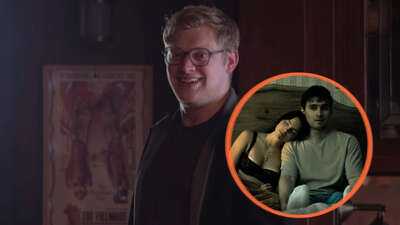
Curry Barker on 'Obsession's' surprising success in India and beyondWhen asked whether he anticipated the film's resonance in countries like India during the writing and production process, Barker was candid about his initial expectations. "I definitely did not expect 'Obsession' to be a big hit in India. I didn't expect it to be a big hit anywhere, really," he told Variety . "You hope and dream that your movie is successful and that it resonates with people. But I can't believe what it's doing. I mean, we made this movie for nothing. I just can't believe that it's getting the recognition that it's getting."
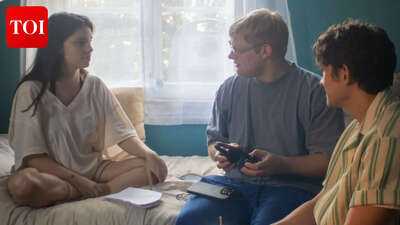 The director expressed particular surprise at the film's cultural penetration and the creative responses it has inspired. "I think the cultural impact has really shocked me. The amount of comedy videos and fan art that people are making for the film is really cool to see. People recreating scenes from the movie and putting a comedy spin on it, is just really cool to see," Barker reflected.
Curry Barker on the moral complexity of Bear and Nikki 's charactersThe internet has engaged in robust debate about the film's moral landscape, particularly regarding the relationship between the two central characters. While Nikki commits morally questionable acts, Bear's decision to strip her of her agency raises questions about where true villainy lies. Barker was direct about his perspective on this tension.
"Definitely. There's no question that Bear becomes the bad guy in this film," he stated. "I think it starts from a pretty innocent place. I was never trying to make a film about some super specific message about men or anything. I actually wanted most people – men and women – to relate to Bear and the aspect that he's just a normal guy with a crush. And we can all relate to that. But I think, as the movie goes on, it's the choices that he makes and the decisions that he goes through with that that make you start to see him as quite the antagonist."
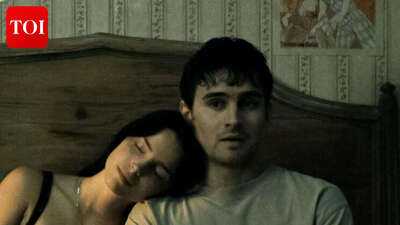 Barker explained his deliberate choice to have Bear repeatedly ignore opportunities to change course, emphasising that this narrative decision was essential to exploring a concept that other media had largely avoided. "I see a lot of movies that have concepts in them where we never get to explore what if this happened, but it happened in a situation where a person didn't do the correct thing," he said. "This concept in general — wishing that someone loved you back — is something that we've seen before in multiple media outlets. But they don't really ever touch on the fact that when you are wishing that someone loves you back, you're 100% taking away their choice and autonomy."
The 'One Wish Willow' as an unexpected cultural phenomenonOne of the film's most surprising cultural developments has been the emergence of the "One Wish Willow" as a collectible and inspiration for fan creations. Barker discussed the peculiar experience of watching his production design become a pop culture artifact in its own right.
"That's crazy. And what's really funny is, on my desk right here is the one wish willow that Bear has in the crystal shop, in the trailer," Barker said, referencing the actual prop. "This has kind of become one of my crown jewels because I'm like, 'Oh my gosh, this is going to be valuable!' You know, this is kind of a collectible item now."
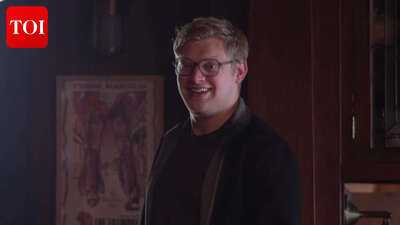 Barker gave particular credit to his mother, who designed the object, noting that she has experienced conflicting emotions watching her creation become ubiquitous. "My mom who heavily designed this thing — I was super-specific about it, it was a back-and-forth process, but my mom pretty much 100% designed it. She's kind of going through a thing where it's bittersweet for her because she's seeing her design just everywhere in the world right now. Just trying to make sure she gets the recognition that she deserves for it," he explained.
Curry Barker on directing actress Inde's complex performanceThe lead actress delivers a performance that requires constant navigation between vulnerability and menace, victim and aggressor. Barker discussed the technical and emotional challenges of achieving this balance.
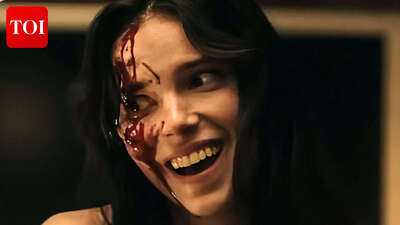 "We knew it was a technically challenging role. I knew that I wanted to do these very quick changes of intent where I was changing from being happy to all of a sudden being freaked out and like all these things that take a lot from an actor," Barker explained. The director emphasized the importance of authenticity over theatrical exaggeration. "We also talked about on set — it's pretty simple in my eyes — just playing it real and not trying to play too far into the possession of it. Not trying to play a demon, just a real girlfriend who's clingy and jealous."
Curry Barker on the film's controversial ending and Nikki's fateThe conclusion of 'Obsession' has generated extensive discussion among audiences grappling with questions of justice, agency and deserved consequences. Barker offered his own interpretation of what Nikki's ending represents.
"I think she's definitely experienced everything that happened in the film. Everything that we saw unfold on screen, she witnessed in a way she wasn't in control, but she witnessed it," he said. "I don't know if it's an ultimate punishment, because that kind of implies that she deserves it. I don't think she deserves it. This is the unfortunate, tragic ending. In my eyes, it's not really a happy ending."
Curry Barker on filmmaker autonomy and the future of independent voicesThe success of 'Obsession' has prompted industry observers to consider what it says about the state of cinema and the value of directorial vision. Barker believes the film's achievement suggests a potential shift toward trusting artists again.
"I think that the industry is at a place where they're going to start trusting the filmmaker again. It was something that was really popular back in the day. Filmmakers used to have a lot of say about their art. And I think it just slowly, slowly changed to whatever the algorithms were and whatever Hollywood thought that people wanted," he reflected. "Hopefully, 'Obsession' can show the industry that the artist having a sole vision for something can sometimes really benefit the outcome of a film."
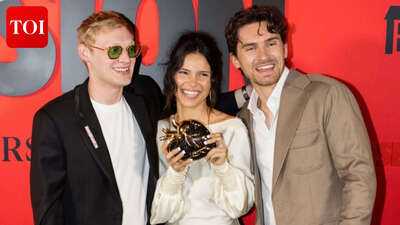 As larger entities express interest in his work, Barker acknowledged that his primary concern lies not with external pressures but with maintaining personal integrity. "Well, I'm actually more nervous about myself than the studio system. I'm trying to just cut out all the noise and try to remember whatever made me unique or made people like my voice in the first place," he said. "I think 'Obsession' turned out well, only because I wasn't making it for anybody else but myself. And I really want to continue that."
His strategy for navigating the industry moving forward involves both practical contractual considerations and psychological discipline. "As far as the studio system, have a good team. And it's all about what's in your contract and who has the final cut?" he said. "With 'Obsession,' I've proven enough that I should have a say in the edit. And I think that there's certain filmmakers that do kind of, unfortunately, get more controlled."
Curry Barker on 'Obsession's' surprising success in India and beyondWhen asked whether he anticipated the film's resonance in countries like India during the writing and production process, Barker was candid about his initial expectations. "I definitely did not expect 'Obsession' to be a big hit in India. I didn't expect it to be a big hit anywhere, really," he told Variety . "You hope and dream that your movie is successful and that it resonates with people. But I can't believe what it's doing. I mean, we made this movie for nothing. I just can't believe that it's getting the recognition that it's getting."
Curry Barker on the moral complexity of Bear and Nikki 's charactersThe internet has engaged in robust debate about the film's moral landscape, particularly regarding the relationship between the two central characters. While Nikki commits morally questionable acts, Bear's decision to strip her of her agency raises questions about where true villainy lies. Barker was direct about his perspective on this tension.
"Definitely. There's no question that Bear becomes the bad guy in this film," he stated. "I think it starts from a pretty innocent place. I was never trying to make a film about some super specific message about men or anything. I actually wanted most people – men and women – to relate to Bear and the aspect that he's just a normal guy with a crush. And we can all relate to that. But I think, as the movie goes on, it's the choices that he makes and the decisions that he goes through with that that make you start to see him as quite the antagonist."
The 'One Wish Willow' as an unexpected cultural phenomenonOne of the film's most surprising cultural developments has been the emergence of the "One Wish Willow" as a collectible and inspiration for fan creations. Barker discussed the peculiar experience of watching his production design become a pop culture artifact in its own right.
"That's crazy. And what's really funny is, on my desk right here is the one wish willow that Bear has in the crystal shop, in the trailer," Barker said, referencing the actual prop. "This has kind of become one of my crown jewels because I'm like, 'Oh my gosh, this is going to be valuable!' You know, this is kind of a collectible item now."
Curry Barker on directing actress Inde's complex performanceThe lead actress delivers a performance that requires constant navigation between vulnerability and menace, victim and aggressor. Barker discussed the technical and emotional challenges of achieving this balance.
Curry Barker on the film's controversial ending and Nikki's fateThe conclusion of 'Obsession' has generated extensive discussion among audiences grappling with questions of justice, agency and deserved consequences. Barker offered his own interpretation of what Nikki's ending represents.
"I think she's definitely experienced everything that happened in the film. Everything that we saw unfold on screen, she witnessed in a way she wasn't in control, but she witnessed it," he said. "I don't know if it's an ultimate punishment, because that kind of implies that she deserves it. I don't think she deserves it. This is the unfortunate, tragic ending. In my eyes, it's not really a happy ending."
Curry Barker on filmmaker autonomy and the future of independent voicesThe success of 'Obsession' has prompted industry observers to consider what it says about the state of cinema and the value of directorial vision. Barker believes the film's achievement suggests a potential shift toward trusting artists again.
"I think that the industry is at a place where they're going to start trusting the filmmaker again. It was something that was really popular back in the day. Filmmakers used to have a lot of say about their art. And I think it just slowly, slowly changed to whatever the algorithms were and whatever Hollywood thought that people wanted," he reflected. "Hopefully, 'Obsession' can show the industry that the artist having a sole vision for something can sometimes really benefit the outcome of a film."
His strategy for navigating the industry moving forward involves both practical contractual considerations and psychological discipline. "As far as the studio system, have a good team. And it's all about what's in your contract and who has the final cut?" he said. "With 'Obsession,' I've proven enough that I should have a say in the edit. And I think that there's certain filmmakers that do kind of, unfortunately, get more controlled."
Next Story