
Amazing Deep Sea Animals That Look Like Science Fiction

The deep ocean is one of Earth's most mysterious places, covering vast areas that remain largely unexplored. Hidden beneath thousands of meters of water, where sunlight never reaches, live creatures so strange that they often look like they belong in science fiction. From glowing fish to transparent animals and giant predators, these remarkable species have evolved unique adaptations to survive crushing pressure, freezing temperatures, and complete darkness.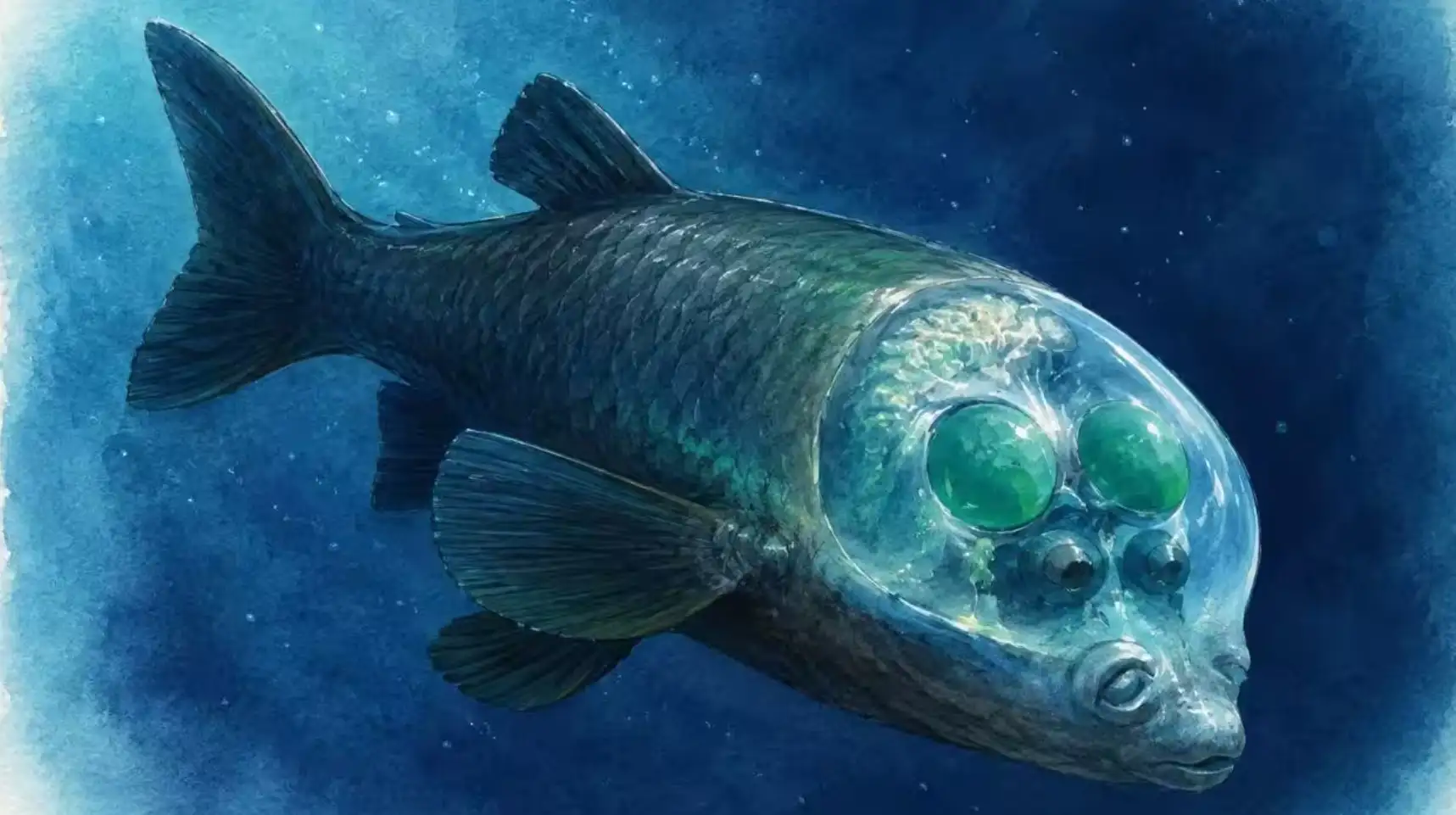
Here's a look at some of the most fascinating deep sea creatures that seem almost unreal.
Why Deep Sea Animals Look So Different
The deep sea is an extreme environment. With little food, no sunlight, and immense pressure, animals have developed extraordinary features to survive. Many produce their own light through bioluminescence, while others have enormous mouths, transparent bodies, or unusual shapes that help them catch prey and avoid predators.
1. Anglerfish
The anglerfish is one of the most famous deep sea creatures. Its glowing lure, which hangs from its head, attracts unsuspecting prey in the darkness. Once a fish swims close enough, the anglerfish snaps it up with its large, sharp teeth.
Despite its terrifying appearance, many anglerfish species are surprisingly small, measuring only a few inches long.
2. Vampire Squid
Despite its dramatic name, the vampire squid doesn't feed on blood. Instead, it survives on tiny organic particles drifting through the water. Its dark red body, glowing blue eyes, and web-like arms give it an eerie appearance.
When threatened, it wraps itself inside its cloak-like web, creating an intimidating display to scare away predators.
3. Goblin Shark
Often called a "living fossil," the goblin shark has existed for millions of years. It has a long, flattened snout and a jaw that can suddenly shoot forward to catch prey.
Its pinkish skin, unusual head shape, and extendable jaws make it one of the strangest sharks ever discovered.
4. Barreleye Fish
The barreleye fish has one of the most unusual heads in the animal kingdom. The top of its head is transparent, allowing scientists to see its internal organs.
Its large, tube-shaped eyes can rotate inside its transparent head, helping it spot prey above while remaining nearly invisible.
5. Giant Isopod
Looking like an oversized pill bug, the giant isopod can grow more than 16 inches (40 cm) long. It lives on the ocean floor, feeding on dead animals that sink from above.
Because food is scarce in the deep sea, giant isopods can survive for years without eating.
6. Dumbo Octopus
Named after Disney's Dumbo elephant, this adorable octopus has ear-like fins that flap as it swims through deep waters.
Unlike many other octopuses, the dumbo octopus lives at extreme depths and feeds on worms, small crustaceans, and tiny marine animals found on the seafloor.
7. Fangtooth Fish
The fangtooth fish has some of the largest teeth relative to its body size of any fish. Fortunately, it is usually only about six inches long.
Its fearsome appearance helps it catch prey in the darkness, where every meal is valuable.
8. Glass Squid
The glass squid has a nearly transparent body, making it difficult for predators to spot in the open ocean.
Many of its internal organs are also transparent, with only its eyes and digestive system clearly visible.
9. Black Swallower
The black swallower has an extraordinary ability—it can swallow prey much larger than itself.
Its highly expandable stomach allows it to consume fish several times its own size, an important adaptation in an environment where meals are unpredictable.
10. Frilled Shark
The frilled shark resembles an ancient sea serpent more than a modern shark. With over 300 needle-like teeth arranged in multiple rows, it is perfectly designed to trap slippery prey.
Scientists believe this primitive species has changed very little over millions of years.
Amazing Adaptations of Deep Sea Life
Deep sea creatures have evolved remarkable survival strategies, including:
Why Scientists Continue Exploring the Deep Ocean
More than 80% of the world's oceans remain largely unexplored. Every year, researchers discover new species that challenge our understanding of marine life.
Studying deep sea creatures helps scientists learn about evolution, climate change, ocean ecosystems, and even develop new medical and technological innovations inspired by nature.
The deep ocean is home to some of the strangest and most beautiful creatures on Earth. From the glowing anglerfish and transparent barreleye fish to the ghostly vampire squid and giant isopod, these incredible animals prove that reality can be even more fascinating than fiction. As technology advances, future deep sea explorations are likely to reveal even more extraordinary species hiding in the darkness.
Here's a look at some of the most fascinating deep sea creatures that seem almost unreal.
Why Deep Sea Animals Look So Different
The deep sea is an extreme environment. With little food, no sunlight, and immense pressure, animals have developed extraordinary features to survive. Many produce their own light through bioluminescence, while others have enormous mouths, transparent bodies, or unusual shapes that help them catch prey and avoid predators.1. Anglerfish
The anglerfish is one of the most famous deep sea creatures. Its glowing lure, which hangs from its head, attracts unsuspecting prey in the darkness. Once a fish swims close enough, the anglerfish snaps it up with its large, sharp teeth. Despite its terrifying appearance, many anglerfish species are surprisingly small, measuring only a few inches long.
2. Vampire Squid
Despite its dramatic name, the vampire squid doesn't feed on blood. Instead, it survives on tiny organic particles drifting through the water. Its dark red body, glowing blue eyes, and web-like arms give it an eerie appearance. When threatened, it wraps itself inside its cloak-like web, creating an intimidating display to scare away predators.
3. Goblin Shark
Often called a "living fossil," the goblin shark has existed for millions of years. It has a long, flattened snout and a jaw that can suddenly shoot forward to catch prey. Its pinkish skin, unusual head shape, and extendable jaws make it one of the strangest sharks ever discovered.
4. Barreleye Fish
The barreleye fish has one of the most unusual heads in the animal kingdom. The top of its head is transparent, allowing scientists to see its internal organs. Its large, tube-shaped eyes can rotate inside its transparent head, helping it spot prey above while remaining nearly invisible.
5. Giant Isopod
Looking like an oversized pill bug, the giant isopod can grow more than 16 inches (40 cm) long. It lives on the ocean floor, feeding on dead animals that sink from above. Because food is scarce in the deep sea, giant isopods can survive for years without eating.
6. Dumbo Octopus
Named after Disney's Dumbo elephant, this adorable octopus has ear-like fins that flap as it swims through deep waters.Unlike many other octopuses, the dumbo octopus lives at extreme depths and feeds on worms, small crustaceans, and tiny marine animals found on the seafloor.
7. Fangtooth Fish
The fangtooth fish has some of the largest teeth relative to its body size of any fish. Fortunately, it is usually only about six inches long. Its fearsome appearance helps it catch prey in the darkness, where every meal is valuable.
8. Glass Squid
The glass squid has a nearly transparent body, making it difficult for predators to spot in the open ocean. Many of its internal organs are also transparent, with only its eyes and digestive system clearly visible.
You may also like
- Sallekhana: The Art of Dying
- What is a PIP? Which employees does it apply to, and could it put your job at risk?
- FitFlop shoppers snap up sandals that are so 'comfortable' they buy a second pair
- Is using your phone while charging a good or bad idea? Find out how it affects the battery.
- EPF vs PPF vs VPF: Which option is best for savings and retirement? Understand the complete math behind all three..
9. Black Swallower
The black swallower has an extraordinary ability—it can swallow prey much larger than itself. Its highly expandable stomach allows it to consume fish several times its own size, an important adaptation in an environment where meals are unpredictable.
10. Frilled Shark
The frilled shark resembles an ancient sea serpent more than a modern shark. With over 300 needle-like teeth arranged in multiple rows, it is perfectly designed to trap slippery prey. Scientists believe this primitive species has changed very little over millions of years.
Amazing Adaptations of Deep Sea Life
Deep sea creatures have evolved remarkable survival strategies, including: - Bioluminescence to attract prey, communicate, or hide.
- Flexible jaws and expandable stomachs for rare feeding opportunities.
- Transparent or dark-colored bodies for camouflage.
- Slow metabolism to conserve energy.
- Highly sensitive eyes and organs that detect movement in complete darkness.
Why Scientists Continue Exploring the Deep Ocean
More than 80% of the world's oceans remain largely unexplored. Every year, researchers discover new species that challenge our understanding of marine life. Studying deep sea creatures helps scientists learn about evolution, climate change, ocean ecosystems, and even develop new medical and technological innovations inspired by nature.
The deep ocean is home to some of the strangest and most beautiful creatures on Earth. From the glowing anglerfish and transparent barreleye fish to the ghostly vampire squid and giant isopod, these incredible animals prove that reality can be even more fascinating than fiction. As technology advances, future deep sea explorations are likely to reveal even more extraordinary species hiding in the darkness.






Loving Newspoint? Download the app now
