
Delicious & Nutritious: How To Pick Healthy Snacks For Kids That They’ll Love

Choosing healthy snacks for kids can feel like a challenge, especially when they gravitate towards sugary, processed options. Parents want their children to eat nutritious foods, but convincing them to choose fruits over crisps or wholegrain snacks over biscuits can be difficult. The key is to find a balance between nutrition and taste—offering snacks that are both healthy and enjoyable. With a little creativity and the right approach, you can provide children with nourishing snacks they’ll love without resorting to unhealthy alternatives. Here’s a guide to making smart snack choices that are packed with goodness without compromising on flavour.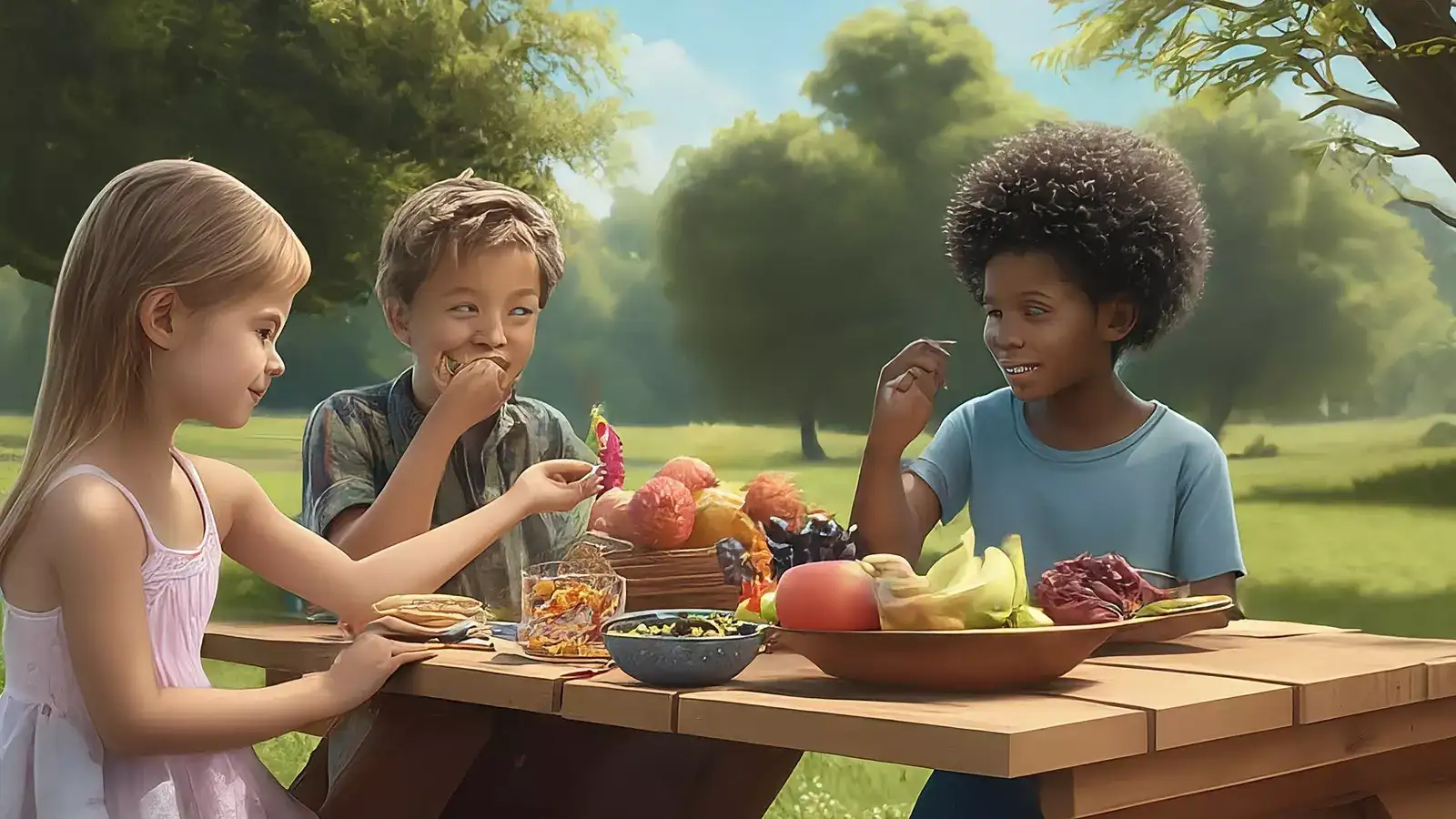
Why Healthy Snacking Matters
Snacks play an important role in a child’s diet, providing essential nutrients between meals and keeping energy levels steady throughout the day. A well-balanced snack can support growth, improve concentration, and prevent overeating at mealtimes. However, many store-bought snacks are loaded with refined sugars, unhealthy fats, and artificial additives that contribute to poor health and weight gain. By choosing wholesome snacks, parents can ensure their children receive the right nutrients while fostering lifelong healthy eating habits.
What Makes a Snack Healthy?
A good snack should be more than just a quick fix for hunger—it should nourish the body and keep children satisfied. Here are some key elements of a healthy snack
Healthy snacking doesn’t have to be boring. There are plenty of delicious options that children will enjoy while getting the nutrients they need. Here are some ideas
Even the healthiest snacks won’t work if children refuse to eat them. Here are some strategies to make nutritious options more appealing
While it’s important to offer nutritious snacks, occasional treats should not be completely off-limits. Completely banning certain foods can make them more desirable, leading to overindulgence later. Instead of strict restrictions, focus on balance—allowing small indulgences while maintaining an overall healthy diet. Teaching children about moderation and mindful eating will help them develop a positive relationship with food.
Smart Snacking for Different Age Groups
Nutritional needs vary depending on a child’s age, so snacks should be chosen accordingly.
Many parents unknowingly fall into common snacking mistakes that can impact a child’s nutrition. Here’s what to avoid
Why Healthy Snacking Matters
Snacks play an important role in a child’s diet, providing essential nutrients between meals and keeping energy levels steady throughout the day. A well-balanced snack can support growth, improve concentration, and prevent overeating at mealtimes. However, many store-bought snacks are loaded with refined sugars, unhealthy fats, and artificial additives that contribute to poor health and weight gain. By choosing wholesome snacks, parents can ensure their children receive the right nutrients while fostering lifelong healthy eating habits.
What Makes a Snack Healthy?
A good snack should be more than just a quick fix for hunger—it should nourish the body and keep children satisfied. Here are some key elements of a healthy snack
- Nutrient-Dense: Choose snacks that provide vitamins, minerals, fibre, and protein instead of empty calories.
- Balanced: Aim for a mix of carbohydrates, healthy fats, and protein to keep energy levels stable.
- Low in Added Sugars: Naturally sweet foods like fruit and yoghurt are great alternatives to processed sugary snacks.
- Free from Artificial Additives: Avoid snacks with preservatives, artificial colours, and flavours.
- Portion-Controlled: Even healthy snacks should be given in appropriate portions to avoid excessive calorie intake.
You may also like
- Quote of the day by Steve Jobs: "Coming back to America was, for me, much more of a cultural shock than going to India"; how one journey changed his life forever
- Sarnath is now India's 45th UNESCO World Heritage Site but what happens when a monument gets UNESCO status?
- Unique Baby Names Inspired by Zodiac Signs
- The Path to Inner Wisdom Begins with True Education
- Quote of the Day by Pythagoras, "Do not go to bed until you have gone over the day three times in your mind. What wrong...."
Healthy snacking doesn’t have to be boring. There are plenty of delicious options that children will enjoy while getting the nutrients they need. Here are some ideas
- Fruit and Nut Butter: Apple or banana slices paired with peanut or almond butter make a naturally sweet and satisfying snack.
- Homemade Granola Bars: Store-bought granola bars can be full of sugar, but homemade versions using oats, honey, and nuts are a healthier alternative.
- Yoghurt with Fresh Fruit and Seeds: Greek yoghurt topped with berries and chia seeds provides protein, probiotics, and essential vitamins.
- Cheese and Wholegrain Crackers: A great source of calcium and fibre, this snack keeps kids full and energised.
- Veggies and Hummus: Carrot sticks, cucumber slices, and cherry tomatoes dipped in hummus are both crunchy and nutritious.
- Homemade Popcorn: Air-popped popcorn with a sprinkle of cinnamon or a drizzle of olive oil is a fun and healthy alternative to crisps.
- Hard-Boiled Eggs: A protein-rich snack that is simple, filling, and easy to prepare in advance.
- Smoothies: Blending fruits, yoghurt, and a handful of spinach makes for a refreshing and nutrient-packed drink.
- Wholegrain Toast with Avocado: A great way to introduce healthy fats into a child’s diet while keeping them full longer.
Even the healthiest snacks won’t work if children refuse to eat them. Here are some strategies to make nutritious options more appealing
- Make It Fun: Use cookie cutters to create interesting shapes with fruits, sandwiches, or cheese slices.
- Get Kids Involved: Let children help prepare snacks so they feel more excited about eating them.
- Create a Snack Station: Keep healthy options within reach so kids can grab something nutritious on their own.
- Pair Familiar with New: If introducing a new snack, pair it with something they already like to encourage them to try it.
- Use Colour and Variety: Brightly coloured fruits and vegetables naturally attract children and make food more exciting.
While it’s important to offer nutritious snacks, occasional treats should not be completely off-limits. Completely banning certain foods can make them more desirable, leading to overindulgence later. Instead of strict restrictions, focus on balance—allowing small indulgences while maintaining an overall healthy diet. Teaching children about moderation and mindful eating will help them develop a positive relationship with food.
Smart Snacking for Different Age Groups
Nutritional needs vary depending on a child’s age, so snacks should be chosen accordingly.
- Toddlers (1–3 years): Simple, soft foods like mashed banana, yoghurt, cheese cubes, and steamed vegetables work best.
- Preschoolers (4–6 years): Small sandwiches, wholegrain muffins, and fruit slices are great choices.
- School-Age Children (7–12 years): More variety can be introduced, including nuts, smoothies, and homemade energy bites.
- Teenagers (13+ years): Protein-packed snacks like boiled eggs, trail mix, and nut butter toast can help meet their increased energy needs.
Many parents unknowingly fall into common snacking mistakes that can impact a child’s nutrition. Here’s what to avoid
- Relying on Processed Snacks: Pre-packaged snacks may seem convenient but often contain unhealthy additives and excessive sugar.
- Snacking Out of Boredom: Teach children to listen to their hunger cues rather than eating just because food is available.
- Skipping Snacks Altogether: When children go too long without food, they may become irritable or overeat at mealtimes.
- Giving Large Portions: Even healthy snacks should be given in moderation to prevent overeating.






Loving Newspoint? Download the app now
