
Dengue During Pregnancy In Monsoon: Is It Dangerous and How to Stay Safe?


Dengue during pregnancy can be dangerous, increasing the chances of preterm birth, low birth weight, bleeding complications, and, in rare cases, transmission of the virus to the baby. The risk depends on when the infection occurs and how severe it becomes. Pregnant women are not more likely to catch dengue than anyone else, but their bodies respond differently once infected, and the consequences can extend to the developing baby. Staying safe mainly comes down to preventing mosquito bites and seeking medical care quickly if fever develops. India recorded over 2.3 lakh dengue cases in 2024, according to government data, with numbers typically rising sharply during and after the monsoon. Understanding the warning signs and knowing how to respond quickly matters for every expecting mother.
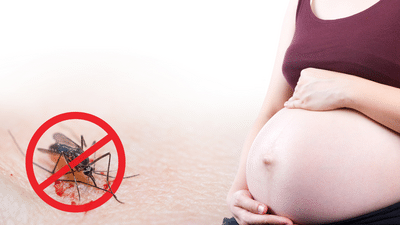
What Happens If You Get Dengue While Pregnant?
Dengue infection during pregnancy is linked to a higher chance of premature labour and, in some cases, haemorrhage during delivery.
A studyof 53 pregnant women with confirmed dengue found premature labour in 41% of cases and bleeding during labour in about 9.3% of cases, including one instance of retroplacental haematoma.
Placental changes caused by the virus can affect blood flow to the baby. Also, dengue can sharply lower platelet count around the time of delivery, raising the risk of bleeding when infection occurs close to term. This is why doctors monitor pregnant women with dengue more closely than other patients.
Can Dengue Affect the Baby During Pregnancy?
Dengue virus can pass from mother to baby, particularly if the mother is infected close to delivery. This is called vertical transmission. Babies exposed this way usually develop symptoms within the first two weeks after birth, most often within the first week, though many stay asymptomatic. When symptoms do appear, they range from a mild fever-like illness to severe dengue with bleeding or shock.
Infections earlier in pregnancy carry a different pattern of risk. Research suggests that when the mother has more time before delivery, some protective antibodies can pass to the baby, which may lower the severity of the newborn's illness. Infections in the third trimester are linked to a higher chance of complications for the newborn compared to earlier trimesters.

What Are the Symptoms of Dengue in Pregnant Women?The early symptoms of dengue in pregnancy look similar to dengue in anyone else: sudden high fever, severe headache, pain behind the eyes, joint and muscle pain, nausea, and a skin rash. Because fatigue and mild body aches are common in pregnancy anyway, a sudden high fever should never be dismissed.
Warning signs that need immediate medical attention include:
How Is Dengue Treated During Pregnancy?There is no antiviral cure for dengue. Treatment focuses on managing symptoms and preventing complications. This includes fluid replacement, rest, and close monitoring of platelet count and blood pressure. Paracetamol is used to manage fever and pain; NSAIDs such as ibuprofen and aspirin are avoided in dengue because they raise bleeding risk.
Hospitalisation is often recommended for pregnant women with confirmed dengue, even in mild cases, because of the added risk during labour and delivery. If severe dengue develops or bleeding risk is high, doctors may recommend a caesarean section instead of a vaginal delivery.
How to Prevent Dengue During Pregnancy?India sees a seasonal spike in dengue cases during and after the monsoon, when stagnant water creates breeding grounds for the Aedes mosquito, the species that spreads dengue.
Since pregnant women often spend more time indoors during the day, and this mosquito bites mainly in daylight hours, exposure risk is higher than many expect.
Practical prevention steps include:
What Are the Risks and Complications of Dengue in Pregnancy?Dengue during pregnancy carries risks for both mother and baby, and severity often depends on how early the infection is caught and treated.
Maternal complications can include:
Dengue during pregnancy needs prompt medical attention, and any pregnant woman with a sudden high fever should get tested and monitored without delay.
support group
FAQs on Dengue During Pregnancy In Monsoon: Is It Dangerous and How to Stay Safe?
What Happens If You Get Dengue While Pregnant?
Dengue infection during pregnancy is linked to a higher chance of premature labour and, in some cases, haemorrhage during delivery.
A studyof 53 pregnant women with confirmed dengue found premature labour in 41% of cases and bleeding during labour in about 9.3% of cases, including one instance of retroplacental haematoma.
Placental changes caused by the virus can affect blood flow to the baby. Also, dengue can sharply lower platelet count around the time of delivery, raising the risk of bleeding when infection occurs close to term. This is why doctors monitor pregnant women with dengue more closely than other patients.
Can Dengue Affect the Baby During Pregnancy?
Dengue virus can pass from mother to baby, particularly if the mother is infected close to delivery. This is called vertical transmission. Babies exposed this way usually develop symptoms within the first two weeks after birth, most often within the first week, though many stay asymptomatic. When symptoms do appear, they range from a mild fever-like illness to severe dengue with bleeding or shock.
Infections earlier in pregnancy carry a different pattern of risk. Research suggests that when the mother has more time before delivery, some protective antibodies can pass to the baby, which may lower the severity of the newborn's illness. Infections in the third trimester are linked to a higher chance of complications for the newborn compared to earlier trimesters.
What Are the Symptoms of Dengue in Pregnant Women?The early symptoms of dengue in pregnancy look similar to dengue in anyone else: sudden high fever, severe headache, pain behind the eyes, joint and muscle pain, nausea, and a skin rash. Because fatigue and mild body aches are common in pregnancy anyway, a sudden high fever should never be dismissed.
Warning signs that need immediate medical attention include:
- Persistent vomiting
- Abdominal pain
- Bleeding from the gums or nose
- Unusual fatigue or restlessness
- Reduced urine output
How Is Dengue Treated During Pregnancy?There is no antiviral cure for dengue. Treatment focuses on managing symptoms and preventing complications. This includes fluid replacement, rest, and close monitoring of platelet count and blood pressure. Paracetamol is used to manage fever and pain; NSAIDs such as ibuprofen and aspirin are avoided in dengue because they raise bleeding risk.
Hospitalisation is often recommended for pregnant women with confirmed dengue, even in mild cases, because of the added risk during labour and delivery. If severe dengue develops or bleeding risk is high, doctors may recommend a caesarean section instead of a vaginal delivery.
How to Prevent Dengue During Pregnancy?India sees a seasonal spike in dengue cases during and after the monsoon, when stagnant water creates breeding grounds for the Aedes mosquito, the species that spreads dengue.
Since pregnant women often spend more time indoors during the day, and this mosquito bites mainly in daylight hours, exposure risk is higher than many expect.
Practical prevention steps include:
- Using mosquito repellent creams or patches approved for use in pregnancy
- Sleeping under mosquito nets, especially during the day
- Removing standing water from coolers, flowerpots, and containers around the house
- Wearing full-sleeved clothing during peak mosquito activity (early morning and evening)
- Installing mesh screens on windows and doors where possible
What Are the Risks and Complications of Dengue in Pregnancy?Dengue during pregnancy carries risks for both mother and baby, and severity often depends on how early the infection is caught and treated.
Maternal complications can include:
- Premature labour and preterm birth
- Haemorrhage during labour or delivery
- Preeclampsia and gestational hypertension
- Anaemia
- Organ dysfunction in severe cases
- Maternal death (rare, and mostly linked to delayed diagnosis or if left untreated)
- Low birth weight
- Stillbirth or miscarriage
- Vertical transmission of the virus to the baby
- Growth restriction
- Respiratory distress and jaundice in newborns
- Thrombocytopenia (low platelet count) in the newborn
Dengue during pregnancy needs prompt medical attention, and any pregnant woman with a sudden high fever should get tested and monitored without delay.
support group
FAQs on Dengue During Pregnancy In Monsoon: Is It Dangerous and How to Stay Safe?
Next Story