
8 Desserts Where Texture Is the Real Star: From Crème Brûlée to Mochi

A great dessert is not always about sweetness or flavour alone. Sometimes, it is the texture that makes a dish truly unforgettable. The satisfying crack of caramel, the stretch of chewy rice dough, the crisp edge of baked meringue or the gentle wobble of a creamy dessert can completely change the eating experience.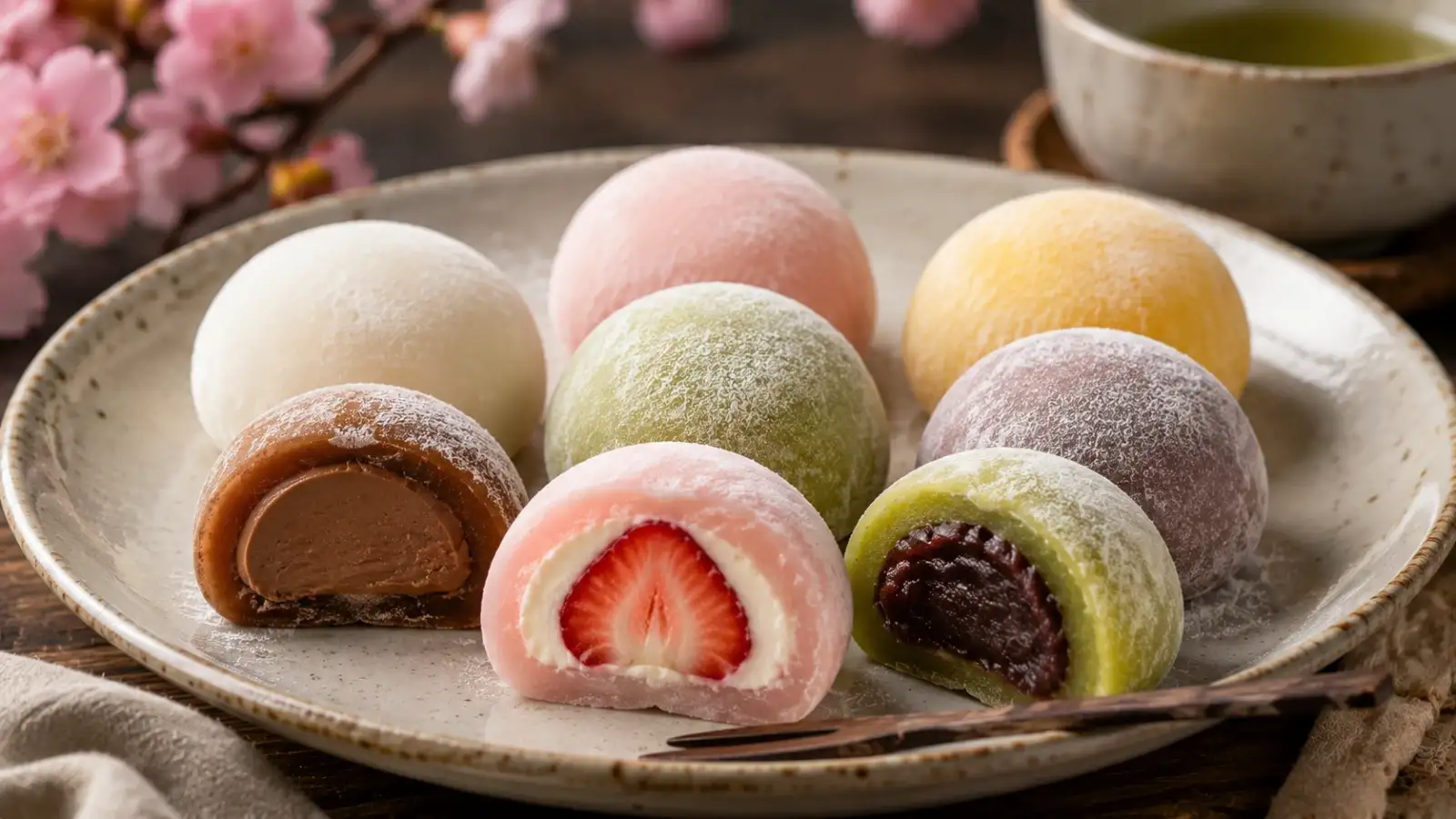
Texture is also closely linked to technique. Ingredients such as sugar, eggs, starch and gelatin respond differently to heat and moisture, helping chefs create everything from crisp shells to soft, silky centres. Here are eight desserts where texture plays a starring role.
Egg proteins give the custard its structure as they heat and set. However, excessive heat can make the proteins tighten too much, resulting in a grainy finish. Careful cooking is therefore essential for achieving the classic texture.
The caramel topping adds another dimension. A thin layer of melted and caramelised sugar provides the perfect crisp finish without overpowering the delicate custard.
Texture profile: Brittle and silky
Key technique: Controlled custard cooking and sugar caramelisation
Also Read: Rakhi 2026: 4 Easy No-Bake Desserts To Try At Home
Despite the name, “glutinous” does not mean that the rice contains gluten. It refers to the particular type of starch that gives mochi its characteristic sticky and stretchy quality.
Fillings such as red bean paste, sesame, fruit or ice cream can introduce another layer of texture, making every bite more interesting.
Texture profile: Chewy, elastic and soft
Key technique: Starch gelatinisation
Sweet syrup adds moisture and sweetness, but getting the balance right is crucial. Too much syrup can soften the pastry excessively, while too little may leave the dessert dry.
When served fresh, kunafa can offer crisp pastry, a soft filling and syrupy richness in a single bite.
Texture profile: Crisp, soft and syrupy
Key technique: Browning and moisture control
Whipped egg whites create the airy structure, while sugar helps stabilise the mixture. Controlled baking gradually removes moisture from the outer layer without drying the centre completely.
Cream and fresh fruit are usually added on top, introducing further softness and juiciness.
Texture profile: Crisp, airy and marshmallow-soft
Key technique: Stable foam and controlled drying
Also Read: Homemade Chocolate Desserts for Beginners: Easy Recipes to Try
The familiar wobble comes from gelatin forming a network that holds liquid in place. The quantity is crucial. Too little can leave the dessert unstable, while too much can make it unpleasantly firm.
The ideal panna cotta should allow a spoon to glide through it with very little resistance.
Texture profile: Silky, soft and gently set
Key technique: Precise gelatin control
High-temperature baking encourages intense browning on the surface while allowing the centre to remain creamy. The baking time determines just how firm or soft that centre becomes.
The dramatic difference between the dark exterior and pale, creamy interior is part of what makes this cheesecake so appealing.
Texture profile: Firm exterior and creamy centre
Key technique: High-temperature baking and precise timing
The contrast is subtle rather than dramatic, but that is precisely what makes the dessert enjoyable. The cocoa dusting adds a light, dry finish against the moist layers underneath.
The key is controlling how much coffee mixture the sponge absorbs. Too little can leave the layers dry, while too much can make them soggy.
Texture profile: Soft, creamy and moist
Key technique: Controlled soaking and layering
The combination of cream cheese, eggs and carefully incorporated air produces a cake that feels delicate and springy when cut. Gentle baking helps maintain its soft texture without making it overly dense.
Its appeal lies in the contrast between a lightly browned exterior and an exceptionally tender interior.
Texture profile: Airy, soft and springy
Key technique: Whipped egg whites and gentle baking
Ultimately, texture can be just as important as flavour when it comes to creating a memorable dessert. Whether it is the dramatic crack of caramel, the satisfying chew of mochi or the delicate wobble of panna cotta, these desserts show how technique can turn simple ingredients into an extraordinary eating experience.
Texture is also closely linked to technique. Ingredients such as sugar, eggs, starch and gelatin respond differently to heat and moisture, helping chefs create everything from crisp shells to soft, silky centres. Here are eight desserts where texture plays a starring role.
1. Crème Brûlée: That Satisfying Caramel Crack
Crème brûlée is all about contrast. Its signature caramelised sugar topping should be thin and brittle enough to crack neatly under a spoon, while the custard beneath should remain smooth, rich and silky.Egg proteins give the custard its structure as they heat and set. However, excessive heat can make the proteins tighten too much, resulting in a grainy finish. Careful cooking is therefore essential for achieving the classic texture.
The caramel topping adds another dimension. A thin layer of melted and caramelised sugar provides the perfect crisp finish without overpowering the delicate custard.
Texture profile: Brittle and silky
Key technique: Controlled custard cooking and sugar caramelisation
Also Read: Rakhi 2026: 4 Easy No-Bake Desserts To Try At Home
2. Mochi: All About the Chew
Mochi stands apart from many traditional desserts because its appeal comes largely from its distinctive chew. Made using glutinous rice, it develops a soft, elastic consistency when the rice starch is heated with water.Despite the name, “glutinous” does not mean that the rice contains gluten. It refers to the particular type of starch that gives mochi its characteristic sticky and stretchy quality.
Fillings such as red bean paste, sesame, fruit or ice cream can introduce another layer of texture, making every bite more interesting.
Texture profile: Chewy, elastic and soft
Key technique: Starch gelatinisation
3. Kunafa : Crisp Meets Creamy
Kunafa, also known as knafeh or kanafeh, is another dessert built around textural contrast. Fine pastry strands are baked with butter until golden and crisp, while the centre can feature cheese or a creamy filling depending on the recipe.Sweet syrup adds moisture and sweetness, but getting the balance right is crucial. Too much syrup can soften the pastry excessively, while too little may leave the dessert dry.
When served fresh, kunafa can offer crisp pastry, a soft filling and syrupy richness in a single bite.
Texture profile: Crisp, soft and syrupy
Key technique: Browning and moisture control
4. Pavlova : Crisp Outside, Soft Inside
Pavlova is essentially a carefully prepared meringue with a wonderfully contrasting texture. The exterior should be crisp and delicate, while the centre remains soft and marshmallow-like.Whipped egg whites create the airy structure, while sugar helps stabilise the mixture. Controlled baking gradually removes moisture from the outer layer without drying the centre completely.
Cream and fresh fruit are usually added on top, introducing further softness and juiciness.
Texture profile: Crisp, airy and marshmallow-soft
Key technique: Stable foam and controlled drying
Also Read: Homemade Chocolate Desserts for Beginners: Easy Recipes to Try
5. Panna Cotta: The Perfect Wobble
Few desserts make texture as obvious as panna cotta. Made primarily with sweetened dairy and gelatin, it should be set enough to hold its shape while remaining soft and delicate.The familiar wobble comes from gelatin forming a network that holds liquid in place. The quantity is crucial. Too little can leave the dessert unstable, while too much can make it unpleasantly firm.
The ideal panna cotta should allow a spoon to glide through it with very little resistance.
Texture profile: Silky, soft and gently set
Key technique: Precise gelatin control
6. Basque Cheesecake : Dark Outside, Creamy Inside
Basque cheesecake is instantly recognisable for its deeply browned top and remarkably soft centre. The famous style originated at La Viña in San Sebastián and has since become popular around the world.High-temperature baking encourages intense browning on the surface while allowing the centre to remain creamy. The baking time determines just how firm or soft that centre becomes.
The dramatic difference between the dark exterior and pale, creamy interior is part of what makes this cheesecake so appealing.
Texture profile: Firm exterior and creamy centre
Key technique: High-temperature baking and precise timing
7. Tiramisu: Soft Layers With a Creamy Finish
Tiramisu is another dessert where multiple textures work together. Coffee-soaked ladyfingers provide a soft, moist base, while the mascarpone mixture adds a rich and creamy layer.You may also like
- A balcony garden for renters – no drills, no holes
- How to make your tiny balcony feel like an evening garden
- He has a PhD, MPhil, multiple degrees and years of academic experience, yet drives a cab after college hours; Why Dr E Thirumalai Raja's viral resume is raising questions about India's academic system
- Abu Dhabi-born Malayali Kaziah Liz Mejo crowned Miss Universe India 2026
- What is Bio-Solar Technology? Find out how it boosts solar panel efficiency.
The contrast is subtle rather than dramatic, but that is precisely what makes the dessert enjoyable. The cocoa dusting adds a light, dry finish against the moist layers underneath.
The key is controlling how much coffee mixture the sponge absorbs. Too little can leave the layers dry, while too much can make them soggy.
Texture profile: Soft, creamy and moist
Key technique: Controlled soaking and layering
8. Japanese Cheesecake: Lightness in Every Bite
Japanese cheesecake is known for its airy, cloud-like texture. Unlike dense traditional cheesecakes, this version uses whipped egg whites to create a lighter structure.The combination of cream cheese, eggs and carefully incorporated air produces a cake that feels delicate and springy when cut. Gentle baking helps maintain its soft texture without making it overly dense.
Its appeal lies in the contrast between a lightly browned exterior and an exceptionally tender interior.
Texture profile: Airy, soft and springy
Key technique: Whipped egg whites and gentle baking
Ultimately, texture can be just as important as flavour when it comes to creating a memorable dessert. Whether it is the dramatic crack of caramel, the satisfying chew of mochi or the delicate wobble of panna cotta, these desserts show how technique can turn simple ingredients into an extraordinary eating experience.






Loving Newspoint? Download the app now
