
Did Draupadi Really Invent Pani Puri? The Fascinating Story Behind India's Favourite Street Food

Pani puri, known as golgappa, puchka, or gupchup in different parts of India is among the country's most beloved street foods. Crispy puris filled with spicy, tangy water and flavourful stuffing have won hearts for generations. But did you know that many people believe this iconic snack was invented by Draupadi, the queen from the Mahabharata?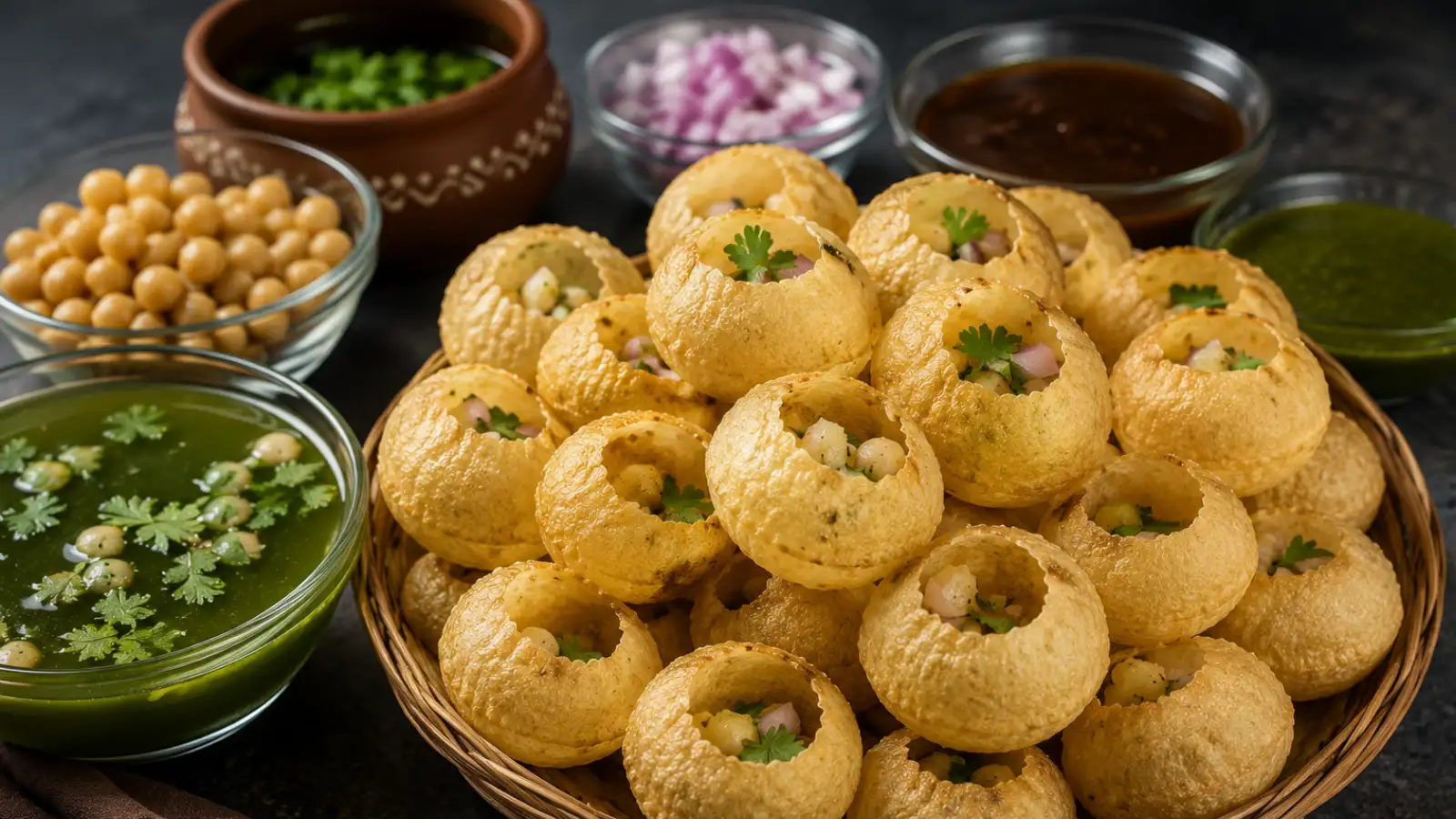
The story has resurfaced on social media in recent years, leaving many wondering whether there is any truth behind the claim. While the legend is fascinating, historians and food experts say there is little evidence to support it.
The story claims that Kunti handed Draupadi a small amount of leftover boiled potatoes, a little dough, and a few spices. She challenged her daughter-in-law to prepare a meal that would satisfy all five Pandava brothers without wasting any food.
Draupadi is said to have created small hollow puris filled with mashed potatoes and flavoured water, giving birth to what is now known as pani puri.
The tale is often shared as an example of Draupadi's intelligence and resourcefulness, but it appears only in folklore and popular storytelling not in the original Sanskrit text of the Mahabharata.
Scholars who have extensively studied ancient Indian cuisine note that the epic does not mention a dish resembling modern pani puri. While the Mahabharata contains references to grains, rice, dairy products, fruits, vegetables, and elaborate royal feasts, the famous street snack is absent from the text.
As a result, historians generally consider the Draupadi story to be a cultural myth rather than documented history.
Early versions of the snack are thought to have evolved from phulki or fulki i.e small fried dough balls that gradually became filled with spiced ingredients and tangy water. Over centuries, regional variations emerged across India.
Today, the snack is known by different names such as Golgappa in Delhi, Punjab, Haryana, and much of North India, Puchka in West Bengal, Assam, and Bangladesh, Pani Puri in Maharashtra, Gujarat, Madhya Pradesh, and Karnataka,Gupchup in Odisha, Chhattisgarh, and parts of central India
Each region has its own unique combination of fillings, spices, and flavoured water.
Stories connecting famous dishes to historical or mythological figures often become part of oral tradition, even when documentary evidence is lacking. Similar legends exist for several Indian recipes, helping preserve cultural identity and making food history more engaging for younger generations.
Social media has further amplified such stories, with many users sharing them without distinguishing between folklore and historical fact.
Whether filled with spicy potatoes, chickpeas, sprouts, or sweet tamarind chutney, pani puri remains a favourite across generations and regions.
The claim that Draupadi invented pani puri is a captivating legend deeply rooted in Indian folklore. However, there is no historical evidence in the Mahabharata or other reliable records to confirm the story. Most historians believe the snack evolved centuries later in eastern India before spreading across the country. While the myth adds a layer of cultural charm to India's favourite street food, its true origins remain part of a long and fascinating culinary journey rather than an episode from the Mahabharata.
The story has resurfaced on social media in recent years, leaving many wondering whether there is any truth behind the claim. While the legend is fascinating, historians and food experts say there is little evidence to support it.
The Popular Mahabharata Legend
According to a widely circulated legend, the Pandavas were living in exile after losing everything in a game of dice. During this difficult period, Kunti, the mother of the Pandavas, wanted to test Draupadi's culinary skills.The story claims that Kunti handed Draupadi a small amount of leftover boiled potatoes, a little dough, and a few spices. She challenged her daughter-in-law to prepare a meal that would satisfy all five Pandava brothers without wasting any food.
Draupadi is said to have created small hollow puris filled with mashed potatoes and flavoured water, giving birth to what is now known as pani puri.
The tale is often shared as an example of Draupadi's intelligence and resourcefulness, but it appears only in folklore and popular storytelling not in the original Sanskrit text of the Mahabharata.
What Do Historians Say?
Food historians point out that there is no historical or archaeological evidence linking pani puri to Draupadi or the Mahabharata.Scholars who have extensively studied ancient Indian cuisine note that the epic does not mention a dish resembling modern pani puri. While the Mahabharata contains references to grains, rice, dairy products, fruits, vegetables, and elaborate royal feasts, the famous street snack is absent from the text.
As a result, historians generally consider the Draupadi story to be a cultural myth rather than documented history.
You may also like
- Lunar Eclipse 2026: The lunar eclipse will occur in Aug could be challenging for these Zodiac signs. Know in detail
- In 1876, a thorny tree was introduced to India to fight drought, more than a century later, Prosopis Juliflora still divides conservationists
- Chemical Pregnancy vs Delayed Period: How to Tell the Difference
- Home Loan Tips: Repay the loan early or invest the money? Find out which option is more beneficial..
- The Indian Rupee will now be accepted in this country; approval granted to carry ₹200 and ₹500 notes..
The More Likely Origin of Pani Puri
Most food historians believe that pani puri originated in the eastern part of the Indian subcontinent, particularly in the region corresponding to present-day Bihar or eastern Uttar Pradesh.Early versions of the snack are thought to have evolved from phulki or fulki i.e small fried dough balls that gradually became filled with spiced ingredients and tangy water. Over centuries, regional variations emerged across India.
Today, the snack is known by different names such as Golgappa in Delhi, Punjab, Haryana, and much of North India, Puchka in West Bengal, Assam, and Bangladesh, Pani Puri in Maharashtra, Gujarat, Madhya Pradesh, and Karnataka,Gupchup in Odisha, Chhattisgarh, and parts of central India
Each region has its own unique combination of fillings, spices, and flavoured water.
Why the Draupadi Story Became So Popular
Experts believe the legend gained popularity because it beautifully combines India's rich mythology with its vibrant food culture.Stories connecting famous dishes to historical or mythological figures often become part of oral tradition, even when documentary evidence is lacking. Similar legends exist for several Indian recipes, helping preserve cultural identity and making food history more engaging for younger generations.
Social media has further amplified such stories, with many users sharing them without distinguishing between folklore and historical fact.
A Timeless Street Food Favourite
Regardless of its exact origins, pani puri remains one of India's most iconic culinary creations. From bustling street markets to upscale restaurants, the snack continues to evolve with innovative flavours while retaining its traditional charm.Whether filled with spicy potatoes, chickpeas, sprouts, or sweet tamarind chutney, pani puri remains a favourite across generations and regions.
The claim that Draupadi invented pani puri is a captivating legend deeply rooted in Indian folklore. However, there is no historical evidence in the Mahabharata or other reliable records to confirm the story. Most historians believe the snack evolved centuries later in eastern India before spreading across the country. While the myth adds a layer of cultural charm to India's favourite street food, its true origins remain part of a long and fascinating culinary journey rather than an episode from the Mahabharata.






Loving Newspoint? Download the app now
