
Did Napoleon's love for perfume actually kill him?


A 200-year-old mystery may finally have a surprisingly fragrant answer.
Most of us know Napoleon Bonaparte as the man who nearly conquered Europe: military genius, volcanic temper, endless ambition. But history books often leave out one of his strangest habits - an almost unbelievable obsession with perfume.
Not in a “spritz before dinner” sort of way. Napoleon reportedly used enormous quantities of Eau de Cologne every single day. Historian Annick Le Guérer estimated that he consumed nearly 120 litres a month, while French archival records show orders for dozens of bottles at a time. He had a standing arrangement with his perfumer, Gervais Chardin, to regularly supply him with cologne wherever he travelled.
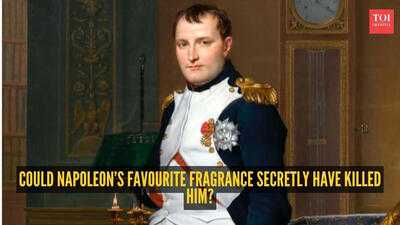
And he did not use it sparingly. Napoleon rubbed cologne across his body with a brush, poured it over his head after baths, carried fragrance bottles into battle, and even drank small quantities of it believing it had medicinal benefits. He reportedly kept a slim flask tucked inside his riding boot so he would never be without it during military campaigns.
The fragrance he loved most was a citrus-heavy blend infused with rosemary, lavender and thyme - scents believed to remind him of his childhood in Corsica. Before major battles, aides claimed he would frequently reach for cologne the way others might reach for coffee.
The emperor who couldn’t live without cologne
By the time Napoleon was exiled to the remote island of Saint Helena after Battle of Waterloo in 1815, his dependence on fragrance had become impossible to ignore. According to his secretary Emmanuel de Las Cases, one of the emperor’s greatest frustrations during exile was running out of Eau de Cologne - something he described as a genuine “privation.”
Eventually, Napoleon instructed his servant, the Mameluke Ali, to create a homemade substitute using ingredients available on the island. Historians believe this improvised recipe remains the only fragrance personally formulated under Napoleon’s direction.
More than two centuries later, that unusual obsession has become the centre of a controversial scientific theory.
The modern theory behind Napoleon’s death
In 2021, during the 200th anniversary of Napoleon’s death, Professor Parvez Haris of De Montfort University in Leicester proposed that the emperor’s extreme exposure to essential oils may have contributed to his declining health and eventual death from stomach cancer .
His argument focused on the ingredients commonly found in early Eau de Cologne - concentrated citrus and herbal oils which, in excessive amounts, have been studied for their potential endocrine-disrupting effects. Some research has linked prolonged exposure to certain essential oils with hormonal abnormalities and gastrointestinal complications, although evidence in humans remains limited and debated.
What makes the theory around Napoleon Bonaparte intriguing is how closely some of his later-life symptoms seem to match up. Historical records describe dramatic physical changes: enlarged breast tissue, significant body hair loss, chronic stomach trouble, constant sensitivity to cold, and what may have been seizures.
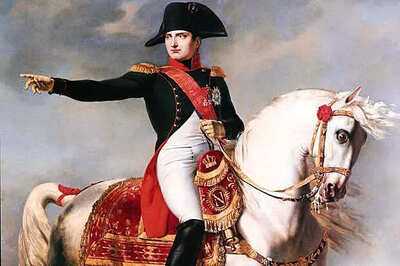
Professor Parvez Haris believes the pattern is difficult to ignore. His argument is that decades of excessive exposure to concentrated cologne and essential oils may have gradually disrupted Napoleon’s hormonal system over time.
The arsenic mystery - And why historians remain divided
But many historians and medical researchers remain cautious about drawing firm conclusions.
Napoleon’s father had also died from stomach cancer, leading some experts to suspect a hereditary predisposition. Other theories surrounding Napoleon’s death have ranged from arsenic poisoning to poor sanitation and chronic gastrointestinal disease. Hair samples taken from different stages of his life did reveal elevated arsenic levels, although later studies suggested arsenic exposure was relatively common in 19th-century Europe due to medicines, dyes and household materials.
That has made it difficult to definitively prove any single explanation. Still, the perfume theory continues to fascinate historians because of its strange irony.
The cruel irony of Napoleon’s favourite scent
The same cologne Napoleon adored may also have protected him during exhausting military campaigns across Egypt, Syria and Russia. In an era before antibiotics and modern sanitation, the high alcohol content in Eau de Cologne likely acted as a mild antiseptic, helping reduce bacterial exposure in harsh battlefield conditions.
In other words, the habit that may have gradually harmed his body could also have helped keep him alive for years. Today, as essential oils and “natural wellness” products become fashionable once again, Napoleon’s story feels unexpectedly modern. It is also a reminder that history’s most dangerous obsessions are not always weapons or wars. Sometimes, they come in a glass bottle that smells faintly of citrus and rosemary.
Most of us know Napoleon Bonaparte as the man who nearly conquered Europe: military genius, volcanic temper, endless ambition. But history books often leave out one of his strangest habits - an almost unbelievable obsession with perfume.
Not in a “spritz before dinner” sort of way. Napoleon reportedly used enormous quantities of Eau de Cologne every single day. Historian Annick Le Guérer estimated that he consumed nearly 120 litres a month, while French archival records show orders for dozens of bottles at a time. He had a standing arrangement with his perfumer, Gervais Chardin, to regularly supply him with cologne wherever he travelled.
And he did not use it sparingly. Napoleon rubbed cologne across his body with a brush, poured it over his head after baths, carried fragrance bottles into battle, and even drank small quantities of it believing it had medicinal benefits. He reportedly kept a slim flask tucked inside his riding boot so he would never be without it during military campaigns.
The fragrance he loved most was a citrus-heavy blend infused with rosemary, lavender and thyme - scents believed to remind him of his childhood in Corsica. Before major battles, aides claimed he would frequently reach for cologne the way others might reach for coffee.
The emperor who couldn’t live without cologne
By the time Napoleon was exiled to the remote island of Saint Helena after Battle of Waterloo in 1815, his dependence on fragrance had become impossible to ignore. According to his secretary Emmanuel de Las Cases, one of the emperor’s greatest frustrations during exile was running out of Eau de Cologne - something he described as a genuine “privation.”
Eventually, Napoleon instructed his servant, the Mameluke Ali, to create a homemade substitute using ingredients available on the island. Historians believe this improvised recipe remains the only fragrance personally formulated under Napoleon’s direction.
More than two centuries later, that unusual obsession has become the centre of a controversial scientific theory.
The modern theory behind Napoleon’s death
In 2021, during the 200th anniversary of Napoleon’s death, Professor Parvez Haris of De Montfort University in Leicester proposed that the emperor’s extreme exposure to essential oils may have contributed to his declining health and eventual death from stomach cancer .
His argument focused on the ingredients commonly found in early Eau de Cologne - concentrated citrus and herbal oils which, in excessive amounts, have been studied for their potential endocrine-disrupting effects. Some research has linked prolonged exposure to certain essential oils with hormonal abnormalities and gastrointestinal complications, although evidence in humans remains limited and debated.
What makes the theory around Napoleon Bonaparte intriguing is how closely some of his later-life symptoms seem to match up. Historical records describe dramatic physical changes: enlarged breast tissue, significant body hair loss, chronic stomach trouble, constant sensitivity to cold, and what may have been seizures.
Professor Parvez Haris believes the pattern is difficult to ignore. His argument is that decades of excessive exposure to concentrated cologne and essential oils may have gradually disrupted Napoleon’s hormonal system over time.
The arsenic mystery - And why historians remain divided
But many historians and medical researchers remain cautious about drawing firm conclusions.
Napoleon’s father had also died from stomach cancer, leading some experts to suspect a hereditary predisposition. Other theories surrounding Napoleon’s death have ranged from arsenic poisoning to poor sanitation and chronic gastrointestinal disease. Hair samples taken from different stages of his life did reveal elevated arsenic levels, although later studies suggested arsenic exposure was relatively common in 19th-century Europe due to medicines, dyes and household materials.
That has made it difficult to definitively prove any single explanation. Still, the perfume theory continues to fascinate historians because of its strange irony.
The cruel irony of Napoleon’s favourite scent
The same cologne Napoleon adored may also have protected him during exhausting military campaigns across Egypt, Syria and Russia. In an era before antibiotics and modern sanitation, the high alcohol content in Eau de Cologne likely acted as a mild antiseptic, helping reduce bacterial exposure in harsh battlefield conditions.
In other words, the habit that may have gradually harmed his body could also have helped keep him alive for years. Today, as essential oils and “natural wellness” products become fashionable once again, Napoleon’s story feels unexpectedly modern. It is also a reminder that history’s most dangerous obsessions are not always weapons or wars. Sometimes, they come in a glass bottle that smells faintly of citrus and rosemary.
Next Story