
Did You Know Birds 'Divorce' Too? Fascinating Facts About Avian Breakups And Why They Happen

When people think of birds, they often imagine lifelong partners faithfully returning to the same mate every breeding season. While this is true for several species, the natural world is far more complex. Scientists have found that many birds can end an existing pair bond and choose a new partner if doing so increases their chances of successful reproduction. This behaviour is commonly referred to as " bird divorce ". Although the term sounds similar to human relationships, it is simply a scientific way of describing the dissolution of a breeding pair. The decision is driven by survival and reproductive success rather than emotions, making it one of the most fascinating examples of animal behaviour.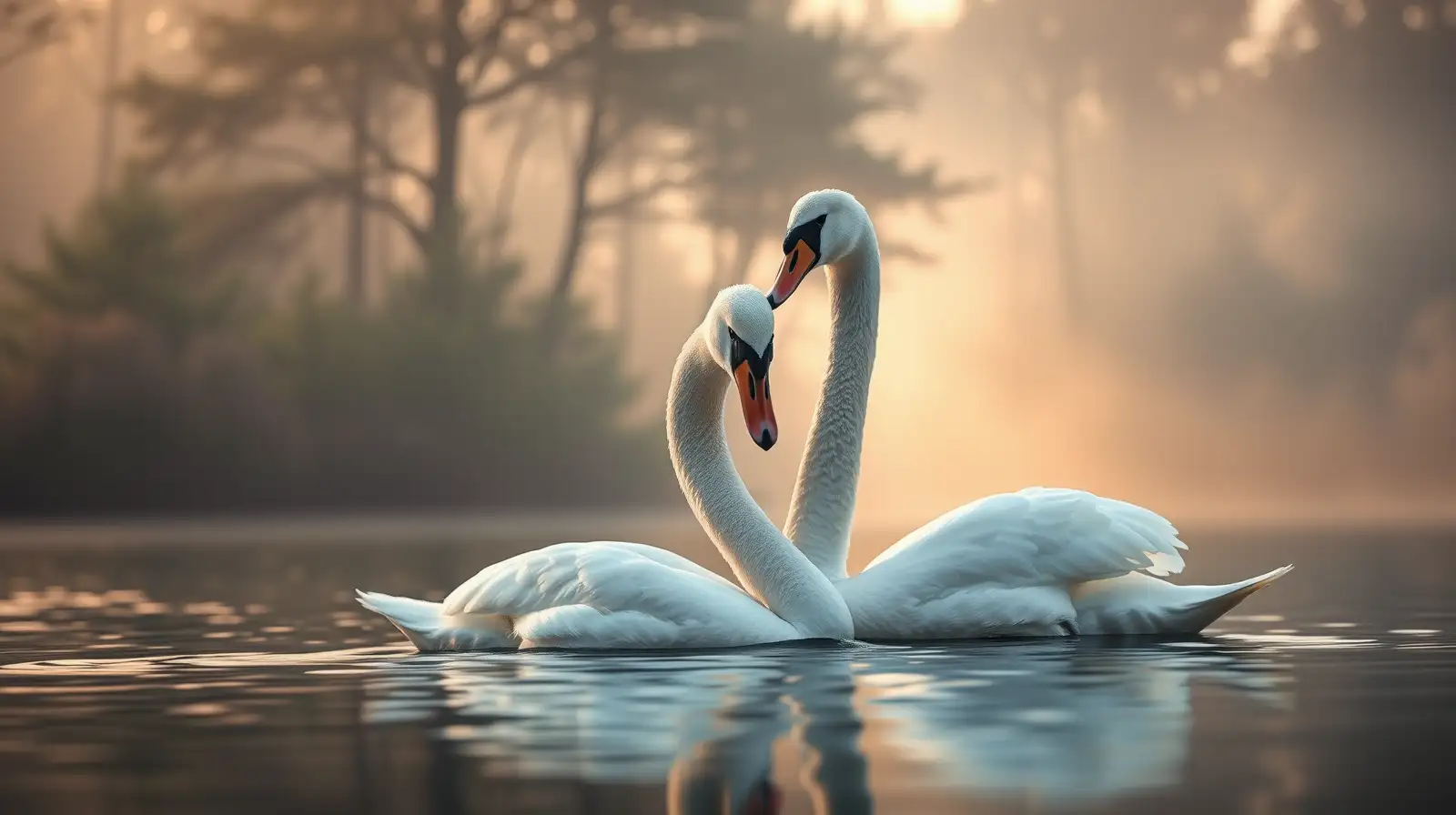
Researchers have documented this behaviour in numerous bird species, particularly those that form seasonal or long-term pair bonds.
Environmental changes, competition for nesting sites, food availability and the arrival of stronger or healthier mates can also influence the decision to separate.
Other species regularly form new partnerships from one breeding season to the next, especially when it improves their chances of producing offspring.
In some cases, however, remaining with the same partner may be more beneficial because experienced pairs often work together more efficiently.
Scientists continue to study avian behaviour to understand how environmental conditions, mate quality and breeding history influence these decisions across different species.
What Is Bird 'Divorce'?
In ornithology, bird divorce refers to the permanent separation of a bonded breeding pair when both individuals are still alive. Instead of reuniting in the following breeding season, one or both birds find new mates.Researchers have documented this behaviour in numerous bird species, particularly those that form seasonal or long-term pair bonds.
Why Do Birds Change Partners?
The most common reason is breeding success. If a pair repeatedly fails to produce healthy offspring, switching partners may improve reproductive outcomes in future seasons.Environmental changes, competition for nesting sites, food availability and the arrival of stronger or healthier mates can also influence the decision to separate.
You may also like
- How to cover two prominent Jyotirlingas in just one trip
- Gold Loan: People rush to borrow against household gold; 70% surge in gold loans—what is the reason?
- Dubai's newest dining concept seats complete strangers at one table
- Job Loss: Don't panic if you lose your job; the government will provide financial support for up to 90 days—find out who is eligible.
- What Your Eating Speed Secretly Reveals About You
Not All Birds Stay Together Forever
Some birds, such as swans, albatrosses and many geese, are famous for maintaining long-lasting pair bonds. However, even among these species, separation can occur if breeding repeatedly fails.Other species regularly form new partnerships from one breeding season to the next, especially when it improves their chances of producing offspring.
Does Bird 'Divorce' Benefit Survival?
Studies suggest that changing partners can sometimes increase breeding success. A more compatible mate may offer better parental care, defend nesting territories more effectively or produce healthier chicks.In some cases, however, remaining with the same partner may be more beneficial because experienced pairs often work together more efficiently.
A Natural Strategy, Not An Emotional Decision
Unlike human relationships, bird divorce is not based on emotional conflict. It is an evolutionary strategy shaped by natural selection, with the primary goal of maximising reproductive success.Scientists continue to study avian behaviour to understand how environmental conditions, mate quality and breeding history influence these decisions across different species.
Nature's Relationships Are More Complex Than They Seem
Bird relationships demonstrate that nature is both adaptable and practical. While many species form remarkable long-term partnerships, others change mates when circumstances demand it. Bird divorce is simply one of many fascinating survival strategies that help ensure future generations thrive. Understanding these behaviours offers valuable insight into the complexity of wildlife and reminds us that even the most familiar animals can still surprise us with their remarkable adaptations.





Loving Newspoint? Download the app now
