
5 Places Around the World Where the Sun Never Sets at Night

Above a certain latitude, summer brings something the human eye struggles to accept: a sun that dips toward the horizon, hesitates, and then climbs again without ever letting darkness in. This is the midnight sun, a consequence of Earth's axial tilt, and it turns ordinary evenings into something that feels borrowed from another planet.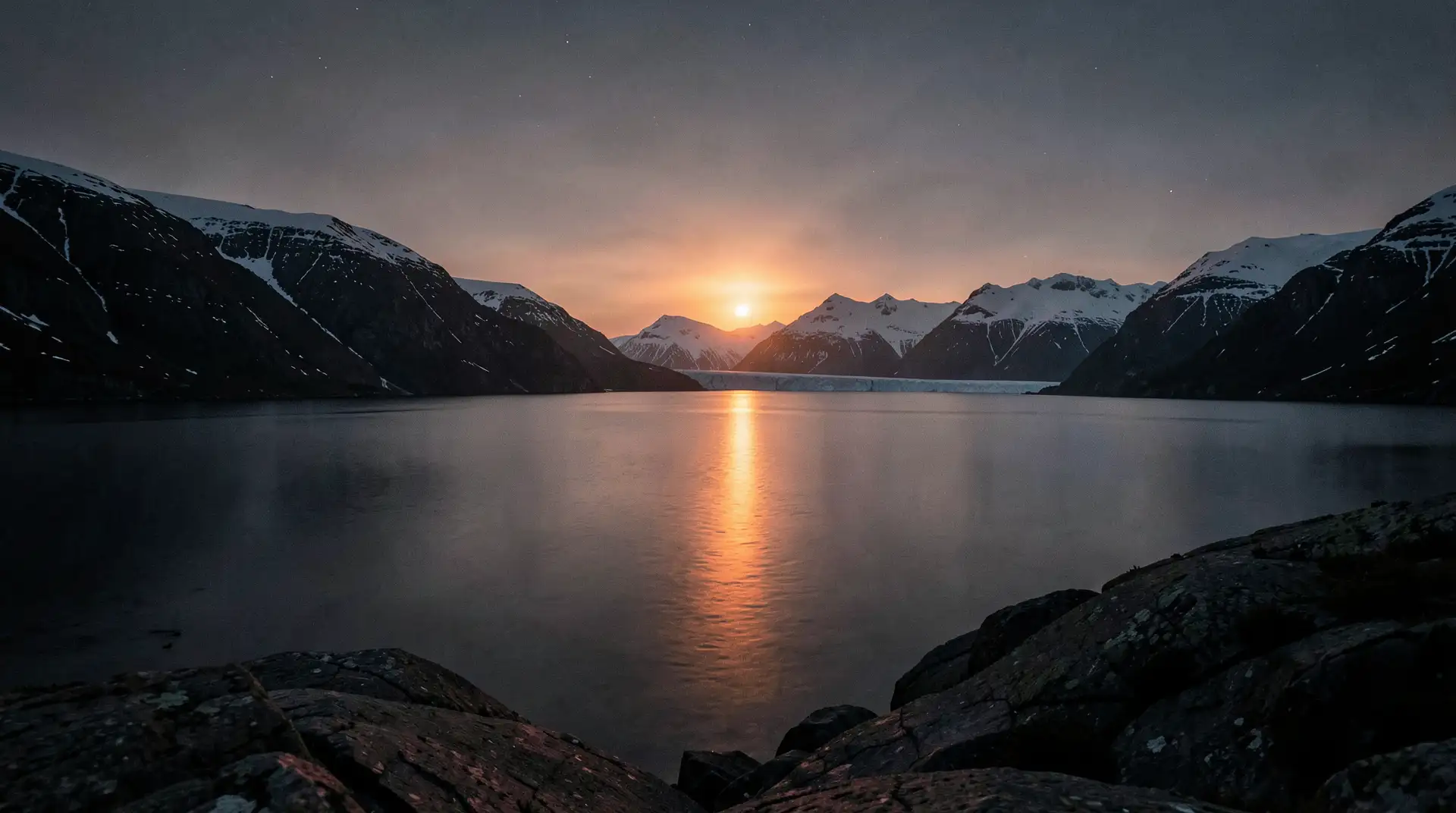
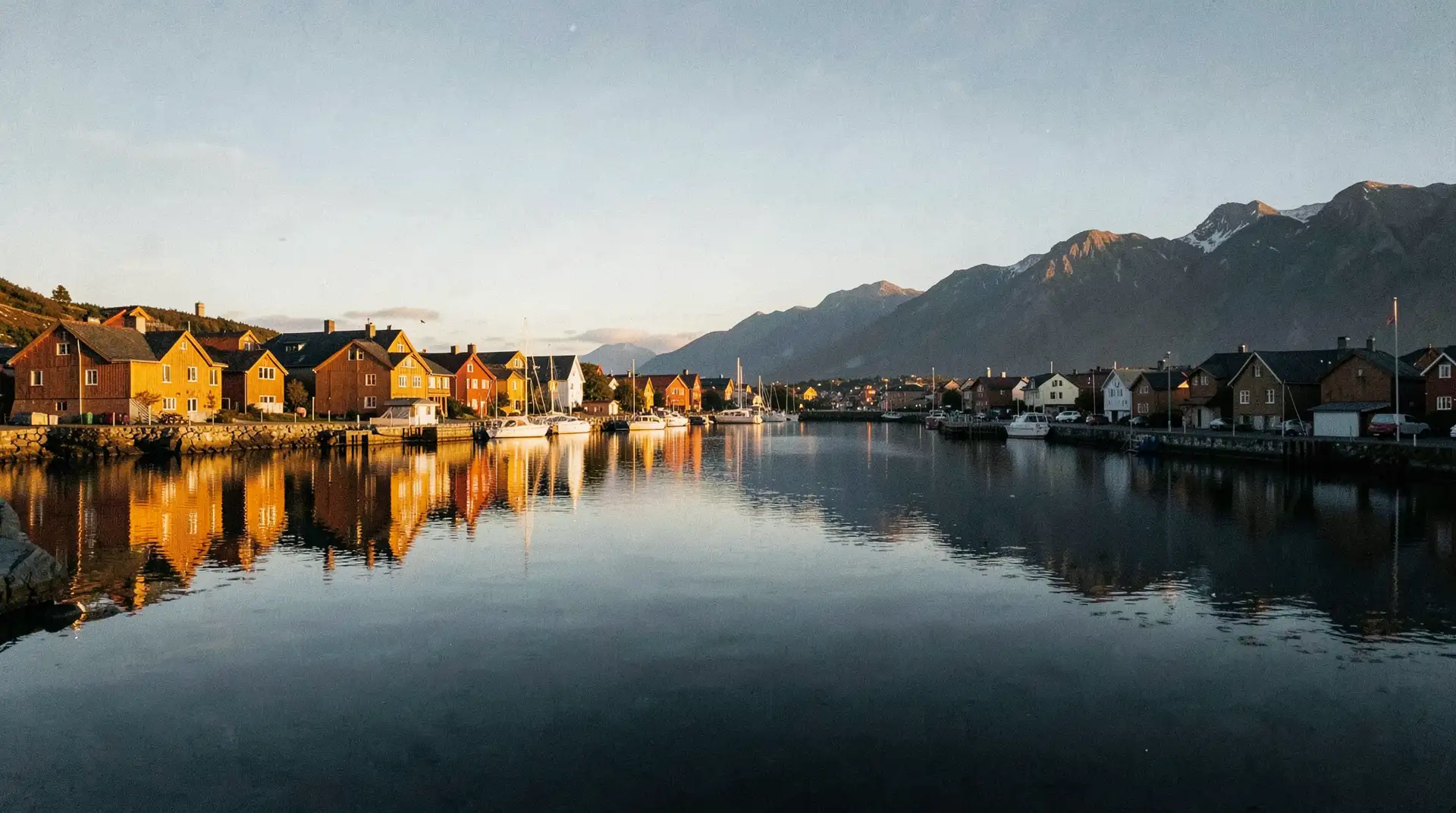
Tromsø sits roughly 350 kilometres north of the Arctic Circle, and for about two months each summer the sun does not set at all. The harbour reflects a sky that shifts between gold and pale blue without ever going dark. The city has a long history of polar expeditions, and that restless, edge-of-the-world energy still runs through it. Hike the ridge above the cable car station and watch the sun arc low over the fjords at what a clock insists is midnight.
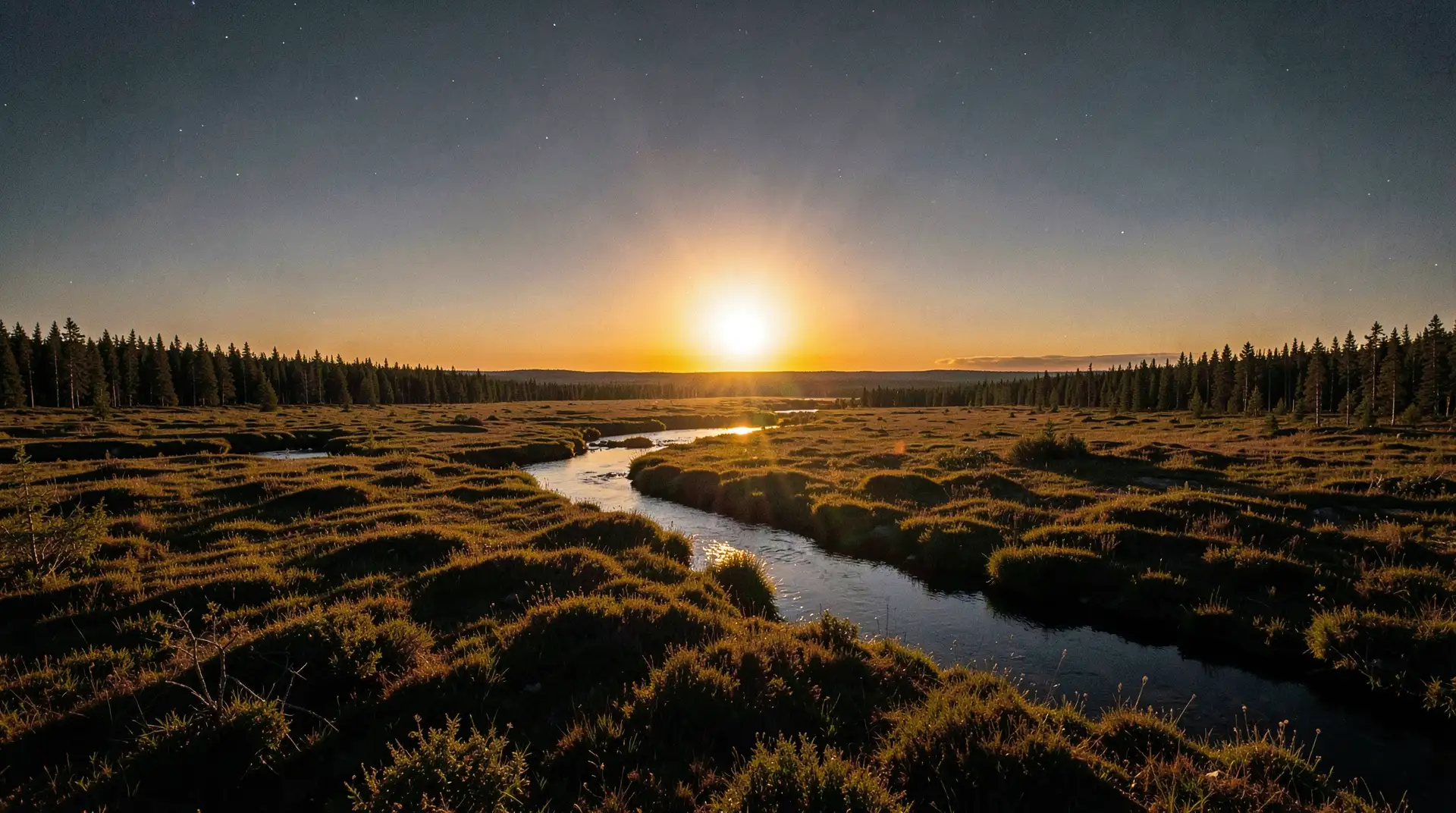
Iceland sits just below the Arctic Circle, which means the sun does set during peak summer, but only barely, and only for an hour or two. The sky never reaches true darkness; it passes through a long, soft twilight that Icelanders call the white nights. The capital stays awake through it. Cafes stay open, people walk along the old harbour, and the light on the Esja mountain across the bay turns a deep, saturated orange that photographers chase for weeks.
The Chena River runs through the city, and in the long evenings locals fish its banks in light that feels perpetually like six in the afternoon. The surrounding taiga, the vast boreal forest, absorbs this light differently than coastal landscapes do, turning the tree line into a dense, glowing wall.
Watching the sun skim that horizon at midnight, never quite touching it, is a different experience from the high-latitude spectacle further north, quieter, stranger, almost accidental.
What these five places share is not just geography but a particular quality of light that rewires how a day feels. Without darkness to mark the end of one day and the beginning of the next, time becomes elastic. Meals happen when hunger arrives, not when the clock says so. Sleep follows exhaustion rather than sunset.
Travellers consistently describe the experience as disorienting in the best possible way, as if the ordinary rules of a day had been quietly suspended.
Tromsø, Norway
Tromsø sits roughly 350 kilometres north of the Arctic Circle, and for about two months each summer the sun does not set at all. The harbour reflects a sky that shifts between gold and pale blue without ever going dark. The city has a long history of polar expeditions, and that restless, edge-of-the-world energy still runs through it. Hike the ridge above the cable car station and watch the sun arc low over the fjords at what a clock insists is midnight.
Svalbard, Norway
Svalbard is as far north as permanently inhabited land gets. The archipelago sits deep in the Arctic Ocean, and its midnight sun season is the longest of any settlement on Earth, roughly four months of continuous daylight. Polar bears outnumber people here. The light at two in the morning is the colour of late afternoon in a temperate city, warm and long-shadowed, falling across tundra and glacier in equal measure.Reykjavik, Iceland
Iceland sits just below the Arctic Circle, which means the sun does set during peak summer, but only barely, and only for an hour or two. The sky never reaches true darkness; it passes through a long, soft twilight that Icelanders call the white nights. The capital stays awake through it. Cafes stay open, people walk along the old harbour, and the light on the Esja mountain across the bay turns a deep, saturated orange that photographers chase for weeks.
Fairbanks, Alaska
Fairbanks is the interior city most associated with Alaska's midnight sun. It sits well below the Arctic Circle but far enough north that midsummer brings nearly twenty-two hours of daylight, with the remaining hours spent in a long civil twilight rather than true night.The Chena River runs through the city, and in the long evenings locals fish its banks in light that feels perpetually like six in the afternoon. The surrounding taiga, the vast boreal forest, absorbs this light differently than coastal landscapes do, turning the tree line into a dense, glowing wall.
Rovaniemi, Finland
Rovaniemi sits exactly on the Arctic Circle, which makes it the southernmost point where the midnight sun is technically visible, if only for a single night at the summer solstice. The Ounasjoki and Kemijoki rivers meet here, and the landscape is flat enough that the horizon is unobstructed in every direction.Watching the sun skim that horizon at midnight, never quite touching it, is a different experience from the high-latitude spectacle further north, quieter, stranger, almost accidental.
What these five places share is not just geography but a particular quality of light that rewires how a day feels. Without darkness to mark the end of one day and the beginning of the next, time becomes elastic. Meals happen when hunger arrives, not when the clock says so. Sleep follows exhaustion rather than sunset.
Travellers consistently describe the experience as disorienting in the best possible way, as if the ordinary rules of a day had been quietly suspended.