
High-Protein Vegetables You Should Add to Every Meal

When people think about protein, vegetables are rarely the first foods that come to mind. Meat, eggs, dairy and legumes usually dominate the conversation, leaving vegetables overlooked. While no vegetable can compete with meat in terms of protein per serving, several contain far more protein than many people realise. These nutrient-rich vegetables also deliver fibre, vitamins, minerals and antioxidants, making them valuable additions to a balanced diet. Whether you are trying to eat more plant-based meals or simply improve your nutrition, knowing which vegetables offer the most protein can help you make smarter food choices without dramatically changing your eating habits.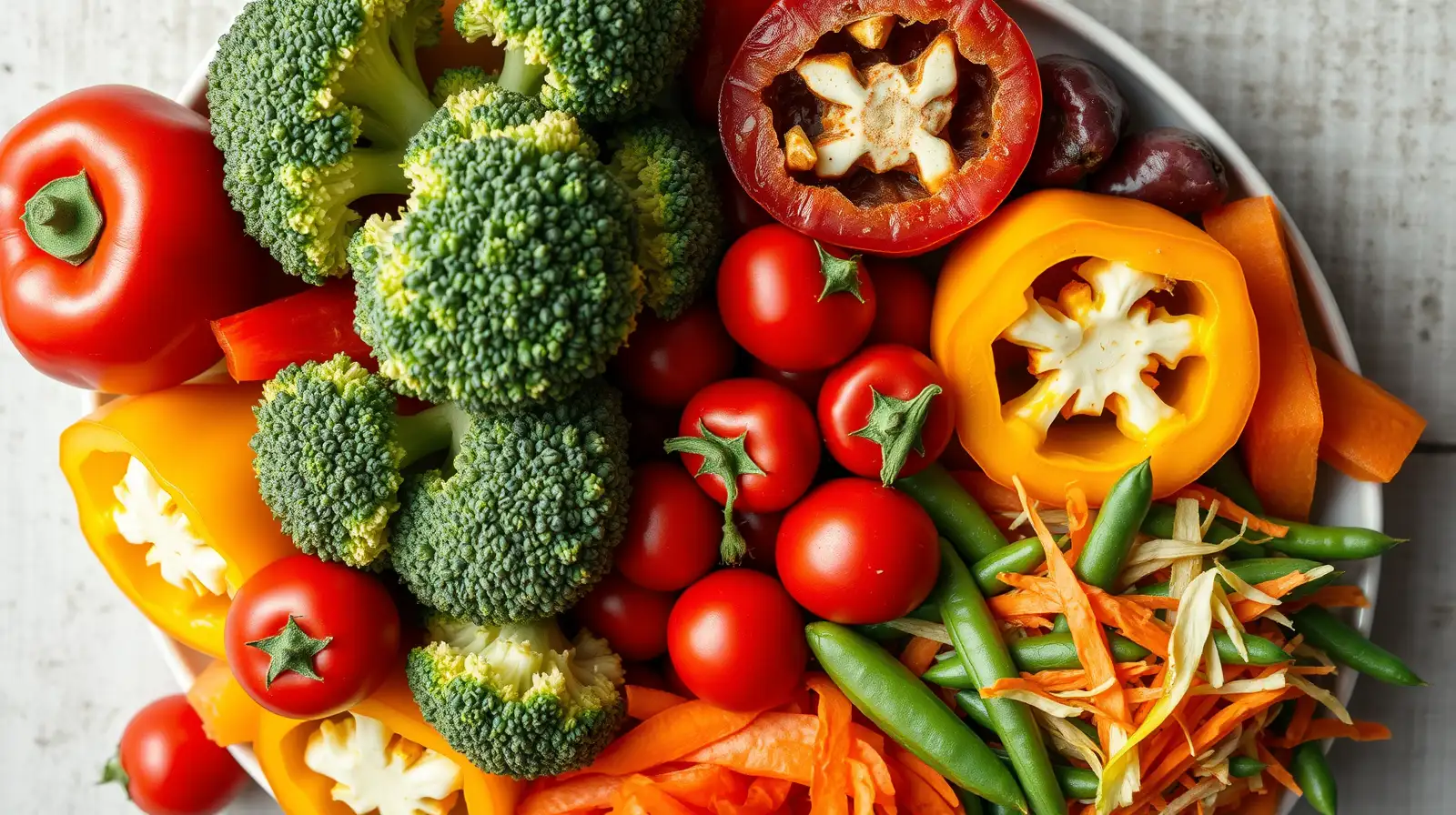
The real advantage is that vegetables bring much more than protein alone. They provide nutrients that support immunity, digestion, heart health and healthy ageing, making them one of the most efficient foods you can include in everyday meals.
Edamame, which are young soybeans, stand out even more. Often served as a snack or added to stir-fries and grain bowls, they provide a substantial amount of complete plant protein alongside iron and folate.
Artichokes may not be a regular feature on every dinner table, but they contain more protein than most people expect. They are also one of the richest vegetable sources of dietary fibre, supporting digestive health.
Brussels sprouts deserve attention as well. Along with a respectable protein content, they provide vitamin K, vitamin C and powerful antioxidants that have been widely studied for their health benefits.
Kale is another nutritious option. Besides protein, it contains calcium, vitamins A and C, and compounds that may help protect cells from oxidative stress.
Even mushrooms, although technically fungi rather than vegetables, offer modest amounts of protein while adding a satisfying texture to many meals. Their naturally savoury flavour makes them a popular meat substitute in vegetarian cooking.
A colourful plate also ensures a wider range of vitamins and minerals, reducing the need to rely on any one ingredient for nutrition.
Vegetables Can Contribute More Than You Think
Protein is found in almost every whole food, including vegetables. Although the amount varies, eating a range of vegetables throughout the day can make a meaningful contribution to your total protein intake.The real advantage is that vegetables bring much more than protein alone. They provide nutrients that support immunity, digestion, heart health and healthy ageing, making them one of the most efficient foods you can include in everyday meals.
The Surprising Protein Champions
Green peas are among the highest-protein vegetables available. A serving contains significantly more protein than many leafy greens while also supplying fibre and vitamin C. They work well in soups, curries, salads and rice dishes.Edamame, which are young soybeans, stand out even more. Often served as a snack or added to stir-fries and grain bowls, they provide a substantial amount of complete plant protein alongside iron and folate.
You may also like
- This 500-year-old Spanish olive tree survived centuries of wars, droughts and changing empires, only to be lifted by cranes after a storm felled a homeowner's pine tree and replanted as the centrepiece of a private mountain chalet's garden
- Nuchal Translucency (NT) Scan: What It Is and How It Screens for Chromosomal Conditions
- Garden experts say one simple landscaping swap could help keep ticks away all summer: And many homeowners already use it without knowing why
- Oxytocin Health Risks: 2700 vials of substandard oxytocin fail at RML. Do you know why this medicine is fatal for you?
- Swara Lodha's Bridal Look Steals the Spotlight: Why Her Ivory-Gold Lehenga Is Winning Hearts
Artichokes may not be a regular feature on every dinner table, but they contain more protein than most people expect. They are also one of the richest vegetable sources of dietary fibre, supporting digestive health.
Brussels sprouts deserve attention as well. Along with a respectable protein content, they provide vitamin K, vitamin C and powerful antioxidants that have been widely studied for their health benefits.
Leafy Greens With Hidden Benefits
Spinach is often associated with iron, but it also contributes a useful amount of protein. It can easily be added to smoothies, curries, omelettes or pasta dishes without changing the flavour dramatically.Kale is another nutritious option. Besides protein, it contains calcium, vitamins A and C, and compounds that may help protect cells from oxidative stress.
Even mushrooms, although technically fungi rather than vegetables, offer modest amounts of protein while adding a satisfying texture to many meals. Their naturally savoury flavour makes them a popular meat substitute in vegetarian cooking.
Why Variety Matters More Than One Superfood
No single vegetable can provide all the protein your body needs, but combining several throughout the day can increase your intake naturally. Pairing vegetables with beans, lentils, whole grains, nuts or seeds creates balanced meals that are both filling and nutrient-rich.A colourful plate also ensures a wider range of vitamins and minerals, reducing the need to rely on any one ingredient for nutrition.






Loving Newspoint? Download the app now
