
Why a Matka Keeps Water Cool Without Electricity

Before refrigerators became a fixture in Indian homes, the matka sat in the corner of every kitchen, doing its job without a switch or a wire. It is easy to dismiss it as nostalgia, but the matka is a piece of applied physics that most modern cooling systems cannot match for simplicity.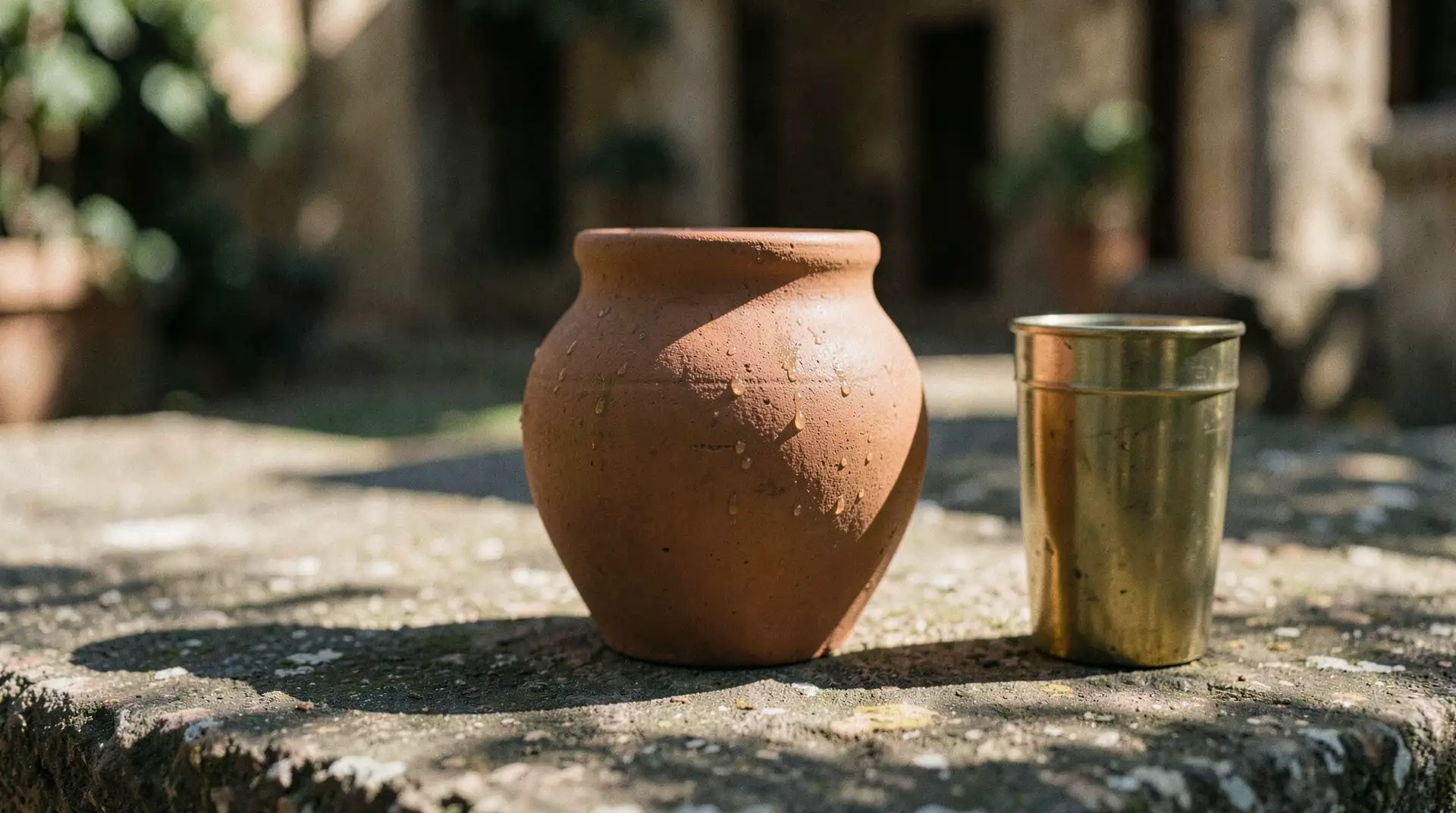
Evaporation is not just water disappearing. It is a process that pulls heat out of whatever surface the water is leaving. Each molecule that escapes into the air carries thermal energy with it, drawing that energy from the water still inside the pot. The result is that the water remaining inside grows cooler, sometimes reaching temperatures eight to ten degrees below the surrounding air, depending on how dry the air is.
This is the same principle behind sweating. Your body pushes moisture to the skin's surface, it evaporates, and you feel cooler. The matka does the same thing for the water it holds.
This is also why placing a matka in a shaded, breezy spot matters. Moving air carries away the humid layer that builds up around the pot's surface, allowing fresh dry air to take its place and keep evaporation going. A matka sitting in direct sun or in a closed, still room will not cool as effectively, because one factor is adding heat while the other slows the evaporation.
The thickness of the walls also plays a role. A thinner wall allows water to migrate to the surface faster, but a wall too thin will crack under its own weight when wet. Traditional potters arrived at the right balance over generations of making and using these vessels, which is why the proportions of a good matka have changed very little.
The mineral composition of the clay contributes too. Certain clays from particular river beds are more porous than others, which is why potters from specific regions, parts of Uttar Pradesh, Rajasthan, and Gujarat, have long been known for matkas that cool especially well. The local clay is not interchangeable with any clay.
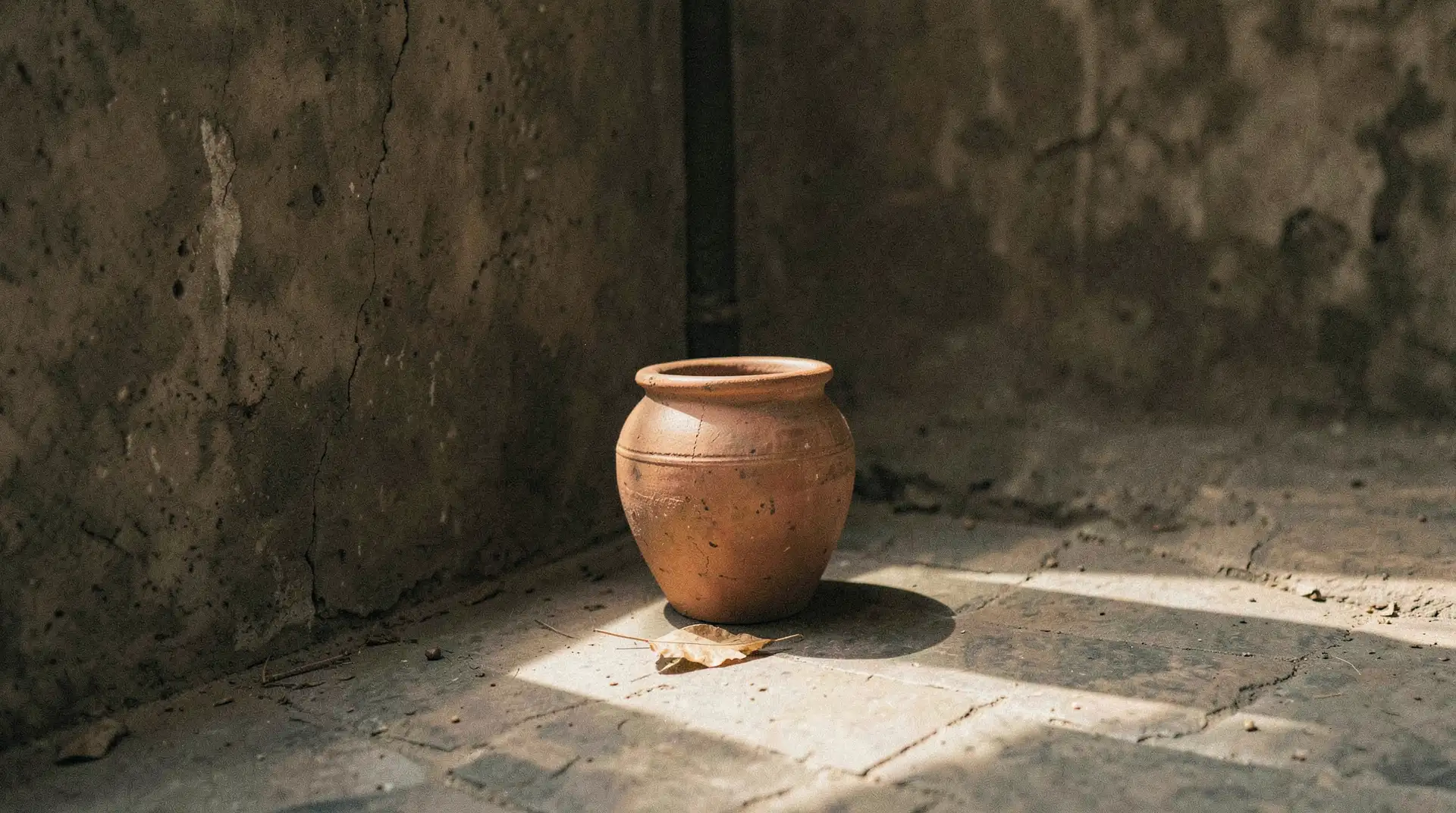
What the matka does differently is keep water at a temperature that is cool but not cold, closer to what many people find easier to drink, particularly in intense heat when very cold water can cause discomfort. The clay also imparts a faint mineral quality that refrigerated water in plastic or steel does not carry, which is part of why people who grew up with matka water often describe the taste as distinct.
The matka also requires no energy beyond the physics of evaporation, produces no emissions, and at the end of its life returns to the earth it came from.
The matka is not a primitive version of the refrigerator. It is a different solution to the same problem, one that works with air and water and porous clay rather than against them. The physics it uses are the same physics the body uses to stay cool, which may be why, on a genuinely hot day, the water it holds feels exactly right.
The Mechanism: Evaporation Does the Work
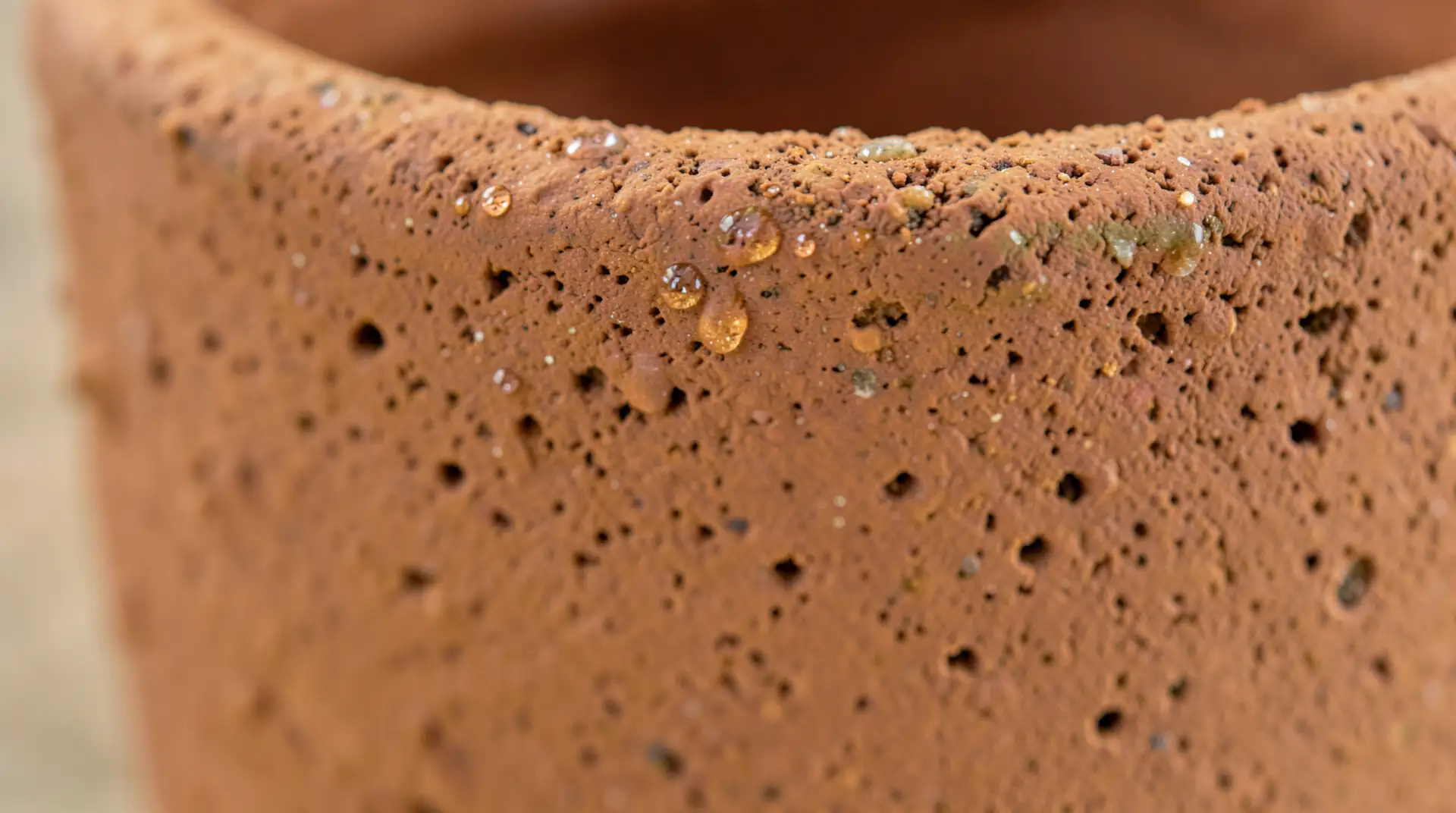
Clay is porous. An unglazed matka has thousands of tiny pores running through its walls, invisible to the eye but large enough for water molecules to seep through slowly. As this thin film of water reaches the outer surface of the pot, it meets the open air and evaporates.Evaporation is not just water disappearing. It is a process that pulls heat out of whatever surface the water is leaving. Each molecule that escapes into the air carries thermal energy with it, drawing that energy from the water still inside the pot. The result is that the water remaining inside grows cooler, sometimes reaching temperatures eight to ten degrees below the surrounding air, depending on how dry the air is.
This is the same principle behind sweating. Your body pushes moisture to the skin's surface, it evaporates, and you feel cooler. The matka does the same thing for the water it holds.
Why Dry Air Makes It Work Better
Evaporation depends on how much moisture the surrounding air can still absorb. On a dry summer afternoon in Rajasthan, where the air is parched, the matka performs at its best, water evaporates fast from the outer surface, and the cooling effect is strong. In the humid months along the coast, where the air is already close to saturated, evaporation slows and the matka's cooling is gentler.You may also like
- Fifteen years together: Natasha Gambhir on love, growth and a lasting partnership
- What happens when you boil rosemary and cloves at home
- Meet Janmoni Konwar, the 17-year-old girl whose home was washed away in the Assam floods; all sources of income, including fishing and ducks, were lost; then a popular teacher stepped in to help, today she has won gold at the national karate championship
- The intimacy myths that many Indian couples still struggle with
- Confused by Skincare Labels? Here's How to Read Them Easily
This is also why placing a matka in a shaded, breezy spot matters. Moving air carries away the humid layer that builds up around the pot's surface, allowing fresh dry air to take its place and keep evaporation going. A matka sitting in direct sun or in a closed, still room will not cool as effectively, because one factor is adding heat while the other slows the evaporation.
Why the Clay Itself Matters
Not all clay pots cool equally. The matka used for drinking water is made from a specific type of unglazed terracotta, fired at a temperature low enough to preserve the pore structure. A glazed ceramic pot, the kind used for cooking or storage, has its pores sealed by the glaze. Water cannot seep through, so no evaporation happens on the outside, and the cooling effect disappears entirely.The thickness of the walls also plays a role. A thinner wall allows water to migrate to the surface faster, but a wall too thin will crack under its own weight when wet. Traditional potters arrived at the right balance over generations of making and using these vessels, which is why the proportions of a good matka have changed very little.
The mineral composition of the clay contributes too. Certain clays from particular river beds are more porous than others, which is why potters from specific regions, parts of Uttar Pradesh, Rajasthan, and Gujarat, have long been known for matkas that cool especially well. The local clay is not interchangeable with any clay.
What a Refrigerator Does Differently
A refrigerator removes heat mechanically, using a compressor and a refrigerant that cycles between liquid and gas states inside sealed coils. It can bring water down to near freezing and hold it there regardless of the outside air. The matka cannot compete with that range.What the matka does differently is keep water at a temperature that is cool but not cold, closer to what many people find easier to drink, particularly in intense heat when very cold water can cause discomfort. The clay also imparts a faint mineral quality that refrigerated water in plastic or steel does not carry, which is part of why people who grew up with matka water often describe the taste as distinct.
The matka also requires no energy beyond the physics of evaporation, produces no emissions, and at the end of its life returns to the earth it came from.
The matka is not a primitive version of the refrigerator. It is a different solution to the same problem, one that works with air and water and porous clay rather than against them. The physics it uses are the same physics the body uses to stay cool, which may be why, on a genuinely hot day, the water it holds feels exactly right.






Loving Newspoint? Download the app now
