
Indian Summer Hacks: Lesser-Known Superfoods That Help You Survive the Heat

When temperatures rise across India, most people instinctively reach for cold drinks and packaged beverages. Yet long before modern food industries existed, Indian communities relied on simple, seasonal superfoods to stay hydrated and healthy in extreme heat. These foods were not just chosen for taste but for their ability to cool the body, support digestion and replenish lost minerals. Many of these Indian summer hacks have quietly faded from urban diets, replaced by convenience foods. However, nutrition experts and traditional health systems continue to highlight their importance, especially as heatwaves become more intense and frequent.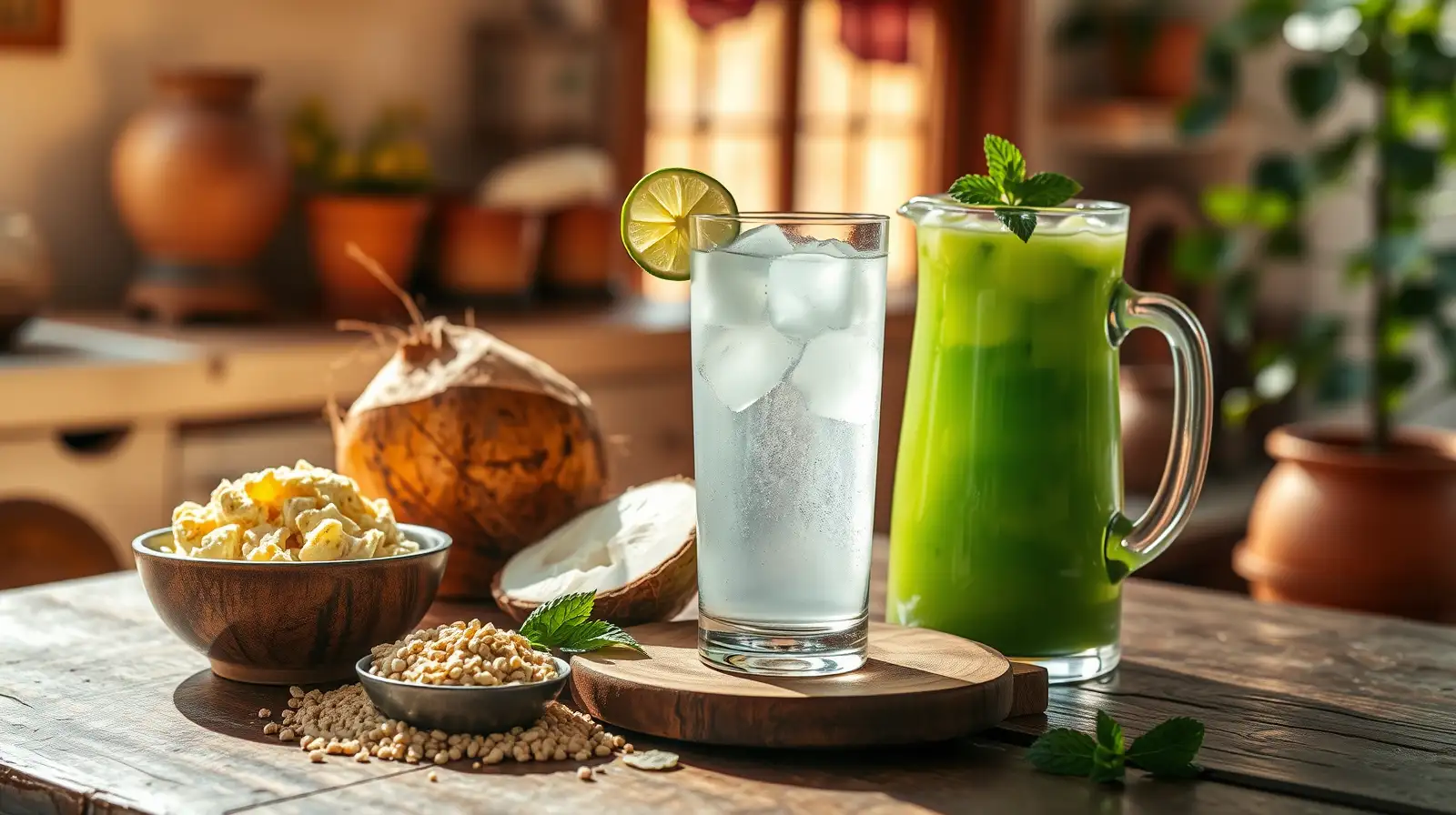
When mixed with water, lemon and a pinch of salt, sattu becomes a refreshing drink that helps restore energy and prevent dehydration. It is rich in protein and fibre, making it a complete food in itself.
Historically, sattu was valued for its portability and long shelf life, which made it ideal for long journeys in hot weather.
Packed with potassium and essential minerals, coconut water helps maintain electrolyte balance during heavy sweating. Unlike sugary beverages, it provides hydration without artificial additives.
Coastal communities have traditionally relied on coconut-based diets, which naturally suit hot and humid climates.
This drink is not only refreshing but also helps prevent heatstroke, according to traditional Indian medicine practices. Raw mangoes are rich in vitamin C and help maintain sodium balance in the body.
In many households, aam panna is still prepared at the beginning of summer as a preventive health measure.
The probiotics present in curd support gut health, which can often be affected by heat-related stress and dietary changes during summer.
Adding spices like cumin and coriander enhances both flavour and digestive benefits.
Watermelon, in particular, is widely consumed during Indian summers because it helps replenish fluids quickly. Muskmelon offers similar benefits and is often recommended for maintaining energy levels in hot weather.
These fruits grow naturally during summer, aligning perfectly with seasonal dietary patterns.
These Indian summer superfoods offer affordable, accessible and sustainable nutrition without relying on artificial ingredients.
Sattu: The Rural Energy Drink with Modern Relevance
Sattu, made from roasted gram flour, is one of the most powerful yet underrated Indian summer superfoods . Traditionally consumed in parts of Bihar, Uttar Pradesh and Jharkhand, it has long been a staple for farmers and travellers.When mixed with water, lemon and a pinch of salt, sattu becomes a refreshing drink that helps restore energy and prevent dehydration. It is rich in protein and fibre, making it a complete food in itself.
Historically, sattu was valued for its portability and long shelf life, which made it ideal for long journeys in hot weather.
Coconut Water: Nature’s Perfect Electrolyte Drink
Coconut water is one of the most widely recognised natural hydration sources in India. Found abundantly in coastal regions, it has been consumed for centuries as a cooling and restorative drink.Packed with potassium and essential minerals, coconut water helps maintain electrolyte balance during heavy sweating. Unlike sugary beverages, it provides hydration without artificial additives.
Coastal communities have traditionally relied on coconut-based diets, which naturally suit hot and humid climates.
Aam Panna: Raw Mango Magic for Summer Relief
One of the most iconic Indian summer drinks is aam panna, made from raw mangoes blended with spices such as cumin, black salt and mint.This drink is not only refreshing but also helps prevent heatstroke, according to traditional Indian medicine practices. Raw mangoes are rich in vitamin C and help maintain sodium balance in the body.
You may also like
- Osteoporosis in Men: From back pain to minor injuries, this dangerous disease is silently eroding men's bones.
- Health Risks Of Reheated Oil: For how many days can the oil left in the pan be used, and when does it become poisonous?
- Healthy Foods Harmful At Night: This thing is nectar in the morning and poison at night, eating it causes these harms – know here
- Vitamin D Deficiency May Impact More Than Your Bones—Here's What It Could Mean for Your Heart
- Inside Death Valley: Why do people voluntarily travel to the hottest place on Earth?
In many households, aam panna is still prepared at the beginning of summer as a preventive health measure.
Curd and Buttermilk: Everyday Cooling Essentials
Curd-based foods remain central to Indian summer diets. Buttermilk, known as chaas, is commonly consumed after meals to aid digestion and cool the body.The probiotics present in curd support gut health, which can often be affected by heat-related stress and dietary changes during summer.
Adding spices like cumin and coriander enhances both flavour and digestive benefits.
Watermelon and Muskmelon: Hydration from Nature
Seasonal fruits such as watermelon and muskmelon are natural hydration sources, containing high water content and essential vitamins.Watermelon, in particular, is widely consumed during Indian summers because it helps replenish fluids quickly. Muskmelon offers similar benefits and is often recommended for maintaining energy levels in hot weather.
These fruits grow naturally during summer, aligning perfectly with seasonal dietary patterns.
Why These Foods Matter in Modern Times
As lifestyles become more fast-paced and reliant on processed foods, traditional summer diets are slowly disappearing. However, rising heat levels and increasing health concerns are bringing attention back to natural, seasonal eating.These Indian summer superfoods offer affordable, accessible and sustainable nutrition without relying on artificial ingredients.






More from our partners


Loving Newspoint? Download the app now
