
Meet the Animals That Grow Food Just Like Humans

Farming is often considered one of humanity's greatest achievements. Growing food, protecting crops and harvesting them at the right time transformed civilisation. Surprisingly, humans are not the only creatures to practise agriculture. Long before people planted their first fields, several animal species had already developed their own farming techniques. Some cultivate fungi as a food source, others protect tiny insects that produce sweet honeydew, while a few even maintain underwater gardens. These behaviours are not random acts of nature but carefully evolved survival strategies that have developed over millions of years. They reveal an extraordinary level of organisation, cooperation and intelligence in the animal kingdom.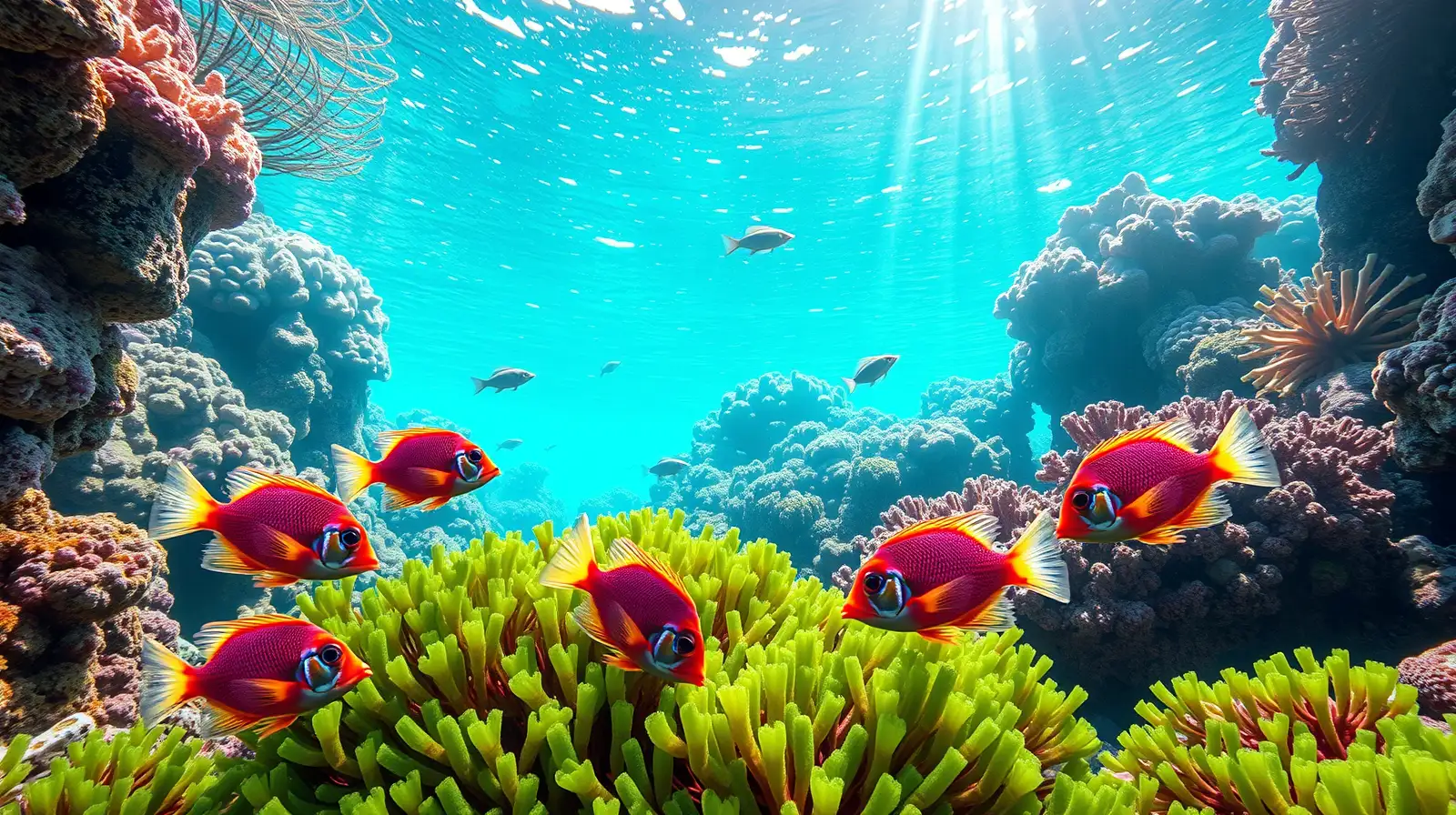
Scientists have identified several examples across insects, fish and marine invertebrates. Although their methods differ from human agriculture, the underlying principle is remarkably similar: invest effort today for a reliable food supply tomorrow.
These behaviours demonstrate that agriculture evolved independently in nature long before humans appeared.
The fungus breaks down the plant material and produces nutrient-rich structures that become the ants' primary food source. Entire colonies work together to maintain the fungal gardens by removing harmful mould, controlling temperature and humidity, and protecting the crop from disease.
Scientists estimate that leafcutter ants have been practising this form of agriculture for more than 50 million years.
To ensure a steady supply, ants defend aphids from predators, move them to healthy plants and even carry their eggs into underground nests during winter before returning them in spring.
This close relationship resembles livestock farming, with ants effectively managing another species for a dependable food source.
These fish chase away competing herbivores, remove unwanted algae species and carefully maintain their preferred crop. By protecting these algae farms, they guarantee a consistent source of food throughout the year.
Some marine biologists consider damselfish among the few vertebrates, apart from humans, known to deliberately manage food production.
These natural farming systems are often highly efficient, producing minimal waste while maintaining healthy ecosystems over millions of years.
Understanding how these species balance resources could even help improve modern agricultural practices in an increasingly resource-conscious world.
Animals That Farm Other Species
Farming Exists Far Beyond Human Civilisation
Animal farming involves deliberately cultivating, protecting or managing another species to obtain food or another valuable resource. Unlike simple hunting or gathering, farming requires ongoing care and often benefits both species involved.Scientists have identified several examples across insects, fish and marine invertebrates. Although their methods differ from human agriculture, the underlying principle is remarkably similar: invest effort today for a reliable food supply tomorrow.
These behaviours demonstrate that agriculture evolved independently in nature long before humans appeared.
Leafcutter Ants Are Nature's Master Farmers
Leafcutter ants provide one of the best-known examples of animal farming. Rather than eating the leaves they collect, these ants carry them back to their underground nests to feed a specialised fungus.The fungus breaks down the plant material and produces nutrient-rich structures that become the ants' primary food source. Entire colonies work together to maintain the fungal gardens by removing harmful mould, controlling temperature and humidity, and protecting the crop from disease.
Scientists estimate that leafcutter ants have been practising this form of agriculture for more than 50 million years.
Ants That Raise Tiny Insect Livestock
Some ant species also farm aphids, tiny insects that feed on plant sap. Aphids produce a sugary liquid called honeydew, which ants eagerly consume.To ensure a steady supply, ants defend aphids from predators, move them to healthy plants and even carry their eggs into underground nests during winter before returning them in spring.
You may also like
- Make rose water at home for glowing skin, the process is very easy
- EPFO credits PF interest to 34 crore accounts; have you received yours? Here's how to check...
- Gold has become cheaper by ₹2,200 and silver by over ₹4,900; find out from experts if prices will fall further..
- Special Trains: Special trains announced for Shravani Mela; find out the routes..
- “On the exam day, luck was also on my side”: NEET AIR 1 Aryan Gupta reveals the habits, family support and the luck factor behind his success
This close relationship resembles livestock farming, with ants effectively managing another species for a dependable food source.
Unexpected Farmers Beneath the Sea
Agriculture is not limited to life on land. Damselfish living on coral reefs actively cultivate patches of algae that serve as underwater gardens.These fish chase away competing herbivores, remove unwanted algae species and carefully maintain their preferred crop. By protecting these algae farms, they guarantee a consistent source of food throughout the year.
Some marine biologists consider damselfish among the few vertebrates, apart from humans, known to deliberately manage food production.
Why Animal Farming Matters Today
Studying these remarkable farming behaviours helps scientists better understand the evolution of cooperation, intelligence and complex societies. Leafcutter ants, for example, have inspired research into sustainable agriculture , disease control and waste management.These natural farming systems are often highly efficient, producing minimal waste while maintaining healthy ecosystems over millions of years.
Understanding how these species balance resources could even help improve modern agricultural practices in an increasingly resource-conscious world.






Loving Newspoint? Download the app now
