
Meet the World's Most Intelligent Parrots and Their Amazing Abilities

Parrots are famous for mimicking human speech , but their intelligence extends far beyond simply repeating words. Some species can solve complex puzzles, recognise colours and shapes, understand simple concepts and even use tools to achieve their goals. Their remarkable cognitive abilities have fascinated scientists for decades, leading to groundbreaking research into animal intelligence and communication. From the highly intelligent African grey parrot to the playful kea of New Zealand, these birds continue to challenge traditional ideas about what animals are capable of learning. Studying the smartest parrots in the world offers a fascinating glimpse into minds that are far more sophisticated than many people realise.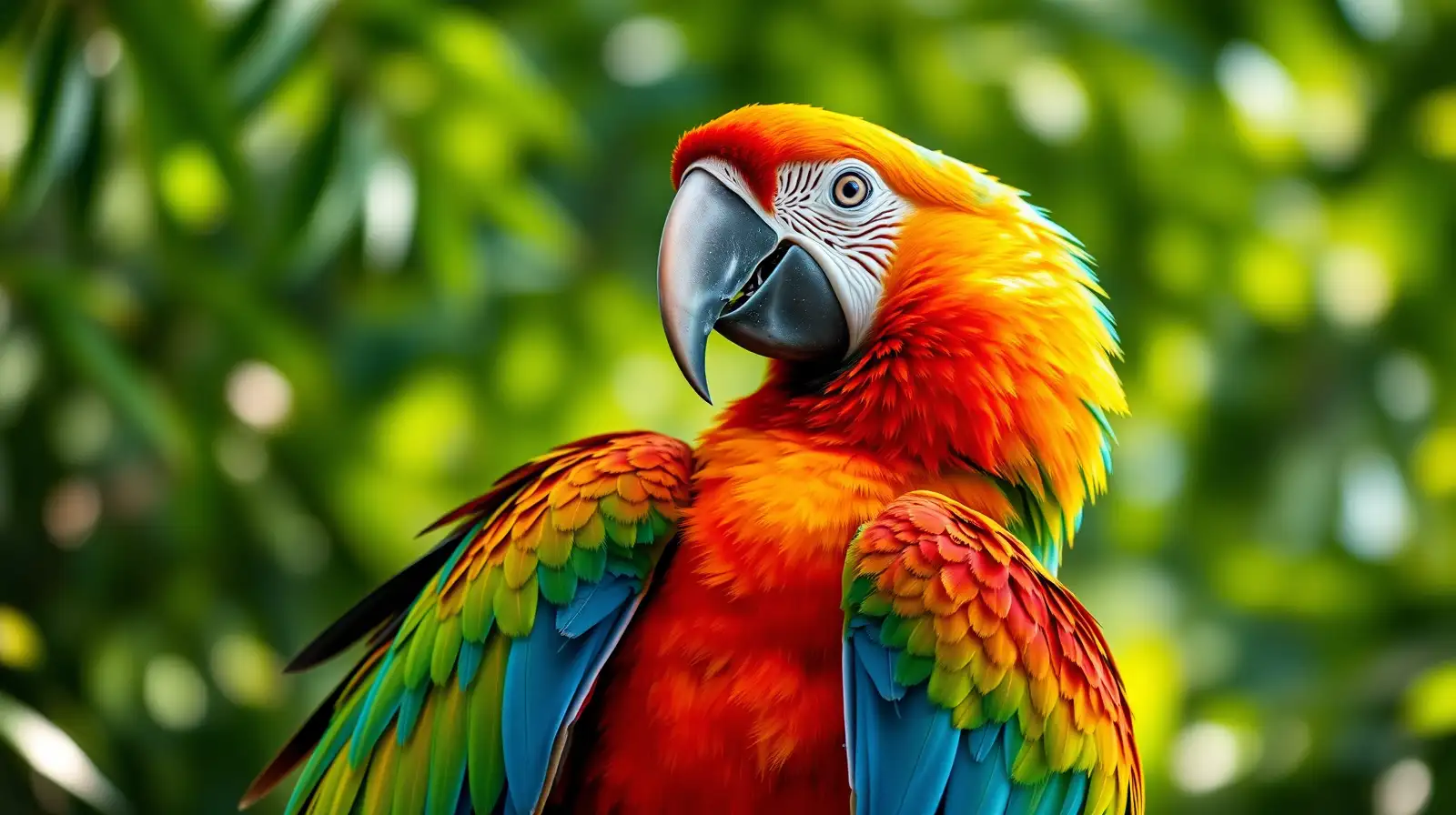
One of the most famous birds was Alex, an African grey studied by animal psychologist Dr Irene Pepperberg for more than 30 years. Alex learned to identify colours, shapes, numbers and materials. He could answer simple questions, distinguish between objects and even demonstrate an understanding of concepts such as "same" and "different".
His achievements transformed scientific understanding of bird intelligence and showed that parrots are capable of far more than simple imitation.
Researchers have observed keas solving multi-step puzzles, cooperating with one another and experimenting with unfamiliar objects to discover new food sources. Their intelligence rivals that of some primates in certain problem-solving tasks.
This curiosity also explains why keas often investigate backpacks, vehicles and camping equipment, sometimes leaving visitors amused by their mischievous behaviour.
Goffin's cockatoos have been seen shaping wooden sticks and cardboard into tools that help retrieve food from difficult places. They also learn by observing one another, allowing new behaviours to spread through groups.
Scientists believe these abilities reflect advanced planning and flexible thinking rather than simple instinct.
Their creativity continues to surprise researchers studying animal cognition .
Some macaws can learn dozens of vocalisations and associate particular sounds with specific people or situations. Their ability to remember routines also helps them adapt successfully to changing environments.
These mental skills play a crucial role in survival within tropical ecosystems.
Many species adjust their diets when seasonal food becomes scarce, develop new foraging techniques and recognise potential dangers by observing others. Some even learn to avoid traps or unfamiliar predators after a single experience.
Their flexible thinking allows them to survive in habitats that change from year to year.
Some parrots also display emotional awareness, comforting distressed companions or strengthening social bonds through cooperative grooming.
Scientists continue to discover new examples of memory, reasoning and communication that challenge long-held assumptions about bird brains.
Unfortunately, many parrot species face threats from deforestation, illegal wildlife trade and climate change. Conservation programmes increasingly focus on preserving not only populations but also the social structures that support natural learning and behaviour.
Research into parrots has also influenced fields such as artificial intelligence, neuroscience and animal welfare.
African Grey Parrots Lead the Pack
Widely regarded as the most intelligent parrot species, the African grey parrot has become the focus of numerous scientific studies.One of the most famous birds was Alex, an African grey studied by animal psychologist Dr Irene Pepperberg for more than 30 years. Alex learned to identify colours, shapes, numbers and materials. He could answer simple questions, distinguish between objects and even demonstrate an understanding of concepts such as "same" and "different".
His achievements transformed scientific understanding of bird intelligence and showed that parrots are capable of far more than simple imitation.
Keas Are Nature's Curious Problem Solvers
Native to New Zealand's Southern Alps, the kea is renowned for its curiosity and playful behaviour.Researchers have observed keas solving multi-step puzzles, cooperating with one another and experimenting with unfamiliar objects to discover new food sources. Their intelligence rivals that of some primates in certain problem-solving tasks.
This curiosity also explains why keas often investigate backpacks, vehicles and camping equipment, sometimes leaving visitors amused by their mischievous behaviour.
Cockatoos Can Use Tools
Tool use was once thought to be unique to humans, but several cockatoo species have demonstrated remarkable creativity.Goffin's cockatoos have been seen shaping wooden sticks and cardboard into tools that help retrieve food from difficult places. They also learn by observing one another, allowing new behaviours to spread through groups.
Scientists believe these abilities reflect advanced planning and flexible thinking rather than simple instinct.
Their creativity continues to surprise researchers studying animal cognition .
Macaws Have Exceptional Memories
Macaws combine strong memories with impressive social intelligence. Living in complex flocks requires recognising individual birds, maintaining long-term relationships and remembering the locations of food sources spread across vast forests.Some macaws can learn dozens of vocalisations and associate particular sounds with specific people or situations. Their ability to remember routines also helps them adapt successfully to changing environments.
These mental skills play a crucial role in survival within tropical ecosystems.
You may also like
- Kate Middleton brings back the timeless gingham dress and it's the easiest summer trend to copy
- Rare monsoon twist: Goa and parts of the Western Ghats see lighter rain as East India gets drenched, what travellers need to know
- Quote of the day by Michelangelo: “The sculpture is already complete within the marble block before I start my work. It is already there; I just have to chisel away the superfluous material”
- 7 Home Remedies That May Fade Dark Circles Naturally
- Why Am I So Thirsty While Breastfeeding?
Intelligence Supports Survival
Parrot intelligence is not simply entertaining. It helps birds solve real-world problems every day.Many species adjust their diets when seasonal food becomes scarce, develop new foraging techniques and recognise potential dangers by observing others. Some even learn to avoid traps or unfamiliar predators after a single experience.
Their flexible thinking allows them to survive in habitats that change from year to year.
Lesser-Known Facts About Smart Parrots
Recent research has shown that certain parrots can delay gratification by waiting for a better reward instead of accepting an immediate but less valuable one. This behaviour was once considered a hallmark of advanced intelligence.Some parrots also display emotional awareness, comforting distressed companions or strengthening social bonds through cooperative grooming.
Scientists continue to discover new examples of memory, reasoning and communication that challenge long-held assumptions about bird brains.
Why Parrot Intelligence Matters Today
Understanding parrot intelligence has important implications for both science and conservation. Highly intelligent birds require mental stimulation and complex environments to thrive, making habitat protection especially important.Unfortunately, many parrot species face threats from deforestation, illegal wildlife trade and climate change. Conservation programmes increasingly focus on preserving not only populations but also the social structures that support natural learning and behaviour.
Research into parrots has also influenced fields such as artificial intelligence, neuroscience and animal welfare.






Loving Newspoint? Download the app now
