
Best Indoor Plants That Naturally Help Purify Indoor Air and Improve Your Home

A house filled with greenery often feels calmer, fresher and more welcoming, but indoor plants may offer benefits that go beyond their appearance. Over the years, scientists have explored how certain plants interact with the air around them, leading to growing interest in air-purifying plants . While no single plant can replace proper ventilation or an air purifier, many popular houseplants contribute to a healthier indoor environment by trapping dust, increasing humidity and helping remove small amounts of airborne pollutants. As more people spend long hours indoors, adding carefully chosen plants has become an easy and enjoyable way to create a cleaner, more comfortable living space.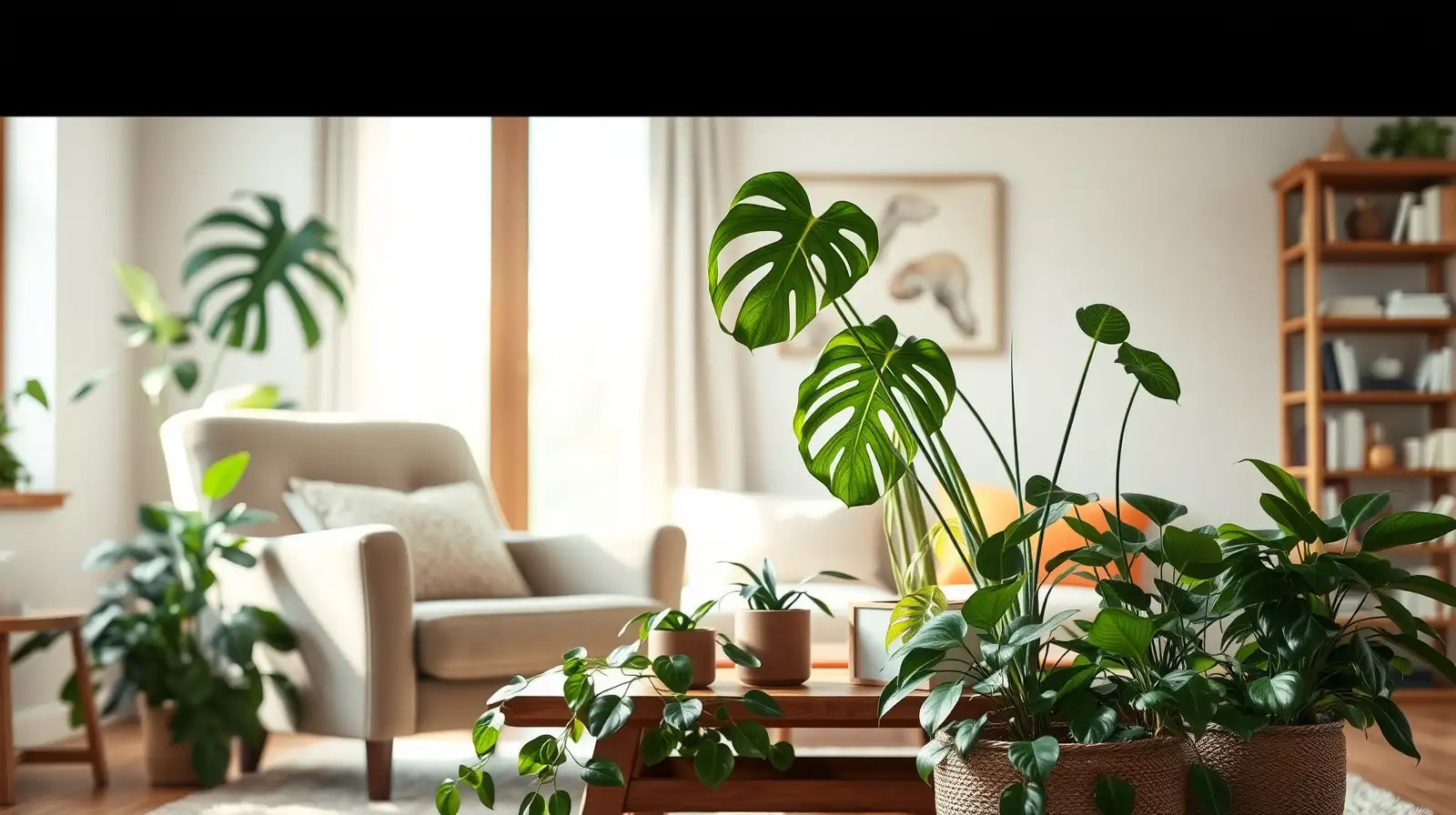
Research has shown that plants absorb carbon dioxide during photosynthesis while releasing oxygen. Their leaves also collect dust particles, which can then be wiped away during regular cleaning. At the same time, the microorganisms living in the soil around plant roots may help break down certain airborne compounds, although this process occurs on a relatively small scale in everyday household conditions.
Rather than acting as powerful air filters, these plants work alongside good ventilation to make indoor spaces feel fresher and more pleasant.
Higher humidity may help reduce dry skin, irritated eyes and scratchy throats while making indoor environments feel more comfortable. This small but valuable effect is one reason offices, hotels and healthcare facilities increasingly include greenery in their interior designs.
Beyond physical comfort, caring for plants encourages people to slow down, establish routines and spend a little time away from digital screens. Even watering a favourite plant can become a relaxing daily habit.
Snake Plants thrive in lower light and require very little watering, making them ideal for beginners. Spider Plants adapt well to different environments and produce attractive offshoots that can be replanted. Peace Lilies enjoy indirect light and reward owners with elegant white flowers, while Areca Palms add height and a tropical feel to larger rooms.
Selecting healthy plants and providing proper care will always produce better results than filling a room with neglected greenery.
Studies have also suggested that offices with indoor plants often report greater employee satisfaction and a more pleasant working atmosphere. Although many factors influence productivity, greenery can make indoor spaces feel more inviting and less sterile.
Another overlooked benefit is noise reduction. Groups of leafy plants can help soften echoes by absorbing and scattering sound waves, making busy rooms feel quieter.
While plants should never be viewed as a replacement for proper ventilation, regular cleaning or air filtration systems, they remain a simple, affordable addition that enhances both the appearance and comfort of indoor spaces. They also reconnect people with nature, something that is often missing in urban living.
A few carefully chosen plants may not transform the air overnight, but they can make everyday surroundings feel healthier, calmer and more enjoyable.
Plants That Help Create Fresher Indoor Air
Many indoor plants have earned a reputation for improving air quality. Species such as the Snake Plant, Peace Lily, Spider Plant and Areca Palm are frequently recommended because they are hardy, easy to maintain and well suited to homes and offices.Research has shown that plants absorb carbon dioxide during photosynthesis while releasing oxygen. Their leaves also collect dust particles, which can then be wiped away during regular cleaning. At the same time, the microorganisms living in the soil around plant roots may help break down certain airborne compounds, although this process occurs on a relatively small scale in everyday household conditions.
Rather than acting as powerful air filters, these plants work alongside good ventilation to make indoor spaces feel fresher and more pleasant.
More Than Just Cleaner Air
One of the lesser-known advantages of indoor plants is their ability to increase humidity. Through a natural process called transpiration, plants release moisture into the air, which can be especially beneficial during dry winters or in air-conditioned rooms.Higher humidity may help reduce dry skin, irritated eyes and scratchy throats while making indoor environments feel more comfortable. This small but valuable effect is one reason offices, hotels and healthcare facilities increasingly include greenery in their interior designs.
Beyond physical comfort, caring for plants encourages people to slow down, establish routines and spend a little time away from digital screens. Even watering a favourite plant can become a relaxing daily habit.
Choosing the Right Air-Purifying Plants
Not every home offers the same growing conditions, making it important to choose plants that suit the available light and space.Snake Plants thrive in lower light and require very little watering, making them ideal for beginners. Spider Plants adapt well to different environments and produce attractive offshoots that can be replanted. Peace Lilies enjoy indirect light and reward owners with elegant white flowers, while Areca Palms add height and a tropical feel to larger rooms.
You may also like
- Nita Ambani receives honour in the US for contributions to healthcare, education and social impact
- How Birmingham got its name: The 1,000-year-old story behind England's second city
- 5 Sun-loving houseplants that are perfect for hot summer days
- Our stories belong in school textbooks, not just Pride Month conversations: Manvendra Singh Gohil
- India needs formal LGBTQ+ crisis infrastructure: Ankit Bhuptani
Selecting healthy plants and providing proper care will always produce better results than filling a room with neglected greenery.
Surprising Facts About Indoor Plants
One interesting fact is that some houseplants have travelled thousands of miles before becoming household favourites. The Snake Plant originated in West Africa, while the Spider Plant comes from southern Africa. Today, both are among the world's most commonly grown indoor plants because of their resilience and adaptability.Studies have also suggested that offices with indoor plants often report greater employee satisfaction and a more pleasant working atmosphere. Although many factors influence productivity, greenery can make indoor spaces feel more inviting and less sterile.
Another overlooked benefit is noise reduction. Groups of leafy plants can help soften echoes by absorbing and scattering sound waves, making busy rooms feel quieter.
Why Indoor Greenery Matters Today
Modern lifestyles mean many people spend most of their day inside homes, workplaces or educational buildings. Indoor air quality has therefore become an increasingly important part of overall wellbeing.While plants should never be viewed as a replacement for proper ventilation, regular cleaning or air filtration systems, they remain a simple, affordable addition that enhances both the appearance and comfort of indoor spaces. They also reconnect people with nature, something that is often missing in urban living.
A few carefully chosen plants may not transform the air overnight, but they can make everyday surroundings feel healthier, calmer and more enjoyable.






More from our partners


Loving Newspoint? Download the app now
