
Best Seasonal Fruits to Enjoy Throughout the Year for Freshness and Nutrition

Walk through any supermarket today and you can find strawberries in winter or apples in summer, thanks to global food supply chains. While this year-round availability offers convenience, seasonal fruits still have plenty of advantages. Fruits harvested in their natural growing season are often fresher, more flavourful and packed with nutrients. They also tend to cost less because they are more abundant and require less storage or long-distance transport. Eating with the seasons is not about restricting your choices. Instead, it is an opportunity to enjoy nature's changing harvest while adding more variety, freshness and colour to your everyday diet.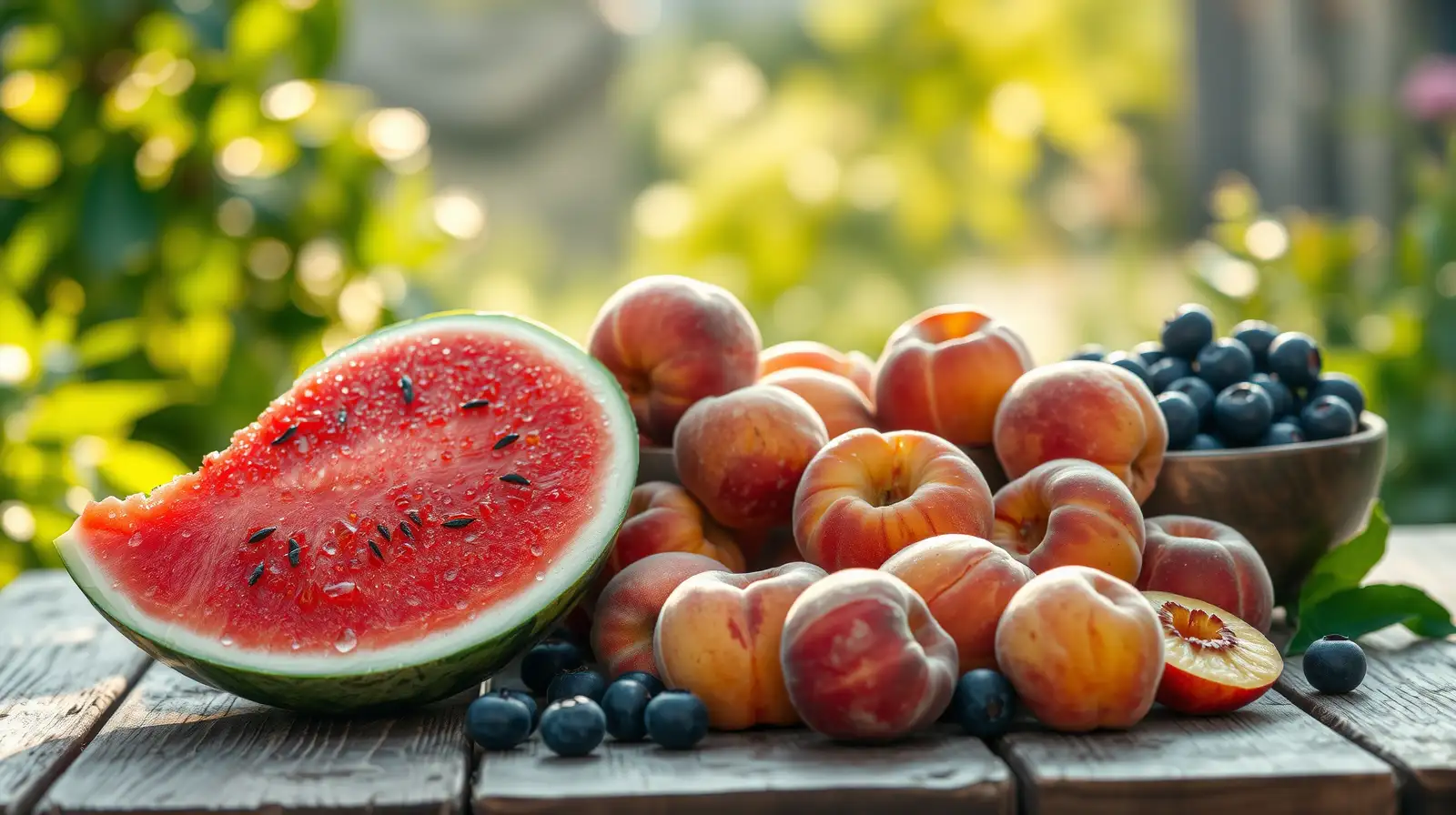
Rhubarb, although commonly treated as a fruit in desserts, is technically a vegetable. Its tart flavour has made it a traditional ingredient in pies, crumbles and jams for centuries.
Many summer fruits contain high amounts of water, making them particularly refreshing in hot weather. Watermelon, for example, is made up of more than 90 per cent water while also providing vitamin C and lycopene.
Historically, communities celebrated summer harvests with fruit festivals, preserving surplus produce through drying, jam-making and bottling long before refrigeration became common.
Pears provide dietary fibre and natural sweetness, while grapes contain antioxidants such as resveratrol, found mainly in their skins. These fruits also store well, making them reliable choices throughout much of autumn.
These fruits are excellent sources of vitamin C, which has long been valued during colder seasons. Pomegranates are another winter favourite, containing colourful seeds rich in antioxidants and adding brightness to seasonal meals.
Rotating fruits throughout the year naturally increases dietary variety, ensuring you benefit from a broader range of vitamins, minerals and beneficial plant compounds.
Spring Brings Fresh and Delicate Flavours
As temperatures begin to rise, spring introduces lighter, refreshing fruits. Strawberries are among the season's most anticipated arrivals, offering vitamin C, fibre and antioxidants. Cherries also begin appearing towards late spring in many regions, bringing natural sweetness and valuable plant compounds.Rhubarb, although commonly treated as a fruit in desserts, is technically a vegetable. Its tart flavour has made it a traditional ingredient in pies, crumbles and jams for centuries.
Summer Offers Nature's Sweetest Harvest
Summer is often considered the richest season for fruit lovers. Watermelons, peaches, nectarines, apricots, raspberries, blueberries and blackberries reach their peak during the warmer months.Many summer fruits contain high amounts of water, making them particularly refreshing in hot weather. Watermelon, for example, is made up of more than 90 per cent water while also providing vitamin C and lycopene.
You may also like
- Parents tie young son to door frame to 'Make Him Taller'; Viral video sparks outrage and debate over harmful parenting myths
- Harnessing Natural Ingredients for Radiant Skin
- DU Admission 2026: DU launches admissions for one-year PG programs for the first time; register by July 11..
- Foods You Should Never Reheat for Better Health
- Optimal Dinner Timing for Weight Loss and Better Health
Historically, communities celebrated summer harvests with fruit festivals, preserving surplus produce through drying, jam-making and bottling long before refrigeration became common.
Autumn Delivers Rich Flavours and Fibre
As the weather cools, apples, pears, figs, grapes and plums take centre stage. Apples remain one of the most versatile seasonal fruits, enjoyed fresh, baked or added to savoury dishes.Pears provide dietary fibre and natural sweetness, while grapes contain antioxidants such as resveratrol, found mainly in their skins. These fruits also store well, making them reliable choices throughout much of autumn.
Winter Has More Variety Than Many Expect
Although winter may seem quieter for fresh produce , several nutritious fruits thrive during the colder months. Oranges, clementines, mandarins, grapefruits and kiwifruit all reach their peak in winter.These fruits are excellent sources of vitamin C, which has long been valued during colder seasons. Pomegranates are another winter favourite, containing colourful seeds rich in antioxidants and adding brightness to seasonal meals.
Why Seasonal Eating Still Matters Today
Choosing seasonal fruits often means supporting local growers while reducing the need for lengthy storage and transportation. Seasonal produce is also more likely to be harvested closer to full ripeness, which contributes to better flavour and texture.Rotating fruits throughout the year naturally increases dietary variety, ensuring you benefit from a broader range of vitamins, minerals and beneficial plant compounds.
Enjoy the Rhythm of Nature's Harvest
The best seasonal fruits for every time of year offer far more than changing flavours. They reflect the natural rhythm of agriculture, providing fresh produce when it is at its peak in taste, quality and nutrition. Whether enjoying juicy berries in summer, crisp apples in autumn or citrus fruits during winter, eating seasonally encourages greater variety and a closer connection to the food on your plate. Sometimes, the simplest way to eat well is to let the seasons decide what is ripe and ready to enjoy.





Loving Newspoint? Download the app now
