
Discover The Best Tea Estates In Assam: 5 Unmissable Destinations

The verdant tea gardens of Assam offer much more than just a beverage experience. With an annual production of nearly 700 million kg of tea, Assam contributes about half of India's total tea output. The tea landscape in Assam has seen remarkable changes, with many small-scale farmers shifting from paddy cultivation to tea farming. This transition has rejuvenated the tea industry, creating job opportunities for unemployed youth who now view tea cultivation as a viable business. Some have even started growing tea in their backyards, while others have launched tea startups, each crafting their own unique tea narratives.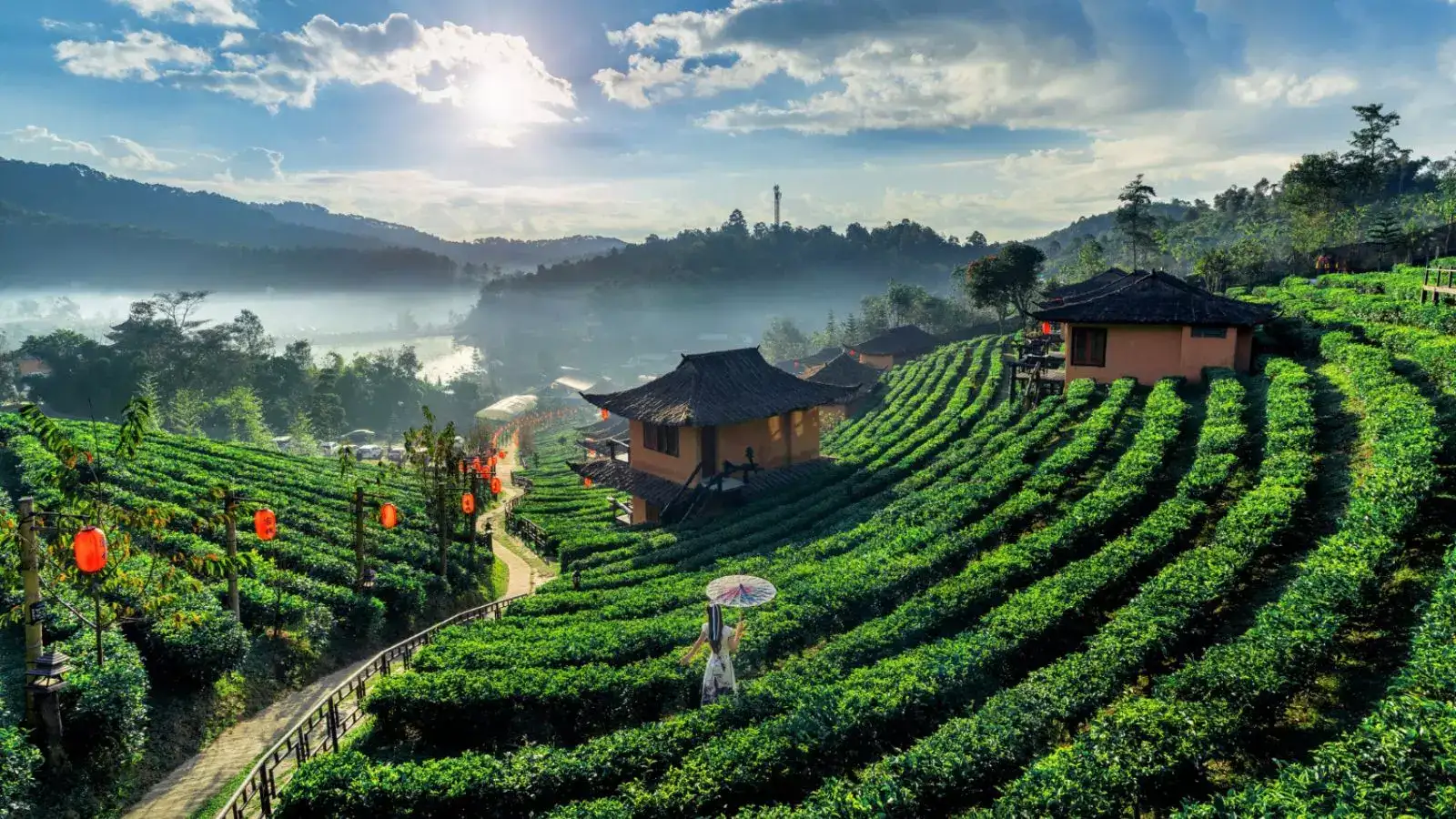
1. Monabarie Tea Estate
Situated in the Biswanath Chariali district, Monabarie Tea Estate has a rich history dating back to 1869. It is operated by McLeod Russel India Limited, which has become the world's largest tea-producing company, managing around 31 tea estates in the region. According to the Government of Assam, Monabarie is recognized as Asia's Largest Tea Estate. The estate is famed for its Reddish Bright color tea, a variety that has significantly contributed to its acclaim and growth.
2. Halmari Tea Estate
Located in the Moran district, Halmari Tea Estate spans 374 hectares of lush greenery. Owned by the distinguished Daga Family, this estate is a symbol of excellence in tea cultivation. It is renowned for its diverse range of tea varieties, making it a prime destination for tea lovers eager to explore Assam's rich tea heritage.
3. Amchong Tea Estate
Amchong Tea Estate is nestled in Panbari Mouza of the Kamrup district and covers an area of 1782 acres. The estate is dedicated to producing high-quality tea leaves, thanks to the hard work of its committed workforce. Loyal customers benefit from exclusive access to freshly harvested tea leaves at fair prices, underscoring the estate’s commitment to quality and customer satisfaction.
4. Assamica Agro Organic Farm
Assamica Agro Organic Farm offers a unique tea-drinking experience with its organically grown, ethically sourced tea leaves. This farm specializes in producing natural tea leaves free from pesticides and chemicals. It stands out among Assam's tea estates for its commitment to health and sustainability, ensuring that each cup of tea is both aromatic and chemical-free. The farm also focuses on improving the livelihoods of local farmers, making it a model for ethical tea production.
5. Sonapur Tea Estate
Beyond the enchanting landscapes of Assam's tea estates, Sonapur Tea Estate serves as a gateway to Guwahati, the heart of the North-East. Established by the British in the early 1920s, this estate has been managed by the Bhaduri Family for three generations. Originally known for Orthodox tea production, the estate has since transitioned to producing high-quality CTC tea, which is celebrated for its robust flavor. Over the years, Sonapur Tea Estate has gained recognition and partnerships with major companies like Tata Tea and Unilever.
Each of these tea estates offers a unique glimpse into Assam's rich tea culture, making them must-visit destinations for tea enthusiasts and travelers alike.
1. Monabarie Tea Estate
Situated in the Biswanath Chariali district, Monabarie Tea Estate has a rich history dating back to 1869. It is operated by McLeod Russel India Limited, which has become the world's largest tea-producing company, managing around 31 tea estates in the region. According to the Government of Assam, Monabarie is recognized as Asia's Largest Tea Estate. The estate is famed for its Reddish Bright color tea, a variety that has significantly contributed to its acclaim and growth.
2. Halmari Tea Estate
Located in the Moran district, Halmari Tea Estate spans 374 hectares of lush greenery. Owned by the distinguished Daga Family, this estate is a symbol of excellence in tea cultivation. It is renowned for its diverse range of tea varieties, making it a prime destination for tea lovers eager to explore Assam's rich tea heritage.
You may also like
- Word of the day: Vituperate
- In 1906, San Francisco lost more than 28,000 buildings to earthquake and fire: How the disaster reshaped the city's architecture and changed how America builds for earthquakes
- Why Your Beard Itches So Much and How You Can Finally Stop It
- 7 Things That Make Your Face Look Puffy Every Morning When You Rise
- The God Who Sleeps—and the Age That Cannot
3. Amchong Tea Estate
Amchong Tea Estate is nestled in Panbari Mouza of the Kamrup district and covers an area of 1782 acres. The estate is dedicated to producing high-quality tea leaves, thanks to the hard work of its committed workforce. Loyal customers benefit from exclusive access to freshly harvested tea leaves at fair prices, underscoring the estate’s commitment to quality and customer satisfaction.
4. Assamica Agro Organic Farm
Assamica Agro Organic Farm offers a unique tea-drinking experience with its organically grown, ethically sourced tea leaves. This farm specializes in producing natural tea leaves free from pesticides and chemicals. It stands out among Assam's tea estates for its commitment to health and sustainability, ensuring that each cup of tea is both aromatic and chemical-free. The farm also focuses on improving the livelihoods of local farmers, making it a model for ethical tea production.
5. Sonapur Tea Estate
Beyond the enchanting landscapes of Assam's tea estates, Sonapur Tea Estate serves as a gateway to Guwahati, the heart of the North-East. Established by the British in the early 1920s, this estate has been managed by the Bhaduri Family for three generations. Originally known for Orthodox tea production, the estate has since transitioned to producing high-quality CTC tea, which is celebrated for its robust flavor. Over the years, Sonapur Tea Estate has gained recognition and partnerships with major companies like Tata Tea and Unilever.
Each of these tea estates offers a unique glimpse into Assam's rich tea culture, making them must-visit destinations for tea enthusiasts and travelers alike.






Loving Newspoint? Download the app now
